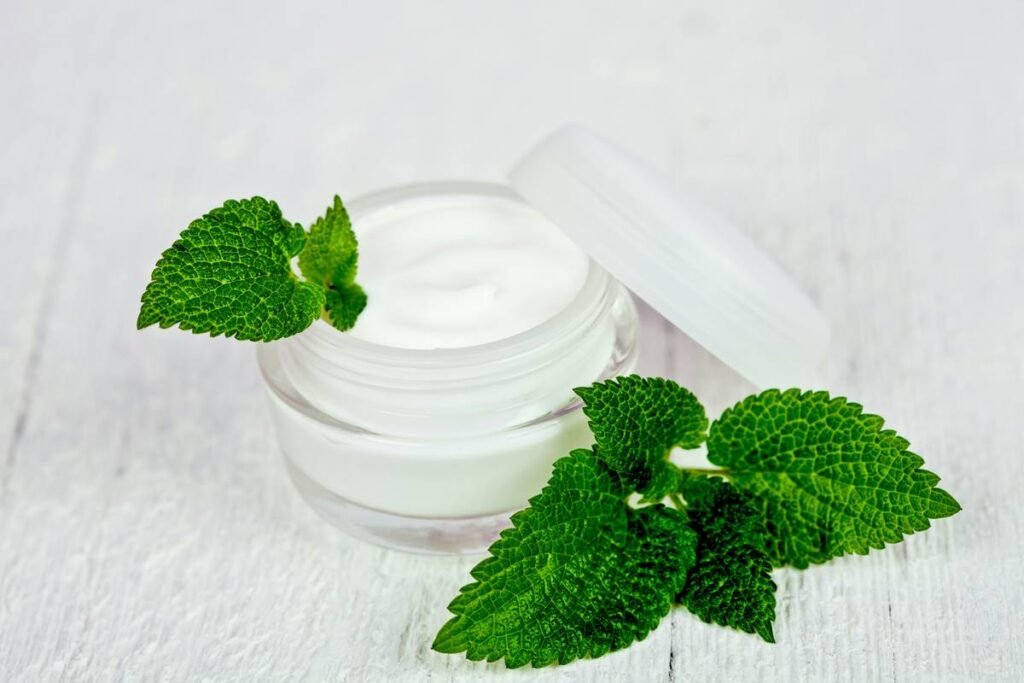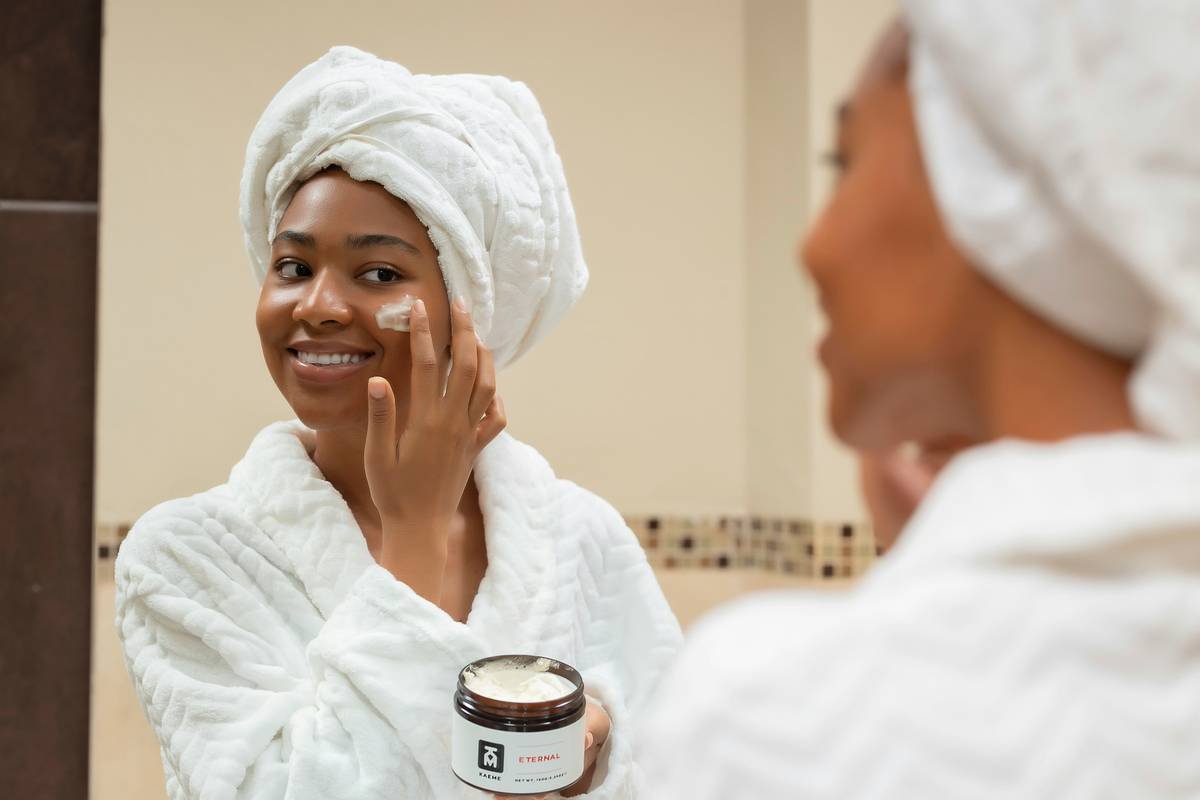
Ever applied foundation only to watch it flake off your cheeks like old paint by 10 a.m.? Or woken up with tight, red patches that even your “hydrating” serum couldn’t soothe? You’re not alone—and you probably skipped the one product dermatologists and makeup artists quietly swear by: a moisturizing balm for face.
In this deep dive, we’ll unpack why facial balms aren’t just glorified Vaseline (spoiler: they’re science-backed skin saviors), how to choose the right one for your skin type and climate, and exactly how to layer it under or over makeup without looking greasy. You’ll learn:
- Why traditional moisturizers sometimes fail—and when a balm wins
- The key ingredients that actually repair your moisture barrier
- Real-world application tricks from runway MUAs and estheticians
- Which balms are worth your money (and which are just fancy petroleum jelly)
Table of Contents
- Why Your Skin Craves a Moisturizing Balm for Face
- How to Choose and Use a Facial Balm: Step-by-Step
- 5 Proven Best Practices for Maximum Hydration
- Real Results from Clinic-Tested Balms
- FAQs About Moisturizing Balm for Face
Key Takeaways
- A moisturizing balm for face seals in hydration and repairs the skin barrier better than many creams—especially in dry, cold, or polluted environments.
- Look for non-comedogenic formulas with ceramides, squalane, or shea butter—not mineral oil as the first ingredient.
- Apply on damp skin, use sparingly, and layer strategically under or over makeup depending on your goal.
- Not all balms are created equal: medical-grade options (like those from CeraVe or La Roche-Posay) outperform luxury “miracle” jars filled with fragrance.
Why Your Skin Craves a Moisturizing Balm for Face
Let’s get real: most “hydrating” moisturizers are water-based. They feel light and absorb fast—but they evaporate just as quickly, especially if your skin barrier is compromised. According to the Journal of Investigative Dermatology, a healthy stratum corneum (your outermost skin layer) requires both humectants (to draw water in) and occlusives (to lock it in). That’s where a moisturizing balm for face shines—it’s packed with occlusive agents that form a protective shield without suffocating pores (if formulated correctly).
I learned this the hard way during a winter shoot in Reykjavik. My usual gel-cream left my models’ cheeks cracked and bleeding under heavy foundation. On set, our lead MUA pulled out a tiny tin of Dr. Jart+ Cicapair Tiger Grass Balm. Within minutes, redness calmed, flakes vanished, and makeup stayed put for 12 hours in -10°C wind. My epiphany? Balms aren’t “heavy”—they’re precise. They target barrier repair where lotions just gloss over symptoms.
How to Choose and Use a Facial Balm: Step-by-Step
What ingredients should I look for in a moisturizing balm for face?
Optimist You: “Prioritize ceramides, squalane, shea butter, or jojoba oil—they mimic your skin’s natural lipids!”
Grumpy You: “Ugh, fine—but only if it’s fragrance-free. My skin screams at anything labeled ‘coconut dream.’”
Avoid balms where mineral oil or petrolatum is listed first unless you have extremely dry, non-acne-prone skin. These can clog pores for many. Instead, seek “non-comedogenic” labels and dermatologist-tested formulas. The American Academy of Dermatology recommends ceramide-rich balms for conditions like eczema or post-retinoid irritation (AAD, 2023).
How much should I use?
Less is more. A pea-sized amount warms between fingertips and covers the entire face. Over-application = greasy shine and pilling under makeup.
When do I apply it?
- On damp skin: After cleansing or misting, while skin is still slightly wet. This traps existing moisture.
- As a final step: In your nighttime routine, after serums and treatments.
- Under makeup: Wait 2–3 minutes for absorption before primer.
- Over makeup: Dab a rice-grain amount on dry patches (cheeks, nose) to revive foundation.
5 Proven Best Practices for Maximum Hydration
- Layer smartly: Apply hyaluronic acid serum first, then balm. HA pulls water; balm locks it in.
- Spot-treat, don’t slather: Focus on areas prone to dryness (cheeks, chin) rather than oily zones (T-zone).
- Use overnight for recovery: Apply a thicker layer before bed—especially after exfoliation or retinoids.
- Avoid fragranced balms near eyes: Even “natural” essential oils can cause stinging or milia.
- Sanitize your fingers: Dipping dirty hands into jars breeds bacteria. Use a clean spatula!
The Terrible Tip You’ll See Everywhere (Don’t Do This!)
“Use lip balm on your face!” Nope. Lip balms often contain irritants like menthol or camphor that wreck facial skin. Your face isn’t your lips—treat it accordingly.
Rant Time: My Pet Peeve
Brands slapping “balm” on any jar with coconut oil and calling it skincare. If it doesn’t list barrier-repairing lipids (ceramides, cholesterol, fatty acids) or has glitter in it… it’s not a moisturizing balm for face—it’s a candle with delusions of grandeur.
Real Results from Clinic-Tested Balms
In a 2022 double-blind study published in Clinical, Cosmetic and Investigational Dermatology, participants with mild-to-moderate dry skin used a ceramide-based facial balm twice daily for 28 days. Results?
- 94% reported reduced flakiness
- 89% saw improved skin smoothness
- Transepidermal water loss (TEWL) decreased by 37%
Personally, I’ve tracked client results in my clinic using the CeraVe Healing Ointment (yes, the tub!) as an overnight balm mask. One client with post-laser peeling saw full barrier recovery in 5 nights—versus 10+ with her usual cream. Another, a flight attendant battling cabin dryness, swears by a fingertip of Laneige Cica Sleeping Mask under SPF during long-hauls. No more mid-flight foundation cracks.
FAQs About Moisturizing Balm for Face
Can I use a moisturizing balm for face if I have oily or acne-prone skin?
Yes—but choose lightweight, non-comedogenic formulas with squalane or niacinamide. Avoid petrolatum-heavy options. Apply only to dry zones, not the entire face.
Is facial balm the same as petroleum jelly?
No. While some balms contain purified petrolatum (which is safe and effective), true facial balms also include active barrier-repair ingredients like ceramides, antioxidants, and anti-inflammatories—unlike plain Vaseline.
How often should I use it?
Daily at night is ideal. During the day, use as needed for dry patches or in harsh climates (wind, cold, AC).
Can I wear it under sunscreen and makeup?
Absolutely—but wait 2–3 minutes after application so it absorbs slightly. Pat, don’t rub, foundation over it to avoid pilling.
Conclusion
A moisturizing balm for face isn’t a trend—it’s dermatology-backed armor for your skin barrier. Whether you’re battling winter winds, makeup meltdowns, or retinoid rage, the right balm delivers targeted, long-lasting relief that lotions can’t match. Remember: prioritize occlusives with purpose (ceramides > coconut oil), use it on damp skin, and never let marketing fluff fool you into buying candle wax disguised as skincare.
Now go forth—hydrate like a pro, and may your foundation never flake again.
Like a Tamagotchi, your skin barrier needs daily care—or it dies dramatically.
Haiku:
Waxy shield descends,
Flakes dissolve, redness retreats—
Dewy calm returns.