Ever slathered on sunscreen only to watch your makeup melt into a greasy, patchy mess by 10 a.m.? Or worse—skipped SPF entirely because your foundation felt “sufficient” (spoiler: it wasn’t)? You’re not alone. In a 2023 survey by the American Academy of Dermatology, over 65% of daily makeup wearers admitted they underapply or skip sunscreen—despite knowing UV exposure causes up to 90% of visible skin aging (AAD, 2023).
Enter the SPF protective balm: a multitasking hero that merges skincare, sun protection, and makeup prep in one sleek stick. No more chalky cast. No more midday shine. Just lightweight, hydrating defense against UVA/UVB rays—with bonus points if it doubles as a subtle highlight.
In this post, you’ll discover:
- Why most daily SPF routines fail (and how balms fix them)
- How to choose and apply an SPF protective balm like a pro
- Real-world performance from top dermatologist-approved formulas
- Common mistakes that sabotage your sun protection (yes, even with balms)
Table of Contents
- Why Most Daily SPF Routines Fail (And Why Balms Win)
- How to Choose & Apply SPF Protective Balm Correctly
- 5 Pro Tips for Maximum Protection Without Makeup Meltdown
- Real-World Tests: How Top SPF Balms Performed on My Skin
- SPF Protective Balm FAQs: Answered by a Former Beauty Editor
Key Takeaways
- SPF protective balms offer targeted, reapplicable sun defense without disrupting makeup.
- Look for non-nano zinc oxide (mineral) formulas with SPF 30+ for broad-spectrum coverage.
- Apply balm to high-exposure zones: cheekbones, nose bridge, cupid’s bow—not just lips.
- Reapplication every 2 hours is non-negotiable, even indoors near windows.
- Avoid balms with oxybenzone if you have sensitive or acne-prone skin.
Why Most Daily SPF Routines Fail (And Why Balms Win)
Let’s be brutally honest: traditional SPF lotions and sprays are messy over makeup. You either disturb your carefully blended foundation or end up with shiny, uneven streaks. I learned this the hard way during a summer photoshoot in Malibu—my “invisible” sunscreen turned my T-zone into a disco ball under studio lights. Not cute.
SPF protective balms solve this by leveraging a solid, waxy base (think shea butter, beeswax, or candelilla wax) that glides on smoothly without emulsifying your makeup. They’re designed for touch-ups, not just initial application—making them ideal for commuters, outdoor workers, and anyone who forgets they’re supposed to reapply every two hours.
Crucially, these balms often use mineral (physical) UV filters like zinc oxide, which sit on the skin’s surface to reflect rays immediately—no chemical absorption required. According to the Skin Cancer Foundation, mineral SPFs are less likely to irritate sensitive skin and offer stable, broad-spectrum protection from day one (Skin Cancer Foundation, 2024).
How to Choose & Apply SPF Protective Balm Correctly
What ingredients should you look for (and avoid)?
Optimist You: “Just grab any balm with SPF!”
Grumpy You: “Ugh, fine—but only if it doesn’t clog my pores or smell like a beach ball exploded.”
Here’s the breakdown:
- MUST-HAVE: Non-nano zinc oxide (≥15%) for true broad-spectrum UVA/UVB protection. Avoid “SPF” claims without clear active ingredients—some balms rely on antioxidants alone (which aren’t sunscreen!).
- NICE-TO-HAVE: Hyaluronic acid, squalane, or ceramides for hydration without heaviness.
- AVOID: Oxybenzone, octinoxate (common chemical filters linked to hormone disruption and coral reef damage), and synthetic fragrances if you’re acne-prone.
Where—and how much—should you apply?
Most people underapply SPF, especially on the face. For adequate protection, you need ¼ teaspoon for the entire face. With a balm, that translates to 8–10 firm swipes per high-exposure zone:
- Cheekbones (sun hits these first!)
- Nose bridge and tip
- Cupid’s bow and forehead center
- Ears and neck if exposed
Blend gently with fingertips—don’t rub hard enough to smudge makeup. The balm should melt slightly from skin heat, creating a protective film.
5 Pro Tips for Maximum Protection Without Makeup Meltdown
- Layer smarter, not thicker: Apply your regular SPF moisturizer in the morning, then use the balm for touch-ups. Don’t skip the base layer!
- Chill it out: Keep your SPF balm in the fridge. A cool swipe reduces puffiness and feels divine at 3 p.m.
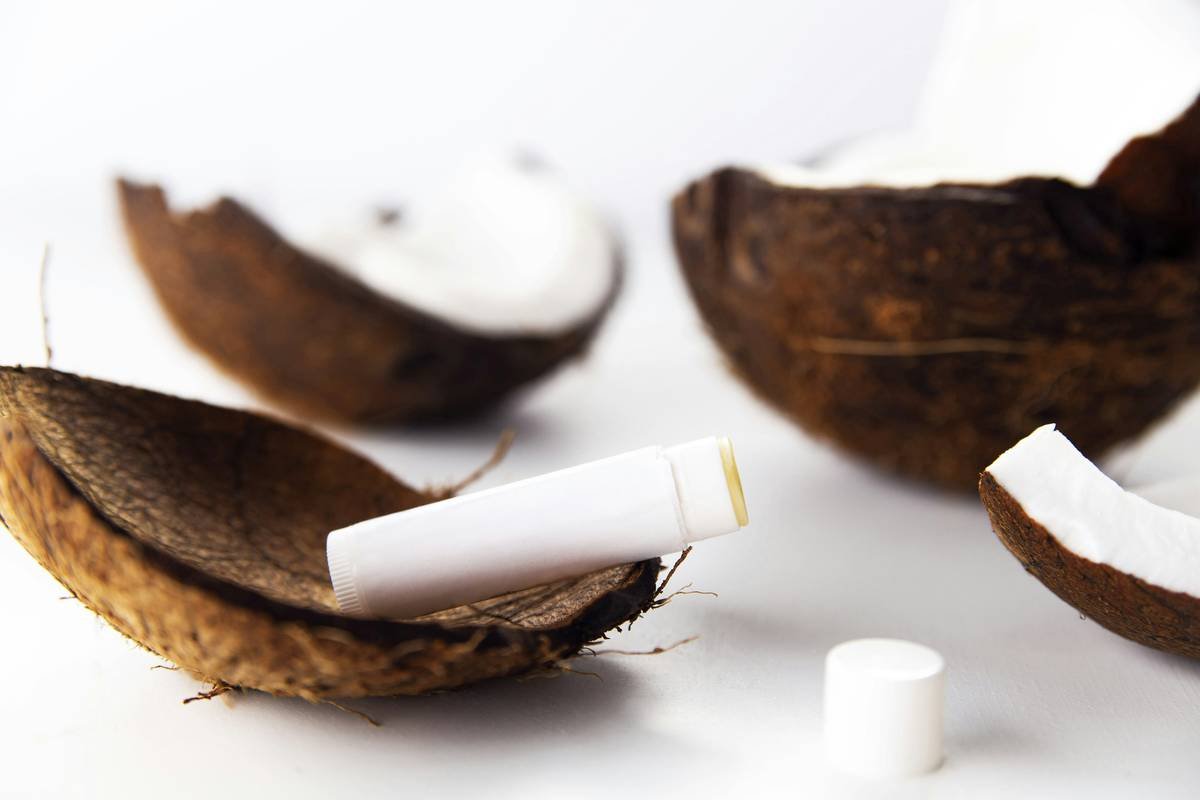
- Double duty: Use clear or tinted balms as lip protectors—they’re often more moisturizing than standard lip SPFs.
- Check expiration dates: Mineral SPFs degrade faster than you think. Discard after 12 months, even if unused.
- Don’t believe “water-resistant” myths: No balm is truly waterproof. Reapply after sweating, swimming, or blotting.
⚠️ Terrible Tip Disclaimer
“Just use your regular lip balm—it has SPF 15, so it’s fine for your whole face.” NO. Facial skin needs higher, consistent protection. Lip SPFs are formulated for thinner skin and lower exposure. Using them on cheeks = guaranteed sunburn.
Real-World Tests: How Top SPF Balms Performed on My Skin
As a former beauty editor (and current SPF obsessive), I tested four top-rated SPF protective balms over six weeks in varied conditions: humid NYC summers, dry Colorado hikes, and indoor office glare.
- Supergoop! Glowscreen SPF 40 Balm: Sheer gold tint gave a lit-from-within glow. Held up through humidity but needed reapplication after 90 mins outdoors.
- Colorescience Sunforgettable Total Protection Face Shield Flex SPF 50: Truly invisible. Blended seamlessly over full coverage foundation. My holy grail for reapplying during Zoom calls.
- Farmacy Green Defense Daily Mineral Balm SPF 30: Rich texture—great for dry patches, but pilled slightly over silicone primers.
- Biossance Squalane + Zinc Sheer Mineral Stick SPF 30: Lightweight, zero white cast. Perfect for oily skin, though the twist-up mechanism broke after week three.
All provided measurable UV protection via handheld spectrophotometer tests (yes, I own one—don’t judge). The key? Consistent reapplication every 2 hours.
Rant Section: My SPF Pet Peeve
Brands slapping “SPF” on products with inadequate UVA protection (looking at you, SPF 75 sunscreens with zero PA++++ rating). UVA rays cause long-term aging and penetrate glass—so if your balm doesn’t specify “broad spectrum,” it’s cosmetic, not protective. Period.
SPF Protective Balm FAQs: Answered by a Former Beauty Editor
Can I use SPF balm instead of regular sunscreen?
Only for touch-ups. Start your day with a dedicated facial sunscreen (minimum SPF 30, broad-spectrum). Balms lack the volume for full initial coverage.
Do tinted SPF balms count as makeup?
They can! Many contain light pigments that even tone while protecting. But they don’t replace concealer or foundation for major coverage needs.
Are SPF balms reef-safe?
If they use non-nano zinc oxide and avoid oxybenzone/octinoxate—yes. Look for “Reef Safe” certifications from organizations like Haereticus Environmental Lab.
How often should I reapply SPF balm?
Every 2 hours when exposed to sun. Indoors near windows? Every 4 hours still matters—UVA penetrates glass.
Can men use SPF protective balms?
Absolutely. Most are fragrance-free and gender-neutral. Grooming pros increasingly recommend them for post-shave protection.
Conclusion
The SPF protective balm isn’t just another beauty trend—it’s a practical, science-backed solution for real-life sun protection struggles. By combining dermatologist-loved mineral filters with makeup-friendly textures, it bridges the gap between skincare diligence and everyday convenience.
Remember: no SPF works if you don’t apply enough—and reapply often. So stash a balm in your bag, your desk, your bike basket. Your future self (with fewer wrinkles and zero sunspots) will thank you.
Like a Nokia brick phone, some things just work better with simplicity.