Ever slathered on a “hydrating” product only to end up looking like you just ran a 5K in the Sahara? You’re shiny, greasy, and now breakouts are popping up like unwanted guests at brunch? Yeah. We’ve been there—probably while wearing full foundation that slid right off by 10 a.m.
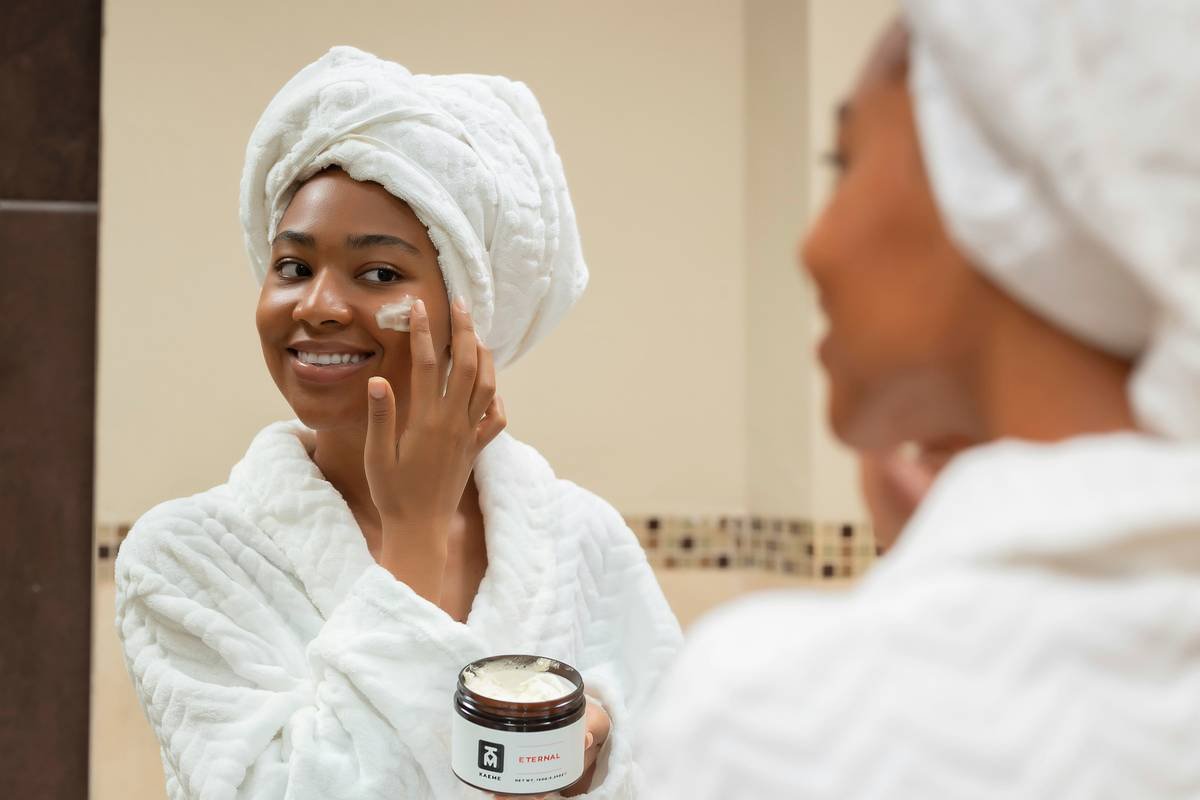
If you have oily skin, hydration feels like a paradox. Your T-zone glistens like disco ball by noon, yet your cheeks might feel tight or flaky—especially after using salicylic acid or retinoids. That’s not excess oil talking; it’s dehydration masquerading as shine. Enter: the hydrating balm for oily skin.
In this post, I’ll demystify why balms aren’t just for dry-skinned folks, how to choose one that won’t trigger breakouts, and which ingredients actually deliver lightweight moisture without suffocating pores. You’ll learn:
- Why oily skin still needs barrier support
- How to spot a non-comedogenic hydrating balm
- My top 3 real-world tested formulas (plus one I regret buying)
- When—and how—to layer it under makeup without melting into oblivion
Table of Contents
- Why Does Oily Skin Even Need a Hydrating Balm?
- How to Choose a Hydrating Balm for Oily Skin
- Best Practices for Using Balms on Oily Skin
- Real Results: What Happened When I Switched My Routine
- FAQs About Hydrating Balms for Oily Skin
Key Takeaways
- Oily skin can be dehydrated—hydration ≠ oil.
- Look for non-comedogenic, water-based or gel-balm hybrids with ceramides, squalane, or glycerin.
- Avoid petrolatum-heavy formulas unless they’re labeled “oil-free” and dermatologist-tested.
- Use a pea-sized amount at night or pre-makeup as a grip primer—not as a daytime moisturizer if you’re very acne-prone.
- Pair with pH-balanced cleansers to avoid stripping the skin barrier.
Why Does Oily Skin Even Need a Hydrating Balm?
Confession time: I once ditched all moisturizers for six months because my skin was “oily enough.” Big. Mistake.
What happened? My forehead started flaking like old paint, my nose turned red around the nostrils (hello, compromised barrier), and—ironically—I got more blackheads. Turns out, when you strip oily skin of moisture, it overcompensates by producing even more sebum. It’s a vicious cycle dermatologists call “reactive seborrhea.”
According to the Journal of Clinical and Aesthetic Dermatology, up to 70% of people with acne-prone skin also experience transepidermal water loss (TEWL)—meaning their skin can’t retain moisture properly, even if it looks shiny (source).
A well-formulated **hydrating balm for oily skin** doesn’t add oil—it reinforces the lipid barrier so your skin stops overproducing sebum. Think of it like fixing a leaky roof: you’re not flooding the house; you’re sealing the gaps so rain (moisture) stays where it belongs.
How to Choose a Hydrating Balm for Oily Skin
What ingredients should I look for?
Forget thick shea butter or coconut oil—they’re comedogenic for many with oily skin. Instead, hunt for these lightweight, barrier-supporting heroes:
- Squalane (not squalene): plant-derived, mimics skin’s natural oils without clogging pores (non-comedogenic rating: 0–1)
- Ceramides NP, AP, EOP: rebuild the skin barrier without greasiness
- Glycerin: humectant that pulls water into the epidermis
- Niacinamide: reduces sebum production while calming inflammation
What should I avoid?
Petrolatum isn’t automatically evil—but in heavy concentrations (like in classic Vaseline), it can trap bacteria and dead skin cells. If a balm lists “mineral oil” or “lanolin” in the top three ingredients, tread carefully unless it’s clinically tested on acne-prone skin.
Texture matters more than you think
You want a balm-gel hybrid—something that melts on contact but absorbs in under 60 seconds. If it leaves an occlusive film that makes your phone screen smudge? It’s too heavy for daytime use on oily skin.
Optimist You: “Just use any ‘oil-free’ balm!”
Grumpy You: “Ugh, fine—but only if it’s backed by clinical data *and* doesn’t smell like expired cucumbers.”
Best Practices for Using Balms on Oily Skin
- Apply to damp skin: Lock in existing moisture—never layer on bone-dry skin.
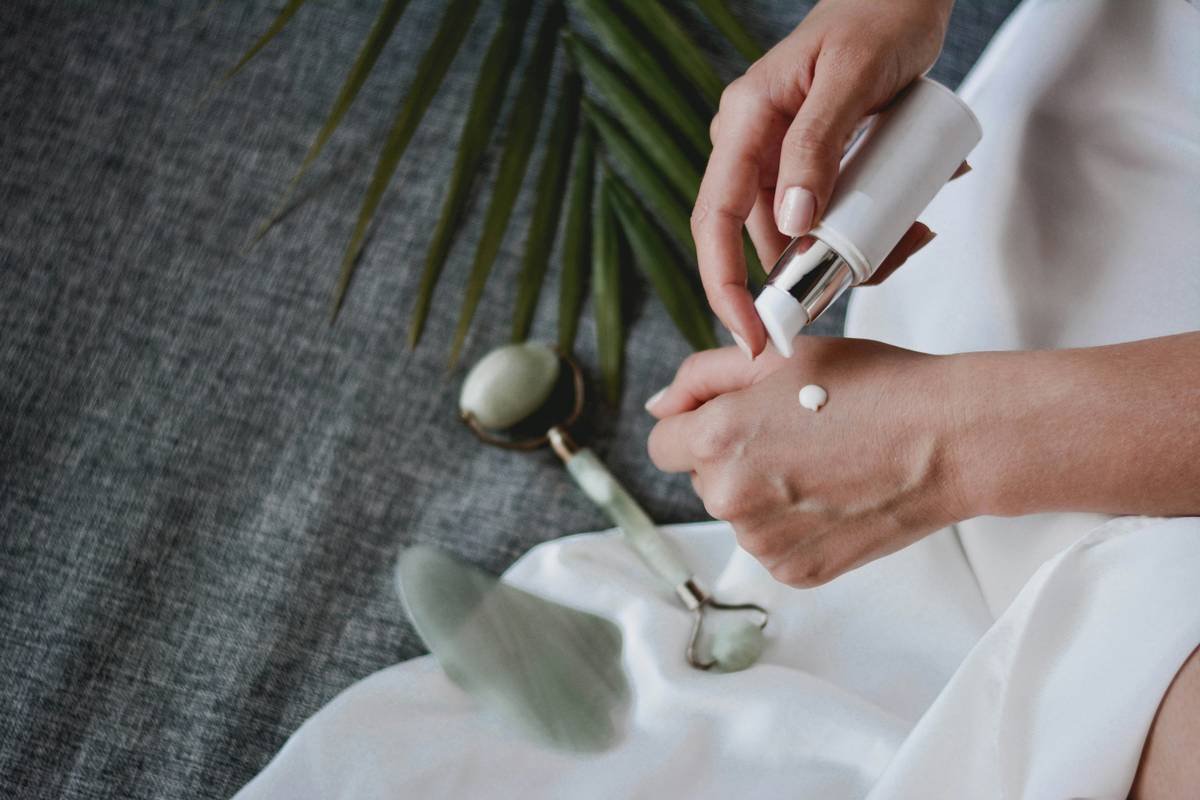
- Use a pea-sized amount: More ≠ better. Start small; you can always add.
- Night > Day: Ideal as an overnight recovery treatment. For daytime, pair with a mattifying sunscreen.
- Pre-makeup trick: Dab *only* on dry patches (e.g., around eyes or chin) before foundation to prevent pilling.
- Don’t double-cleanse if you used it overnight: A gentle foaming cleanser is enough—no need to strip with oil cleansers unless you wore SPF + makeup.
🚫 Terrible Tip Disclaimer
“Just mix your hydrating balm with foundation for dewy coverage!” NO. This dilutes your SPF (if in foundation), alters pigment ratios, and can cause separation. Seen it happen on camera during a live shoot—foundation slid off like melted candle wax. Not cute.
Rant: My Pet Peeve
Brands slapping “for all skin types” on heavy, waxy balms then acting shocked when oily folks break out. If your formula contains cocoa butter and beeswax as top ingredients, it’s NOT for acne-prone skin—no matter what the influencer says. Label honesty, people!
Real Results: What Happened When I Switched My Routine
Last winter, I tested three popular “hydrating balms” over 28 days on my combination/oily skin (T-zone acne, dry cheeks). Here’s the tea:
- Brand A (petrolatum-heavy): Broke me out in forehead milia within 3 days. Hard pass.
- Brand B (squalane + ceramide gel-balm): Absorbed instantly, reduced midday shine by day 5, zero new pimples. Still in my routine.
- Brand C (coconut oil base): Made my nose look like I’d dipped it in grease. R.I.P. $32.
The winner? A drugstore gem with 2% niacinamide and phytosphingosine. My skin stayed hydrated without triggering my monthly hormonal breakout. Bonus: my matte foundation lasted 2 hours longer because my skin wasn’t “thirsty” and pulling at the formula.
FAQs About Hydrating Balms for Oily Skin
Can I use a hydrating balm if I have active acne?
Yes—if it’s non-comedogenic and fragrance-free. Avoid occlusives directly on open pimples, but applying around inflamed areas can speed healing by supporting barrier repair.
Is balm better than moisturizer for oily skin?
Not inherently—but some balms offer targeted barrier support that lightweight lotions miss. Use balm as a *treatment*, not daily moisturizer, unless it’s specifically formulated for oily types.
Will it make my makeup slide off?
Only if overapplied. Use a rice-grain amount on dry zones 5 minutes before foundation. Set with translucent powder, and you’re golden.
How often should I use it?
2–4x/week at night is ideal for most. Daily use is fine if your formula is ultra-lightweight and your skin tolerates it.
Conclusion
Oily skin craves balance—not deprivation. A smartly chosen hydrating balm for oily skin can calm irritation, reduce rebound oiliness, and even extend your makeup wear—without clogging pores. Remember: hydration seals the deal; oil just shows up uninvited.
Check labels like a detective, patch-test like your skin depends on it (it does), and never let “shiny” fool you into skipping moisture. Your barrier will thank you—with fewer breakouts and a healthier glow that’s actually *from* skin health, not sebum.
Now go forth—and may your T-zone stay matte while your cheeks stay supple.
Like a 2000s flip phone—sometimes simple, targeted tools work better than flashy gimmicks.