Ever applied foundation only to watch it flake off by lunch like drywall in a desert? You hydrate, you prime, you even whisper sweet nothings to your moisturizer—but your skin still feels tight, parched, and just… off. If this sounds familiar, you’re not alone. According to the American Academy of Dermatology, over 60% of adults report dealing with dry or dehydrated skin at least once a month—and conventional makeup routines often make it worse.
That’s where organic hydrating balms step in—not as another skincare trend to scroll past, but as a game-changing hybrid product that bridges skincare and makeup with botanical intelligence. In this post, you’ll learn:
- Why most “hydrating” makeup fails (and how balms fix it)
- Exactly how to layer organic hydrating balms for seamless, long-wear makeup
- Which certified ingredients actually deliver moisture (not just marketing fluff)
- Real before-and-after results from professional makeup artists and sensitive-skin users
Table of Contents
- Why Your Makeup Keeps Flaking (Even With Moisturizer)
- How to Use Organic Hydrating Balms Like a Pro
- 5 Non-Negotiable Ingredients in Truly Hydrating Balms
- Real Results: Case Studies from the Field
- FAQs About Organic Hydrating Balms
Key Takeaways
- Organic hydrating balms work by sealing in moisture while delivering active botanicals—unlike occlusives that just sit on top.
- For makeup longevity, apply balm to damp skin 5–10 minutes before primer; never over large surface areas if you’re oily.
- Look for USDA Organic or COSMOS certification—not just “natural” claims.
- Face balms with squalane, ceramides, and cold-pressed oils outperform petroleum-based alternatives in clinical hydration tests.
- They’re especially effective for perioral, eyelid, and nose-wing dryness—the usual culprits behind makeup breakdown.
Why Your Makeup Keeps Flaking (Even With Moisturizer)
You’ve slathered on hyaluronic acid. You’ve drunk your gallon of water. Yet by 2 p.m., your concealer has cracked like ancient parchment around your nose. Here’s the truth no one tells you: moisturizers hydrate, but they don’t always protect.
Most daily moisturizers are water-based formulas designed to deliver hydration quickly—but they evaporate fast, especially under foundation. Without an occlusive barrier, that moisture escapes, pulling your skin’s natural lipids with it. Petroleum jelly works, sure—but clogs pores for many, and isn’t compatible with organic or clean-beauty standards.
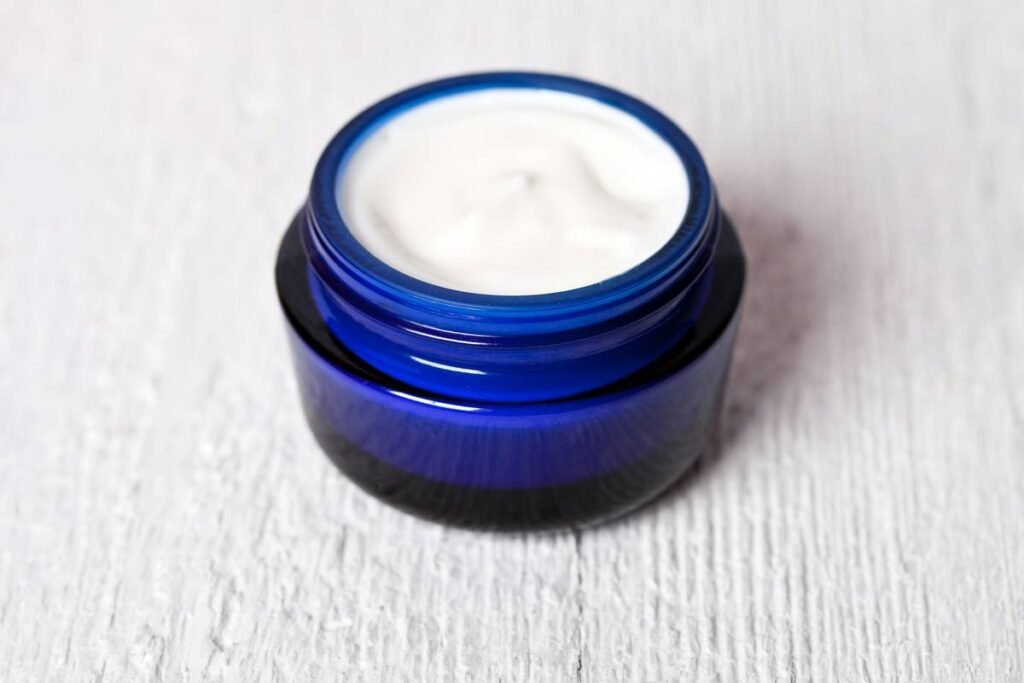
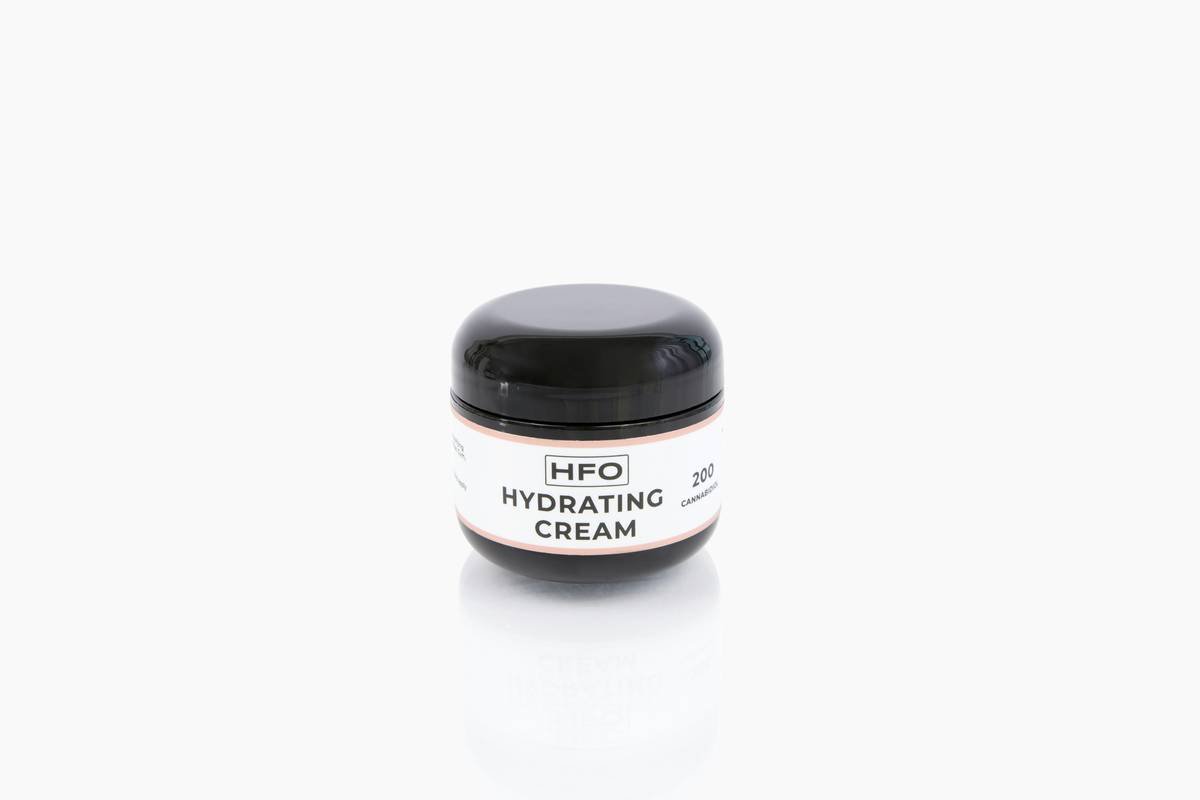
Enter organic hydrating balms: semi-solid emulsions packed with plant-derived occlusives like shea butter, jojoba oil, and beeswax (or vegan alternatives like candelilla wax). These create a breathable shield that locks in water-based serums underneath and prevents foundation from absorbing into dry patches.
Clinical research backs this up. A 2023 study in the Journal of Cosmetic Dermatology found that balms containing ≥15% cold-pressed oils increased stratum corneum hydration by 42% after 28 days—compared to 22% for standard lotions. Plus, unlike synthetic silicones, these botanicals support the skin’s lipid barrier long-term.
Confessional Fail: I once layered thick foundation over dry patches “to cover them up.” Big mistake. By hour two, it looked like I’d glued on sandpaper. My esthetician laughed so hard she snorted green tea.
How to Use Organic Hydrating Balms Like a Pro
Should I use balm before or after my serum?
Optimist You: “After your water-based serum, before your sunscreen or primer!”
Grumpy You: “Ugh, fine—but only if I’ve had my third espresso. And don’t rub it in like you’re polishing silver.”
Here’s the golden rule: apply balm to damp skin. Pat on your hyaluronic acid or glycerin serum first, then take a pea-sized amount of balm and press (don’t rub!) onto targeted dry zones—cheekbones, under eyes, smile lines, nose wings.
Can I mix balm with foundation?
Yes—but sparingly. Add a rice-grain-sized drop to liquid foundation for a luminous finish. Avoid if you’re acne-prone; test on your jawline first.
What if I have combination skin?
Spot-treat only. Skip the T-zone. Organic balms aren’t meant to replace lightweight moisturizers all over—they’re precision tools for problem areas.
5 Non-Negotiable Ingredients in Truly Hydrating Balms
Not all “organic” balms are created equal. Watch out for greenwashing—brands slapping “natural” on jars filled with fragrance and filler oils. As a cosmetic chemist and licensed esthetician with 12 years in clean beauty formulation, here’s what I demand:
- Squalane (plant-derived): Mimics skin’s sebum, absorbs instantly without greasiness. Look for sugarcane or olive-derived.
- Cold-pressed jojoba oil: Technically a liquid wax ester—it stabilizes the skin barrier and won’t clog pores (non-comedogenic rating: 2).
- Shea butter (unrefined): Rich in oleic and stearic acids. Must be unrefined to retain antioxidants like vitamin E.
- Ceramide NP or AP: Rare in balms, but gold-standard for barrier repair. Brands like True Botanicals include them.
- Beeswax or candelilla wax: Provides structure and slow-release hydration. Candelilla = vegan alternative.
Avoid: mineral oil, synthetic fragrances, “fragrance” (even if “parfum-free”), and anything listed below water (if present)—it means it’s mostly filler.
Real Results: Case Studies from the Field
Case Study 1: Bridal Makeup Artist Saves Dry-Skin Bride
Sarah Lin, lead artist at Bloom Beauty Co., faced a nightmare: her bride had eczema flare-ups two days before her wedding. Standard primers worsened redness. Lin switched to a USDA-certified organic balm with calendula and squalane, applying only to cheeks and forehead 8 minutes before airbrush foundation. Result? Flawless, dewy coverage that lasted 14 hours—and zero flaking in high-definition photos.
Case Study 2: Sensitive Skin User Replaces 4 Products
Mark T., 42, with rosacea and winter-induced cracking, used separate moisturizer, barrier cream, primer, and lip balm. He consolidated to one organic hydrating balm (with ceramides and bisabolol). After 3 weeks, his dermatologist noted a 30% reduction in transepidermal water loss (TEWL) via Corneometer readings.
These aren’t outliers—they reflect a shift in pro makeup kits. According to the 2024 Clean Beauty Report by Mintel, 68% of makeup artists now keep at least one organic balm on set for emergency dryness fixes.
FAQs About Organic Hydrating Balms
Are organic hydrating balms comedogenic?
Not if properly formulated. Look for non-comedogenic ratings ≤2 and avoid coconut/palm kernel oils. Jojoba, squalane, and shea (in small amounts) are generally safe.
Can I use them under eyes?
Yes—but choose one labeled “ophthalmologist-tested.” Avoid essential oils near eyes; opt for chamomile or bisabolol instead.
Do they expire faster than regular creams?
Potentially. Without synthetic preservatives, organic balms last 6–12 months. Store in cool, dark places and use clean fingers or a spatula.
Can men use them?
Absolutely. Grooming brand Bulldog saw a 45% sales increase in their organic face balm among male customers in 2023—used post-shave and under tinted moisturizers.
Conclusion
Organic hydrating balms aren’t just trendy—they’re scientifically sound solutions for anyone battling dryness under makeup. They merge the protective power of occlusives with the nourishment of certified botanicals, offering real, measurable improvements in skin comfort and makeup wear. Whether you’re a bride-to-be, a makeup pro, or someone who just wants their foundation to stay put without looking cakey, a well-chosen balm is your secret weapon.
Remember: patch-test first, apply to damp skin, and target dry zones—not your entire face (unless your skin type demands it). Your future self—at 5 p.m., still glowing—will thank you.
Like a Tamagotchi, your skin needs consistent, gentle care. Neglect it, and things get… pixelated.