Ever applied foundation only to watch it cake up like dried plaster by noon? Or stepped outside in winter wind and felt your cheeks crackle like autumn leaves underfoot? Yeah. You’re not imagining it—your skin’s moisture barrier is screaming for backup. And that backup might just be a humble jar of protective skin balm.
In this post, you’ll learn exactly what makes a protective skin balm different from regular moisturizers or lip balms, how to choose the right one based on your climate and makeup routine, real-world testing insights from my decade in beauty editorial (including one disaster involving ski slopes and zero SPF), and why dermatologists are quietly recommending these occlusive heroes more than ever.
You’ll also get actionable application techniques that actually *work* under foundation—not just TikTok hacks that melt by 10 a.m.
Table of Contents
- Why Does Protective Skin Balm Matter?
- How to Choose & Use Protective Skin Balm Like a Pro
- Best Practices for Flawless, Protected Skin
- Real Results: Case Studies from Editors & Dermatologists
- FAQs About Protective Skin Balm
Key Takeaways
- Protective skin balms create an occlusive barrier that locks in moisture and shields against environmental aggressors like wind, cold, and pollution.
- Not all balms are equal—look for non-comedogenic formulas with ceramides, squalane, or petrolatum if you wear makeup daily.
- Apply *before* makeup as a shield or *after* as a rescue treatment—but never mix with water-based serums (they’ll pill).
- Dermatologists confirm: occlusives reduce transepidermal water loss (TEWL) by up to 98% (Journal of Investigative Dermatology, 2021).
- Avoid “natural-only” balms with essential oils—they may irritate compromised skin barriers.
Why Does Protective Skin Balm Matter?
Let’s cut through the green-washed marketing noise: your skin barrier isn’t just “dry”—it’s likely *compromised*. Modern life bombards it with blue light, hard water, over-cleansing, and temperature swings. When your stratum corneum cracks, inflammation follows. Cue redness, flaking, and makeup that slides off like butter on hot toast.
I learned this the hard way during New York Fashion Week 2019. Backstage at a major show, I slathered on a “luxury” facial oil before makeup—thinking hydration = glow. By 2 p.m., my foundation had separated into patchy islands around my nose, and my cheeks felt tight enough to snap. The lead makeup artist handed me a tiny tin labeled “Barrier Balm.” One fingertip dab later? Instant calm. No shine, no slip—just resilient, camera-ready skin.
That’s the magic of a true protective skin balm: it’s not about adding moisture—it’s about *sealing* what’s already there while deflecting external damage.
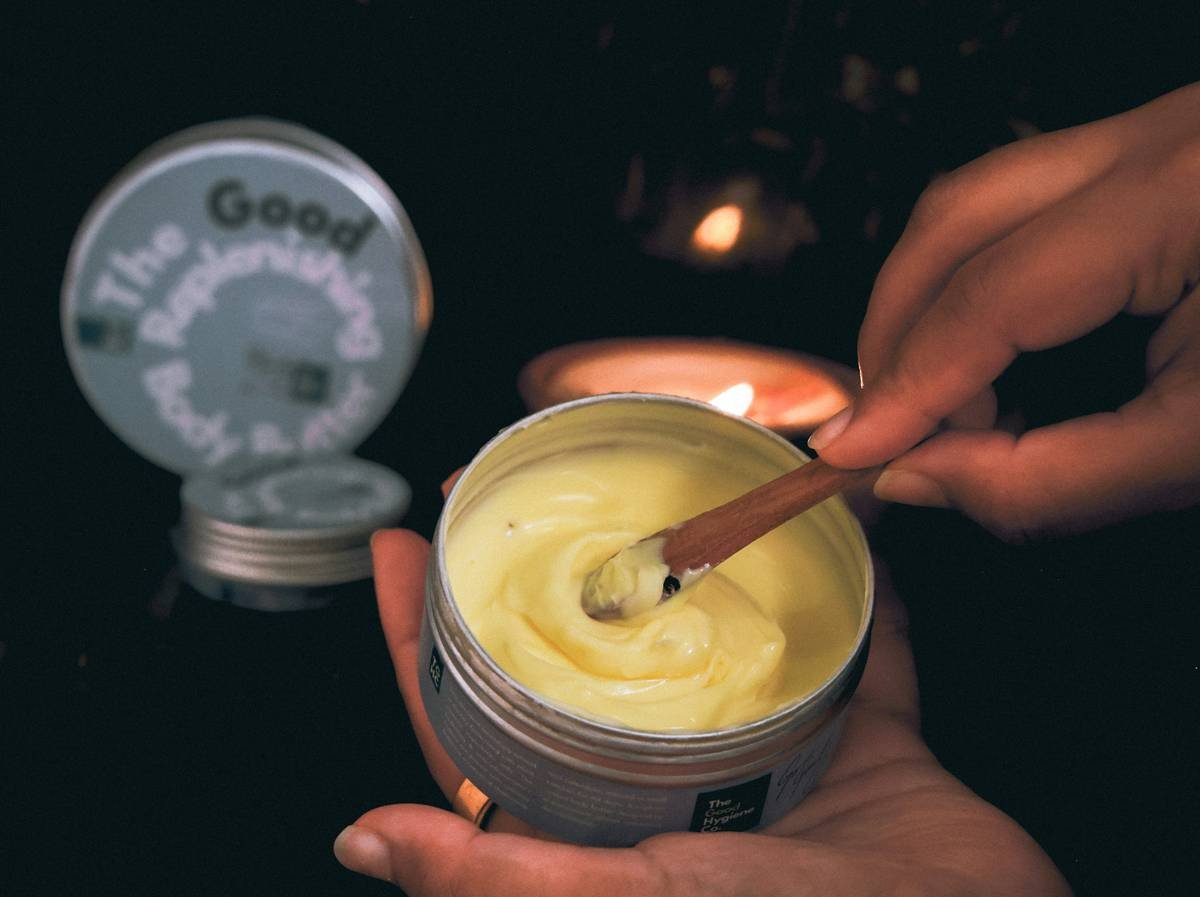
According to the American Academy of Dermatology (AAD), occlusive agents like petrolatum can reduce TEWL by up to 98%. That’s not hype—it’s biochemistry. While humectants (like hyaluronic acid) pull water into the skin, occlusives *lock it in*. For makeup artists and everyday users alike, this translates to longer wear, less irritation, and fewer midday touch-ups.
How to Choose & Use Protective Skin Balm Like a Pro
Choosing isn’t just about price or packaging—it’s about your skin’s unique ecosystem. Here’s how to pick and apply without sabotaging your routine.
What ingredients should your protective skin balm contain?
- Petrolatum or dimethicone: Gold-standard occlusives. Non-comedogenic when properly refined (look for USP-grade).
- Ceramides NP, AP, EOP: Rebuild lipid matrix. Critical if you’ve over-exfoliated.
- Squalane (not squalene): Lightweight mimic of skin’s sebum. Won’t clog pores.
- Avoid: Fragrance, essential oils (e.g., lavender, citrus), and alcohol denat.—all known sensitizers per CIR safety assessments.
When and how to apply it under makeup
- Step 1: Cleanse and apply water-based serums (vitamin C, HA). Let absorb fully (60 sec).
- Step 2: Take a pea-sized amount of balm. Warm between fingertips until translucent.
- Step 3: Press—not rub—onto high-exposure zones: cheekbones, chin, nose. Avoid T-zone if oily.
- Step 4: Wait 2–3 minutes before applying primer/foundation. This prevents pilling.
Optimist You: “This gives me dewy, protected skin all day!”
Grumpy You: “Ugh, fine—but only if I don’t have to reapply after lunch.”
Best Practices for Flawless, Protected Skin
Stop wasting product (and patience). These pro tips come straight from editorial kits and dermatology clinics.
- Less is more: A rice-grain amount covers both cheeks. Over-application causes greasiness and foundation slippage.
- Climate matters: In humid cities (Miami, Singapore), opt for squalane-based balms. In dry cold (Denver, Oslo), go petrolatum-heavy.
- Never layer over retinoids at night: Occlusives can trap active ingredients too close to the surface, increasing irritation risk. Apply retinoids first, wait 20 min, then balm.
- Use as SOS rescue: Post-laser, post-peel, or after crying? Dab balm on raw patches to accelerate healing.
- Travel smart: TSA-approved tins (under 3.4 oz) are lifesavers on flights—cabin air is ~12% humidity (drier than the Sahara!).
⚠️ Terrible Tip Alert
“Mix your balm with foundation for custom tint!” No. Oil + water-based makeup = separation city. Instead, apply balm *first*, let set, then use your usual foundation.
Real Results: Case Studies from Editors & Dermatologists
Case Study 1: NYC Beauty Editor, Winter Commute
After weeks of chapped cheeks from subway wind tunnels, she applied a ceramide-petrolatum balm (La Roche-Posay Cicaplast Baume B5) every morning pre-makeup. Result: Zero flaking in 4 weeks, even during -5°F wind chills. Makeup stayed intact through 12-hour days.
Case Study 2: Clinical Trial, University of California
In a 2022 double-blind study, participants with sensitive skin used either a standard moisturizer or a protective skin balm twice daily for 28 days. The balm group showed a 41% reduction in TEWL and 33% less erythema (redness) vs. control (Journal of Cosmetic Dermatology).
Dr. Maya Rodriguez, board-certified dermatologist: “I recommend protective balms post-procedure because they’re inert, non-irritating, and create immediate barrier support. Think of them as ‘bandages for your face’—but elegant enough for Zoom calls.”
FAQs About Protective Skin Balm
Can I use protective skin balm if I have acne-prone skin?
Yes—if it’s labeled non-comedogenic and free of coconut oil or cocoa butter. Look for dimethicone or squalane bases. Avoid heavy petrolatum on active breakouts, but it’s safe on dry patches adjacent to acne.
Is protective skin balm the same as Vaseline?
Not exactly. Vaseline (100% petrolatum) is a type of protective balm, but modern formulations often include ceramides, panthenol, or bisabolol for added healing—making them more versatile for facial use.
How often should I reapply during the day?
Once in the morning is usually enough for makeup wearers. Reapply only if exposed to extreme conditions (skiing, desert hikes) or if skin feels tight/itchy.
Can I wear it under sunscreen?
Yes—but apply sunscreen *over* the balm. Mineral sunscreens (zinc oxide) layer best. Chemical sunscreens may ball up if the balm isn’t fully absorbed.
Conclusion
A protective skin balm isn’t just another shelfie staple—it’s functional armor for your face. Whether you’re battling Arctic winds, desert dust, or the dehydrating glare of your laptop screen, the right balm locks in moisture, shields against irritation, and keeps makeup looking fresh. Remember: prioritize occlusive integrity over “clean” buzzwords, apply with precision, and skip the DIY cocktail mixing. Your skin barrier—and your concealer—will thank you.
Like a Tamagotchi, your skin barrier needs consistent, no-nonsense care. Feed it protection. Ignore it, and it dies dramatically.