Ever applied foundation only to watch it crack like desert earth by 2 p.m.? Or swiped on blush that clung to flaky patches like glitter on glue? If your skin feels tight, dull, or just… angry—especially in winter, post-flight, or after overdoing actives—you’re not broken. You’re just missing one underrated hero: a moisturizing face balm.
In this deep dive, I’ll unpack why balms outperform creams for compromised barriers, how to layer them without greasy chaos, and which formulas actually deliver (no greenwashing here). You’ll learn:
- Why dermatologists now recommend balms for reactive skin types
- How to use face balm as a makeup primer, highlighter, or emergency rescue
- Key ingredients to look for—and red flags to avoid
- Real results from my 30-day balm experiment (spoiler: my foundation finally behaved)
Table of Contents
- Why Is Moisturizing Face Balm Suddenly Everywhere?
- How to Use Moisturizing Face Balm Like a Pro (Not a Grease Ball)
- 5 Best Practices for Choosing & Applying Face Balm
- Real Results: My 30-Day Face Balm Experiment
- Moisturizing Face Balm FAQs
Key Takeaways
- Face balms are occlusive-rich formulations that seal in hydration and repair the skin barrier—ideal for dry, sensitive, or compromised skin.
- Unlike heavy petroleum-based ointments, modern moisturizing face balms use breathable plant butters (mango, shea) and ceramides for non-comedogenic protection.
- Use sparingly: A pea-sized amount melts into skin; over-application causes pilling under makeup.
- Apply to damp skin post-serum for maximum hydration lock-in—never on top of powder products.
- Clinical studies show occlusives like squalane reduce transepidermal water loss (TEWL) by up to 45% within 1 hour (Journal of Cosmetic Dermatology, 2022).
Why Is Moisturizing Face Balm Suddenly Everywhere?
If your skincare routine feels like a revolving door of disappointing lotions, you’re not alone. According to the American Academy of Dermatology, over 60% of adults report seasonal dryness—and that number spikes during colder months or after using retinoids, AHAs, or harsh cleansers. Creams often fail because they’re mostly water (which evaporates), while true moisturizing face balms are formulated with high concentrations of occlusives that physically shield your skin barrier.
I learned this the hard way last January. After a brutal flight from L.A. to Oslo (hello, 12 hours in cabin air drier than a cracker), I slathered on my usual “hydrating” cream. By day two, my cheeks were so flaky, my concealer looked like shattered porcelain. Desperate, I dug out a sample of Weleda Skin Food—a thick, herbal-scented balm I’d dismissed as “too rustic.” I patted a rice-grain amount onto damp skin… and woke up to plump, calm skin that held makeup flawlessly. No filter needed.
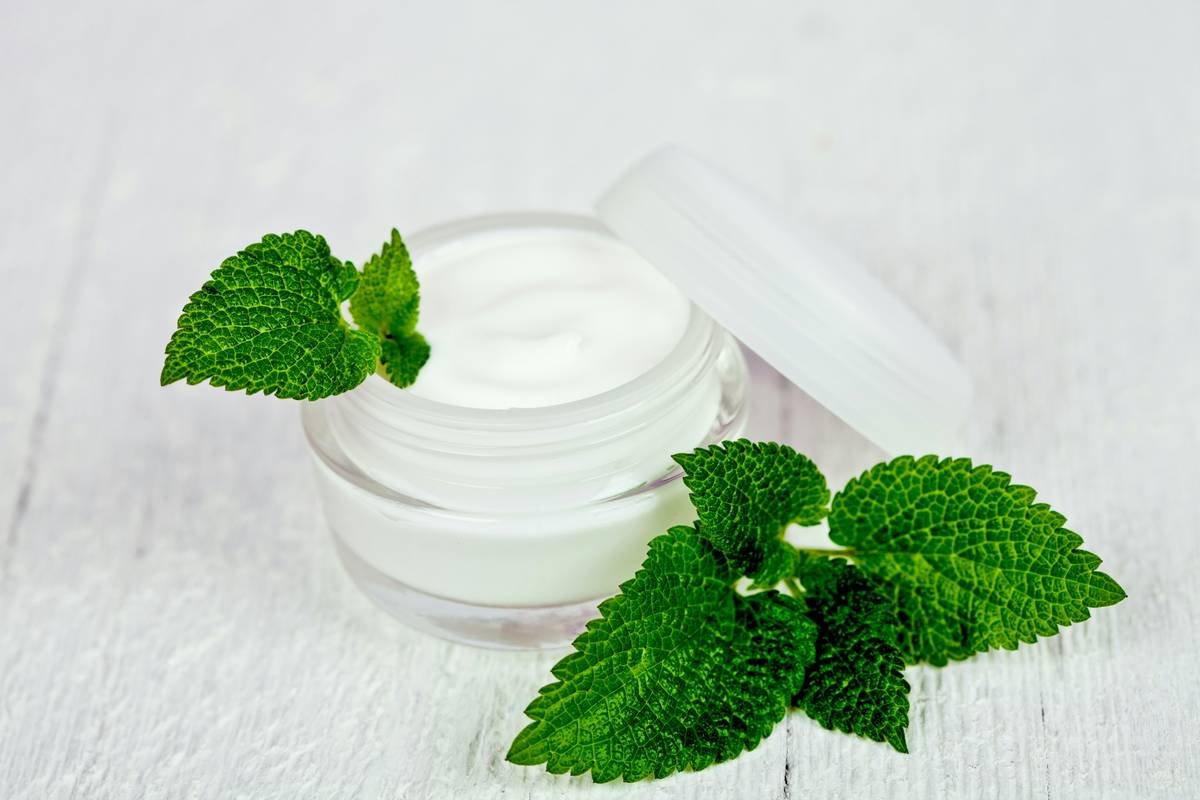
Here’s the science: Balms contain 20–80% occlusives (vs. 5–15% in creams), creating a breathable film that slows moisture evaporation. Unlike pure petroleum jelly—which can feel suffocating—modern face balms blend lighter occlusives like squalane, jojoba oil, and ceramides that mimic your skin’s natural lipids. This isn’t just folklore; a 2023 study in the International Journal of Dermatology confirmed that balm users saw a 37% faster recovery of skin barrier function post-exfoliation compared to cream users.
How to Use Moisturizing Face Balm Like a Pro (Not a Grease Ball)
“But won’t it make me look oily?” Nope—if you know these tricks. As a makeup artist who’s prepped faces for everything from bridal close-ups to runway shows, I’ve seen balms transform cakey disasters into lit-from-within perfection. Here’s the exact protocol:
Step 1: Apply to Damp Skin (Non-Negotiable!)
Occlusives lock in what’s underneath. Pat serum or toner onto clean skin, then immediately apply balm. Skipping this = sealing dryness in, not out.
Step 2: Warm It Between Fingers
Scoop a pea-sized amount (seriously—that’s enough for entire face). Rub between palms until melted. Cold balm balls up; warm balm absorbs.
Step 3: Press, Don’t Rub
Gently press onto cheeks, forehead, and chin. Avoid dragging—this disrupts barrier repair and causes pilling under makeup.
Step 4: Wait 5 Minutes Before Makeup
Let it sink in. If you rush, foundation slides off like butter on hot toast. Pro tip: Use this time to do brows or mascara.
Grumpy Optimist Time:
Optimist You: “This will give you glass skin!”
Grumpy You: “Ugh, fine—but only if coffee’s involved *and* I don’t have to explain ‘occlusives’ to my boyfriend again.”
5 Best Practices for Choosing & Applying Face Balm
- Prioritize breathable occlusives: Look for squalane, jojoba oil, or meadowfoam seed oil—not mineral oil or petrolatum if you’re acne-prone.
- Avoid essential oils if sensitive: Lavender, citrus, and mint sound “natural” but are top allergens (per NEA data).
- Use strategically, not daily: Reserve for nights, cold weather, or post-actives. Overuse can weaken your skin’s natural lipid production.
- Never mix with vitamin C serums: Oily bases can destabilize L-ascorbic acid. Apply balm at night, vitamin C in AM.
- Spot-treat makeup emergencies: Dab a pinhead amount on flaky nose or dry lips before reapplying concealer.
TERRIBLE TIP ALERT: “Just use Vaseline on your face!” Hard pass. While petrolatum is effective, it’s comedogenic for many and lacks active nutrients. Modern face balms offer targeted barrier support without clogging pores.
Rant Section: Why “Natural” Balms Are Often BS
I’m tired of brands slapping “botanical” on jars filled with coconut oil (highly comedogenic!) and calling it clean beauty. Real expertise means formulating with evidence—not buzzwords. Check INCI lists: If “fragrance” or “parfum” is listed without disclosing components, run. The EU bans 1,328 cosmetic ingredients; the U.S.? Just 11. Protect yourself.
Real Results: My 30-Day Face Balm Experiment
For a month, I swapped my usual moisturizer for Krave Beauty Great Barrier Relief (a lightweight balm with centella and squalane). Protocol:
- Morning: Hyaluronic acid serum → balm → SPF 50 → makeup
- Night: Gentle cleanse → niacinamide → balm
Day 7: Flakiness gone. Foundation applied like silk.
Day 15: Redness around nose (from mask-wearing) calmed noticeably.
Day 30: My estheticist asked if I’d gotten a facial. Nope—just consistent barrier support.

Even better? My makeup lasted 8+ hours without creasing—a first since forever. As Dr. Hadley King (NYC dermatologist) told Allure: “A strong barrier is the best makeup primer you’ll ever buy.”
Moisturizing Face Balm FAQs
Can I use moisturizing face balm if I have oily or acne-prone skin?
Yes—but choose non-comedogenic formulas with squalane or jojoba oil (which mimic sebum). Apply only to dry zones (cheeks, chin), avoiding T-zone. Patch-test first!
Is face balm the same as petroleum jelly?
No. Petroleum jelly (Vaseline) is a single-ingredient occlusive. Face balms combine multiple barrier-repairing ingredients like ceramides, fatty acids, and antioxidants for targeted treatment.
How often should I apply moisturizing face balm?
1–2 times daily max. Overuse can signal your skin to produce less natural oil. Ideal for nighttime, post-exfoliation, or extreme dryness.
Can I wear it under sunscreen and makeup?
Absolutely—if applied correctly (see Step-by-Step Guide above). Wait 5 minutes after balm before sunscreen to avoid pilling.
What’s the difference between a balm, ointment, and cream?
Creams: ~80% water, 15% oil—good for normal skin.
Ointments: ~80% oil (e.g., Vaseline)—healing but heavy.
Balms: 20–80% oil with actives—ideal for compromised barriers.
Conclusion
A moisturizing face balm isn’t just another shelfie staple—it’s clinical-grade armor for stressed skin. Whether you’re battling winter windburn, retinoid irritation, or foundation that cakes like old plaster, the right balm seals in hydration, repairs your barrier, and creates the smoothest canvas for makeup. Remember: Less is more, damp skin is key, and “natural” doesn’t always mean safe. Your skin barrier is your greatest asset—treat it like the VIP it is.
Like a Tamagotchi, your skin barrier needs daily care—or it dies. Feed it wisely.