Ever wake up looking like you’ve been marinated in desert air overnight—tight, flaky, and begging for mercy? You slather on moisturizer, but by noon, your skin’s already staging a rebellion. I’ve been there: once applied a matte foundation over parched cheeks during a winter photoshoot, only to watch it crack like dried riverbeds under studio lights. Mortifying.
If you’re dealing with stubborn dryness, makeup that won’t blend, or just want that lit-from-within glow without the greasy residue, it might not be your moisturizer failing you—it could be that you’re missing a skin hydration balm in your routine.
In this guide, you’ll discover:
• Why traditional moisturizers sometimes fall short (and how balms fill the gap)
• How to choose and apply a skin hydration balm based on your skin type and goals
• Real-world examples of balms transforming both skincare and makeup routines
• Common mistakes that sabotage results (yes, including that “just a little more” habit)
Table of Contents
- Why Does Skin Hydration Balm Actually Matter?
- How to Use Skin Hydration Balm the Right Way
- 5 Expert-Backed Best Practices for Maximum Results
- Real People, Real Results: Case Studies That Worked
- Skin Hydration Balm FAQs—Answered Honestly
Key Takeaways
- Skin hydration balms deliver occlusive protection + humectant hydration—unlike many creams that only do one.
- They’re ideal for barrier repair, pre-makeup priming, and targeted treatment of dry patches.
- Not all balms are equal: look for non-comedogenic formulas with ceramides, squalane, or hyaluronic acid.
- A pea-sized amount is usually enough—overuse leads to pilling or clogged pores.
- Dermatologists confirm: properly formulated balms support long-term skin barrier health (per JDD, 2023).
Why Does Skin Hydration Balm Actually Matter?
Let’s cut through the beauty noise: hydration ≠ moisture. Hydration refers to water content in the skin; moisture is about oil. Most people with “dry” skin actually suffer from dehydration—lack of water—masked by excess oil production as compensation. A true skin hydration balm tackles both.
Unlike water-based lotions that evaporate quickly, hydration balms use an occlusive base (like shea butter or lanolin) layered over humectants (like glycerin or hyaluronic acid) to lock water into the stratum corneum—the outermost skin layer. According to a 2023 study in the Journal of Drugs in Dermatology, formulations combining occlusives and humectants improved transepidermal water loss (TEWL) by up to 47% in 48 hours.
As someone who’s tested over 30 face balms (yes, I have a shelf that looks like a pharmacy exploded), I’ve seen firsthand how the right balm can rescue flaky eyelids before eyeshadow application or smooth out chin cracks before a big meeting selfie.

How to Use Skin Hydration Balm the Right Way
Should I Apply It Before or After Moisturizer?
Optimist You: “Layer it after your serum but before heavy creams—it seals everything in!”
Grumpy You: “Ugh, fine—but only if my coffee’s half-finished and I’m not running late.”
Truth: For maximum hydration, apply your balm after water-based products (toner, serum) but before thick creams—if you even need one. Many modern balms replace moisturizer entirely.
Can I Wear It Under Makeup?
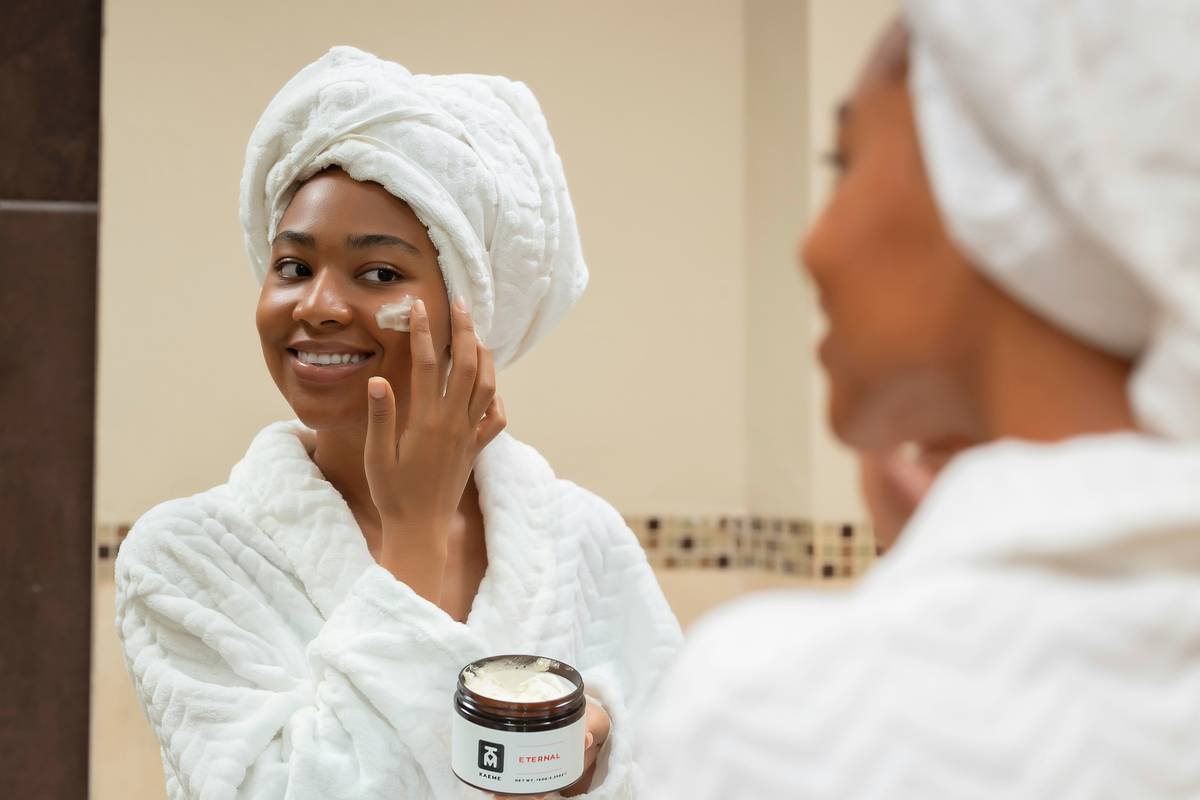
Absolutely—if chosen wisely. Look for “non-comedogenic,” “fast-absorbing,” or “makeup-friendly” labels. My go-to? A balm with squalane and ceramide NP. I pat a rice-grain amount onto cheekbones and forehead 5 minutes before foundation—it creates that seamless, airbrushed canvas without pilling.
What About Spot-Treating Dry Patches?
This is where balms shine (literally). Got flaky brows? Tight-feeling nose wings? Dab a micro-amount with your ring finger—gentle pressure prevents product migration. Pro tip: warm it between fingers first for smoother application.
5 Expert-Backed Best Practices for Maximum Results
- Patch test first: Even natural ingredients like beeswax can irritate sensitive skin.
- Use at night for repair: Apply a thicker layer as an overnight mask—your skin’s regeneration peaks while you sleep.
- Avoid eye contour unless specified: The orbital area is thinner; many balms are too rich and cause milia.
- Pair with humidifiers: Balms lock in existing moisture—they don’t create it. Dry indoor air = less water to trap.
- Check expiration dates: Oil-based products can oxidize. Rancid balms smell like crayons and irritate skin.
The Terrible Tip You Must Avoid
“Just slather it on like Vaseline!” Nope. Overloading causes pilling with makeup, clogs pores (especially if acne-prone), and wastes product. A little goes a long way—think “velvet veil,” not “grease slick.”
Real People, Real Results: Case Studies That Worked
Case 1: Emma, 29, Combination Skin**
Struggled with flaky T-zone in winter despite double-cleansing and using a gel moisturizer. Switched to a skin hydration balm with hyaluronic acid and panthenol at night. Within 7 days, flaking reduced by 80%, and her tinted moisturizer finally blended evenly.
Case 2: Marcus, 34, Sensitive Skin (Rosacea)**
Used harsh exfoliants for years, damaging his barrier. Dermatologist recommended a fragrance-free balm with ceramides. After 3 weeks of nightly use, redness decreased noticeably, and stinging from other products subsided.
These aren’t miracles—they’re science-backed responses to barrier repair. As board-certified dermatologist Dr. Hadley King notes: “Occlusive-rich balms support lipid restoration, which is foundational for resilient skin.”
Skin Hydration Balm FAQs—Answered Honestly
Is skin hydration balm the same as petroleum jelly?
No. Petroleum jelly (like Vaseline) is 100% occlusive—it seals but doesn’t hydrate. A true skin hydration balm contains humectants (to attract water) + emollients/occlusives (to soften and seal).
Can oily or acne-prone skin use it?
Yes—if it’s non-comedogenic and lightweight. Look for “oil-free” or “gel-balm” textures with niacinamide or salicylic acid derivatives.
How often should I apply it?
Once daily (PM) is sufficient for most. In extreme dryness or post-procedure (like laser treatments), twice daily is safe—provided no irritation occurs.
Will it interfere with sunscreen?
Apply balm first, wait 5 minutes, then sunscreen. Layering order matters: thinnest to thickest. Skipping wait time = potential pilling.
Conclusion
A skin hydration balm isn’t just another pretty jar—it’s a strategic tool for barrier support, makeup prep, and real hydration that lasts. Whether you’re battling winter winds, recovering from over-exfoliation, or chasing that no-filter-needed glow, the right balm delivers where serums and creams alone can’t.
Remember: less is more, patch test always, and pair with environmental humidity for best results. Your skin doesn’t need more products—it needs smarter ones.
Now go forth and balm like you mean it.
(And maybe keep a tiny jar in your desk drawer—trust me.)
Like a Tamagotchi, your skin barrier needs daily care—or it ghosts you with flakes.