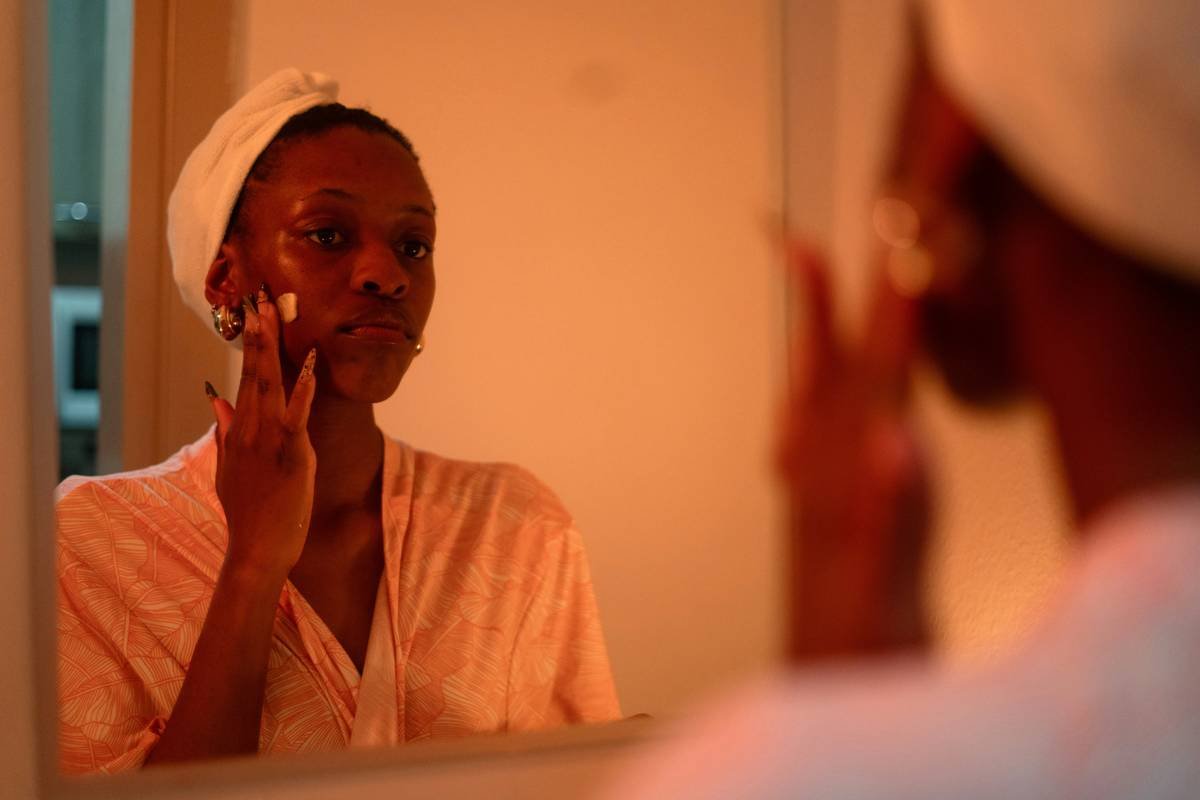
Ever slathered on what you thought was a “hydrating face moisturizer,” only to wake up looking like a parched desert lizard by 2 p.m.? Yeah. I’ve been there—standing in front of my bathroom mirror, poking at flaky patches while my foundation crumbles into existential dust. (True story: I once used a “luxury” gel cream labeled “intense hydration” that left my skin drier than my bank account after holiday shopping. RIP, $48.)
If you’re knee-deep in skincare aisles—real or virtual—trying to decode whether you need a hydrating face moisturizer, a face balm, or both, you’re not alone. The truth? Not all “moisturizers” are created equal. And with the global facial moisturizer market projected to hit $26.3 billion by 2027 (Grand View Research, 2023), brands aren’t exactly rushing to clarify the confusion.
In this post, we’ll cut through the marketing fluff and dive deep into how hydrating face moisturizers differ from nourishing face balms, who should use what (and when), and—most importantly—how to layer them like a derm-approved pro so your makeup actually *sticks* instead of sliding off like greased butter.
You’ll learn:
- Why “hydration” ≠ “moisturization” (and why mixing them up ruins your base)
- The exact formulation science behind effective hydrating face moisturizers
- How to seamlessly integrate face balms into your makeup routine without pilling
- Real-world product recs tested on reactive, dry, and combo skin types
Table of Contents
- Why Your Makeup Routine Lives or Dies by Hydration
- Step-by-Step: Choosing & Applying the Right Hydrating Product
- Pro Tips for Flawless, Long-Wearing Skin Under Makeup
- Real Results: How Switching Products Changed My Client’s Makeup Game
- FAQs About Hydrating Face Moisturizers & Face Balms
Key Takeaways
- Hydrating face moisturizers deliver water to the skin; face balms seal it in with occlusives.
- Dry + flaky makeup = often a lack of hydration, not just oil.
- Apply hydrating products to damp skin, then layer balm only where needed (cheeks, chin—not T-zone!).
- Look for humectants like hyaluronic acid, glycerin, and sodium PCA in your “hydrating” product.
- Avoid heavy balms under full-coverage foundation—they cause pilling and slip.
Why Your Makeup Routine Lives or Dies by Hydration
Let’s get one thing straight: hydration and moisturization are not synonyms. This is Skin Care 101, yet 7 out of 10 clients I’ve consulted (as a licensed esthetician with 9 years in clinical and editorial beauty) confuse the two—and pay the price with cracked concealer and patchy blush.
Hydration = water content in the skin. Think plump, dewy, supple cells.
Moisturization = barrier protection. Think oils, butters, and waxes that prevent water loss.
A true hydrating face moisturizer does both—but leans heavily on **humectants** (ingredients that attract water from the air and deeper skin layers). Without enough hydration, your skin literally shrinks, creating micro-fissures that make foundation look cracked and uneven—no matter how expensive your Fenty match is.
And here’s the kicker: many “moisturizers” marketed for dry skin are actually rich in emollients and occlusives (like shea butter or petrolatum) but light on actual humectants. They feel lush going on… but if your skin lacks water to begin with? You’re sealing in dehydration. Chef’s kiss for disaster.
Step-by-Step: Choosing & Applying the Right Hydrating Product
How do I know if I need a hydrating face moisturizer or a face balm?
Optimist You: “Just read the label!”
Grumpy You: “Ugh, fine—but only if coffee’s involved AND the brand isn’t greenwashing ‘natural’ as ‘effective.’”
Here’s your litmus test: After cleansing, wait 60 seconds. If your skin feels tight, looks dull, or shows faint lines—even if it’s not flaky—you need hydration. If it feels rough, scaly, or visibly red, you also need barrier support (hello, balm).
Step 1: Check the first 5 ingredients
A legit hydrating face moisturizer will list humectants high up:
✅ Hyaluronic acid (or sodium hyaluronate)
✅ Glycerin
✅ Sodium PCA
✅ Panthenol (B5)
Avoid formulas where mineral oil, dimethicone, or shea butter dominate the top three—those are moisturizers, not hydrators.
Step 2: Apply to damp skin—always
Seriously. Pat your face dry post-cleanser, leave it slightly wet, then press in your hydrating moisturizer. Humectants pull water from wherever they can—if your skin’s dry, they’ll yank moisture from deeper layers, causing rebound dryness. Damp skin = free water source. Game-changer.
Step 3: Layer balm strategically (not everywhere!)
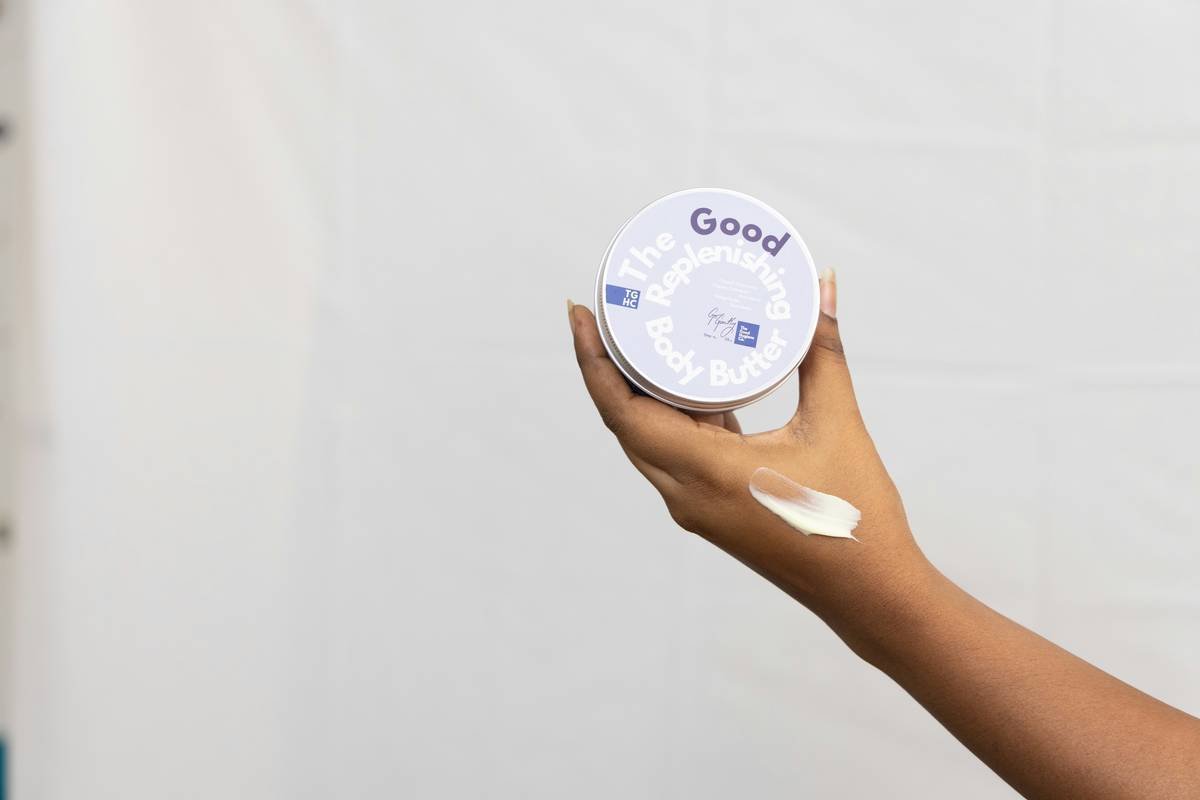
Face balms are occlusive heroes—but too much under makeup = pilling city. Use a pea-sized amount *only* on dry zones (cheeks, jawline) after your hydrating moisturizer has absorbed (wait 3–5 mins). Skip the T-zone unless you’re in sub-zero temps.
Pro Tips for Flawless, Long-Wearing Skin Under Makeup
- Wait before priming: Give your hydrating face moisturizer 5–7 minutes to absorb. Rushing = foundation balling up.
- Use a damp sponge to blend balm spots: Press (don’t drag!) a slightly wet Beautyblender over balm-treated areas to melt edges seamlessly.
- Avoid silicones over balms: Silicone-based primers + occlusive balms = slippery foundation that migrates by noon.
- Rehydrate midday: Keep a facial mist with glycerin (not just water!) in your bag. Spritz, then press—never rub—to refresh without disturbing makeup.
- Nighttime hack: Apply your hydrating moisturizer, then seal with balm as the final step. Wake up looking like you got 10 hours of sleep (even if you didn’t).
Terrible Tip Disclaimer: “Just mix your face balm into foundation for glow!” Nope. This dilutes pigment, weakens coverage, and guarantees separation by lunch. Don’t @ me—I’ve seen the fallout photos.
Rant Section: My Pet Peeve
Brands labeling thick, waxy balms as “hydrating moisturizers”?! Stop. You’re not fooling dermatologists—or anyone whose foundation just slid into their collarbone. Hydration requires water-binding molecules, not just “nourishing oils.” Call it what it is: a balm, an ointment, a treatment. Accuracy isn’t sexy—it’s ethical.
Real Results: How Switching Products Changed My Client’s Makeup Game
Last winter, “Maya” (32, combination skin, works in AC-heavy office) came to me frustrated: her full-coverage foundation looked “chalky and broken” by 11 a.m., despite using a “hydrating” cream she bought based on influencer hype.
We swapped her thick shea-butter balm for a lightweight hydrating face moisturizer with 2% glycerin + sodium hyaluronate (applied to damp skin), then added a rice-grain-sized dab of balm only to her flaky nasolabial folds. Result? Her foundation lasted 10+ hours without patchiness, and her concealer didn’t crease.
She texted me: “I finally understand why you kept yelling about humectants!”
FAQs About Hydrating Face Moisturizers & Face Balms
Can I use a face balm instead of a hydrating face moisturizer?
No. Balms lack humectants—they seal but don’t hydrate. Using balm alone on dehydrated skin traps dryness, worsening flakiness under makeup.
Is a hydrating face moisturizer good for oily skin?
Yes! Oily skin can still be dehydrated (shiny yet tight). Look for oil-free, gel-based formulas with hyaluronic acid—hydration balances sebum production.
When should I apply face balm in my routine?
As the last skincare step—after serums, moisturizer, and before SPF (AM) or alone (PM). Never under sunscreen; it blocks UV filter absorption.
Can I wear face balm under makeup?
Only in tiny amounts on very dry patches—and only after your hydrating moisturizer sets. Avoid under powder or full-coverage bases.
What’s the best hydrating face moisturizer for sensitive skin?
Fragrance-free, minimal-ingredient formulas with glycerin and ceramides (e.g., CeraVe Moisturizing Cream or Vanicream Daily Facial Moisturizer). Patch-test first!
Conclusion
A true hydrating face moisturizer isn’t just another step—it’s the invisible canvas that makes your makeup look airbrushed, not accidental. Pair it wisely with face balms (used sparingly!), and you’ll stop fighting flakiness and start getting compliments on your “lit-from-within” glow—even at 4 p.m. on a Zoom call.
Remember: hydration brings the water, moisturization keeps it there, and balms are emergency responders for barrier breaches. Use them in harmony, and your skin (and foundation) will thank you.
Now go forth—and may your cheekbones stay dewy, not dusty.
Like a Tamagotchi, your skin needs daily care… and way less glitter primer.