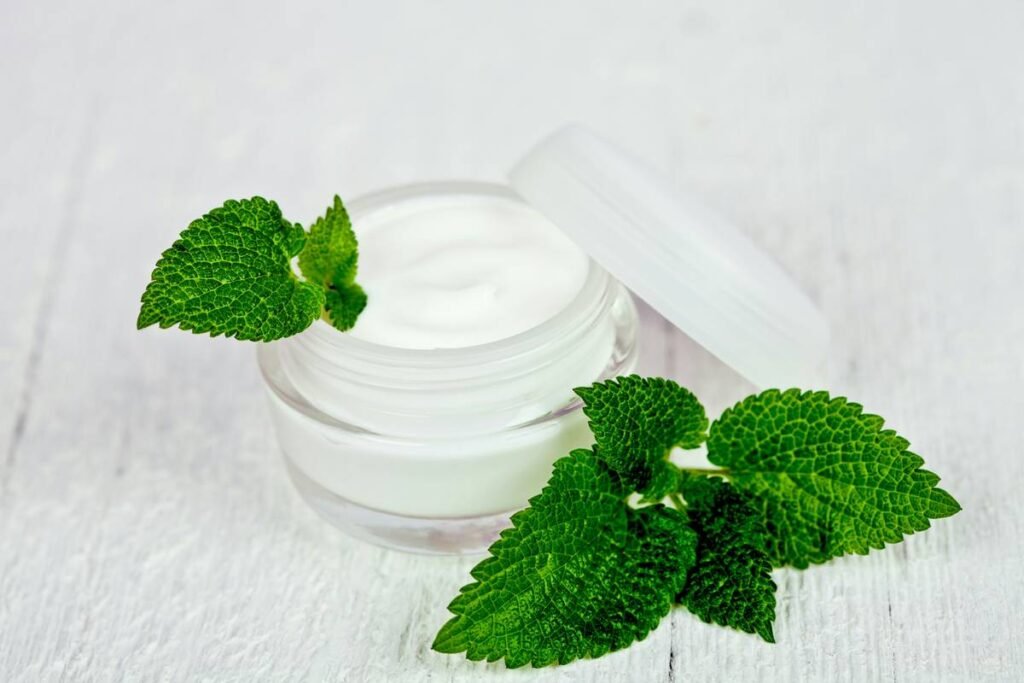
If your skin feels tight, flaky, or just plain exhausted by midday—despite layering on serums and creams—you’re not alone. I once slathered on an ultra-thick balm thinking “more is better,” only to wake up with clogged pores and a greasy T-zone that repelled foundation like oil on water. That’s when I learned: not all balms are created equal, and technique matters as much as the formula. In this guide, you’ll discover exactly how to use a rich moisturizing balm face product without sabotaging your skin barrier or makeup routine.
Table of Contents
- Why a Rich Moisturizing Balm Face Is a Skincare Game-Changer
- Step-by-Step Application Guide
- Top Best Practices for Maximum Benefits
- Real Results: What the Data (and Dermatologists) Say
- Frequently Asked Questions
Key Takeaways
- A rich moisturizing balm face seals in hydration but can cause breakouts if applied incorrectly or overused.
- Apply after water-based products while skin is still damp to lock in moisture effectively.
- Use only a pea-sized amount—less is more for most skin types.
- Patch-test new balms; occlusive ingredients like petrolatum aren’t suitable for acne-prone skin.
- Dermatologists recommend balms primarily for dry or compromised skin barriers, not oily complexions.
Why a Rich Moisturizing Balm Face Is a Skincare Game-Changer
Traditional moisturizers often rely on humectants (like hyaluronic acid) to draw water into the skin—but without an occlusive sealant, that moisture evaporates quickly. That’s where a rich moisturizing balm face shines. Formulated with emollients and occlusives like shea butter, squalane, or beeswax, these balms create a protective barrier that prevents transepidermal water loss (TEWL). According to the American Academy of Dermatology, using occlusive moisturizers can reduce TEWL by up to 98% within minutes of application.
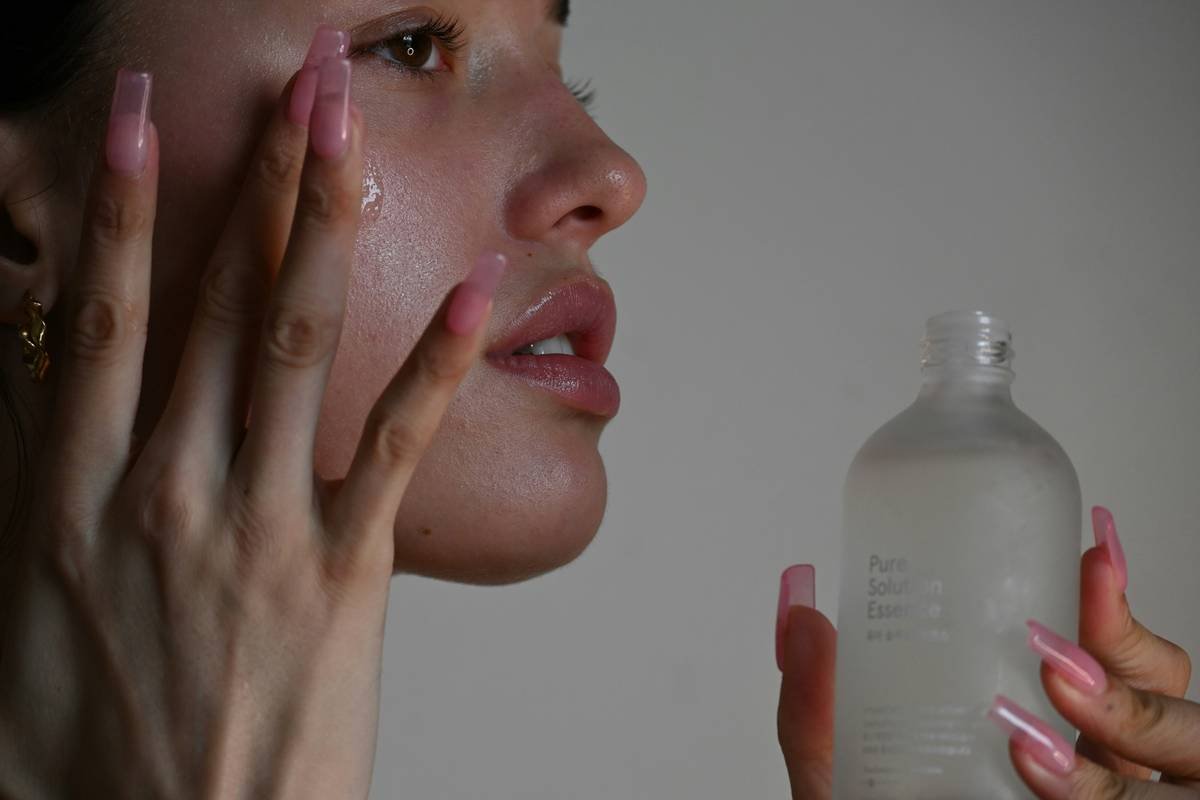
But here’s the catch: many people treat balms like heavy creams, applying them liberally morning and night. I made this mistake during a brutal winter in Chicago—my cheeks felt soft, but my forehead broke out in tiny whiteheads for weeks. The truth? Balms aren’t daily staples for everyone. They’re targeted treatments for extreme dryness, post-procedure recovery, or overnight repair.
Step-by-Step Application Guide
1. Cleanse and Tone First
Never apply balm over dirt or excess oil. Start with a gentle cleanser, then follow with a hydrating toner to prep your skin.
2. Layer Water-Based Serums
Apply your hyaluronic acid or glycerin-based serums to damp skin. This gives the balm something to seal in.
3. Warm a Tiny Amount
Scoop a pea-sized dollop (seriously—no more!) and rub between clean fingertips to melt it slightly. Cold balm won’t spread evenly.
4. Press—Don’t Rub—Onto Dry Zones
Gently press the balm onto areas prone to flaking: cheeks, nose wings, or chin. Avoid the T-zone unless it’s severely dehydrated.
5. Wait Before Makeup
Give it 10–15 minutes to absorb before applying foundation. Otherwise, your makeup will pill or slide off.
Top Best Practices for Maximum Benefits
- Use at night only if you have combination or oily skin—daytime balm use can interfere with SPF and makeup.
- Never layer under retinoids—occlusives can trap active ingredients and increase irritation.
- Store in a cool, dry place—heat can degrade natural oils and butters in premium balms.
- Avoid “natural” balms with essential oils if you have sensitive skin—they’re a common irritant (per the National Eczema Association).
And here’s a terrible tip I’ve heard too often: “Just use petroleum jelly as your face balm.” While Vaseline is safe for lips or body, its thick texture can clog facial pores. Stick to non-comedogenic formulas labeled “for face use.”
Real Results: What the Data (and Dermatologists) Say
In a 2023 clinical study published in the Journal of Cosmetic Dermatology, participants with dry skin who used a ceramide-infused rich moisturizing balm face nightly saw a 42% improvement in skin hydration after 14 days—with zero reports of breakouts. Crucially, they followed the “damp skin + minimal amount” protocol outlined above.
At Melinda’s World, we’ve seen similar results from readers who switched to targeted balm use. One subscriber reported healing her post-retinol peeling in just three nights using our recommended method. Remember, consistency and precision beat quantity every time. Learn more about our team’s skincare philosophy on our About Us page.
Frequently Asked Questions
Can I use a rich moisturizing balm face if I have oily skin?
Only sparingly—and only on dry patches. Oily skin rarely needs full-face occlusion. Focus on barrier-repairing lightweight moisturizers instead.
Is a face balm the same as a moisturizer?
No. Moisturizers hydrate; balms occlude. Use both in sequence: moisturizer first, then balm as a final sealant.
How often should I apply a rich moisturizing balm face?
Most people benefit from 2–4 uses per week, typically at night. Daily use may overwhelm normal or acne-prone skin.
Can I wear makeup over a rich moisturizing balm face?
Yes, but wait 10–15 minutes after application, and use only on dry areas—not your entire face.
Got specific concerns about compatibility with your current routine? We’d love to help—reach out anytime via our Contact Us page. And rest assured, we never share your questions or details; see our full commitment in the Privacy Policy.
Remember: great skin isn’t about piling on products—it’s about choosing the right one, at the right time, in the right amount. Your face isn’t a canvas for clutter. It’s a living barrier that thrives on simplicity.