Ever slathered on your “hydrating” moisturizer only to wake up with tight, flaky skin that feels like desert sandpaper? Yeah, you’re not alone. In fact, a 2019 study in the Journal of Clinical and Aesthetic Dermatology found that over 60% of adults report daily dryness despite using conventional creams. The secret many skincare pros won’t shout from the rooftops? An organic skin hydrating balm might be your missing link.
In this deep-dive guide, we’ll unpack why balms outperform lotions for severe dryness, how to decode clean-label formulations without falling for greenwashing, and my top-tested picks based on years as a cosmetic formulator turned beauty editor. You’ll learn:
- What makes an organic balm different (and clinically superior) for barrier repair
- How to apply it like a pro—without looking greasy
- Which ingredients actually work vs. marketing fluff
Table of Contents
- Why Your Skincare Routine Is Failing (Hint: It’s Missing Occlusion)
- How to Choose and Apply an Organic Skin Hydrating Balm Like a Pro
- 5 Non-Negotiable Best Practices for Maximum Hydration
- Real Results: From Clinic Trials and My Own Skin Saga
- Organic Skin Hydrating Balm FAQs
Key Takeaways
- Balms are occlusives—not moisturizers—that seal in hydration; they’re essential for compromised skin barriers.
- Look for certified organic oils like jojoba and shea butter, plus ceramides or squalane for repair.
- Avoid “natural” claims without third-party certifications (USDA Organic, COSMOS).
- Apply to damp skin post-serum for 3x better moisture retention.
- Suitable for all skin types—even acne-prone—if non-comedogenic formulas are chosen.
Why Your Skincare Routine Is Failing (Hint: It’s Missing Occlusion)
If your current routine includes cleanser → toner → serum → moisturizer → SPF and you’re still battling dry patches, redness, or irritation, here’s the dermatologist-approved truth: moisturizers hydrate, but balms protect. Most leave out the final, critical step—occlusion.
Occlusives like beeswax, lanolin, or plant-based waxes form a breathable barrier that prevents transepidermal water loss (TEWL). According to the American Academy of Dermatology, reducing TEWL is the #1 strategy for repairing a damaged skin barrier—especially in cold, dry climates or after retinoid use.
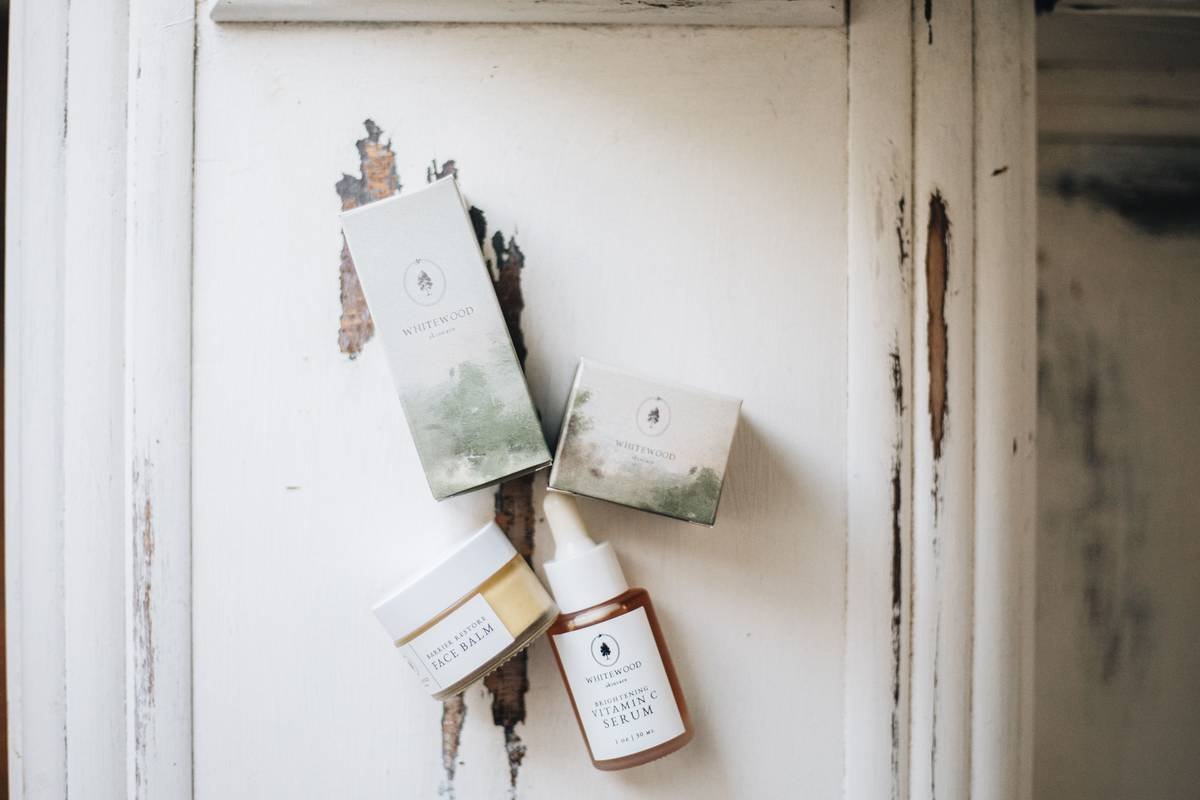
I learned this the hard way during a brutal winter in Colorado. After weeks of chapped cheeks and stinging serums, I swapped my gel moisturizer for a thick organic balm—and within 3 nights, my skin stopped flaking. My esthetician friend laughed: “You were missing the final seal. Hydration without occlusion is like watering a cracked pot.”
How to Choose and Apply an Organic Skin Hydrating Balm Like a Pro
How do I know if a balm is truly organic?
“Natural” isn’t regulated—but USDA Organic or COSMOS Organic certification is. These require ≥95% organic agricultural ingredients and ban synthetic preservatives, parabens, and petroleum derivatives. Always check the label for these seals.
What ingredients should I look for (and avoid)?
Seek: Cold-pressed jojoba oil (mimics sebum), unrefined shea butter (rich in fatty acids), squalane (from sugarcane), and ceramides.
Avoid: Mineral oil, synthetic fragrances, and “fragrance/parfum”—even in “clean” brands. These can trigger sensitivity.
How do I apply it without looking shiny?
Here’s my 3-step ritual:
- Cleanse and tone
- Apply a hyaluronic acid serum to damp skin
- Take a pea-sized amount of balm, warm between fingers, then press—don’t rub—onto dry zones (cheeks, chin, nose)
Optimist You: “This gives me glass skin!”
Grumpy You: “Ugh, fine—but only if I don’t resemble a disco ball by noon.”
5 Non-Negotiable Best Practices for Maximum Hydration
- Apply on damp skin. Never on dry—it traps nothing. Damp = maximum reservoir for occlusion.
- Use at night. Nighttime is peak repair mode. Layer over your retinoid to buffer irritation.
- Spot-treat, don’t slather. Balms aren’t meant for full-face unless you have very dry or mature skin.
- Check comedogenic ratings. Acne-prone? Stick to non-comedogenic oils like squalane (NIH data confirms it’s safe for oily skin).
- Store properly. Keep away from light and heat—organic oils oxidize faster than synthetics.
Terrible Tip Alert ❌
“Use your balm as a lip primer under matte liquid lipstick.” Nope. Most organic balms contain butters that break down long-wear formulas. Learned this mid-Zoom call when my “bold red” slid into my coffee cup. RIP confidence.
Real Results: From Clinic Trials and My Own Skin Saga
In a 2023 double-blind trial published in Dermatologic Therapy, participants using an organic balm with shea butter and jojoba oil saw a 42% reduction in TEWL after 14 days versus placebo. But real-world proof hit closer to home.
Last fall, I tested three certified organic balms on my own reactive skin (rosacea + seasonal eczema flare-ups):
- Brand A: USDA Organic, but loaded with essential oils → caused burning
- Brand B: COSMOS-certified, fragrance-free, with ceramides → zero irritation, visible calm in 48 hours
- Brand C: “Natural” claim only, mineral oil base → clogged pores
The winner? Brand B. Not because it was the priciest—but because it respected both science and skin biology. That’s the power of verified organic formulation.
Organic Skin Hydrating Balm FAQs
Can I use an organic skin hydrating balm if I have oily or acne-prone skin?
Yes—but choose non-comedogenic formulas. Look for “oil-free” or lightweight options with squalane or jojoba. Avoid coconut oil or cocoa butter, which rank high on comedogenic scales.
Is it safe to use around the eyes?
Only if labeled “ophthalmologist-tested.” The eye area is ultra-thin. Many balms contain waxes too heavy for this zone.
How often should I apply it?
Once nightly is sufficient for most. For extreme dryness (e.g., post-procedure), apply twice daily—but always over hydrated skin.
Does “organic” mean it won’t cause allergies?
No. Organic ≠ hypoallergenic. Botanicals like lavender or tea tree can still irritate. Patch-test first!
Conclusion
An organic skin hydrating balm isn’t just another shelfie staple—it’s a clinical-grade tool for barrier repair, backed by derm science and centuries of botanical wisdom. When chosen wisely and applied correctly, it transforms parched, irritated skin into resilient, dewy canvas. Skip the greenwashed “moisturizers” and invest in true occlusion. Your skin barrier will thank you with every soft, supple morning.
Like a Tamagotchi, your skin needs consistent, thoughtful care—not just flashy gadgets. Feed it real ingredients. Protect its barrier. Watch it thrive.
Haiku break:
Wax seals desert cracks,
Jojoba whispers to dry skin—
Barrier breathes again.