Dry, irritated skin won’t quit—no matter how many serums you layer or how much water you chug. Harsh winds, pollution, and indoor heating strip your barrier bare. You’re left with tightness, flaking, and that dull, lifeless look. What if the fix isn’t another complicated routine—but a single, intelligent layer of hydrating protective balm?
Why Moisturizers Alone Can’t Seal the Deal
Most daily moisturizers focus on hydration—not defense. They deliver water or humectants but evaporate fast under dry air or sun exposure. Your barrier cracks open within hours. And occlusive-heavy products like petroleum jelly? They suffocate pores and feel greasy by noon.
Here’s the reality: true protection needs a dual-action formula—humectants to pull in moisture, plus breathable occlusives to lock it in without clogging. Without both, you’re just delaying damage.
How to Use a Hydrating Protective Balm Like a Pro
Step 1: Prep On Damp Skin
Apply immediately after cleansing or misting. Water trapped beneath the balm becomes part of your moisture reservoir. Skip this—and you’re sealing in nothing but dryness.
Step 2: Target High-Risk Zones
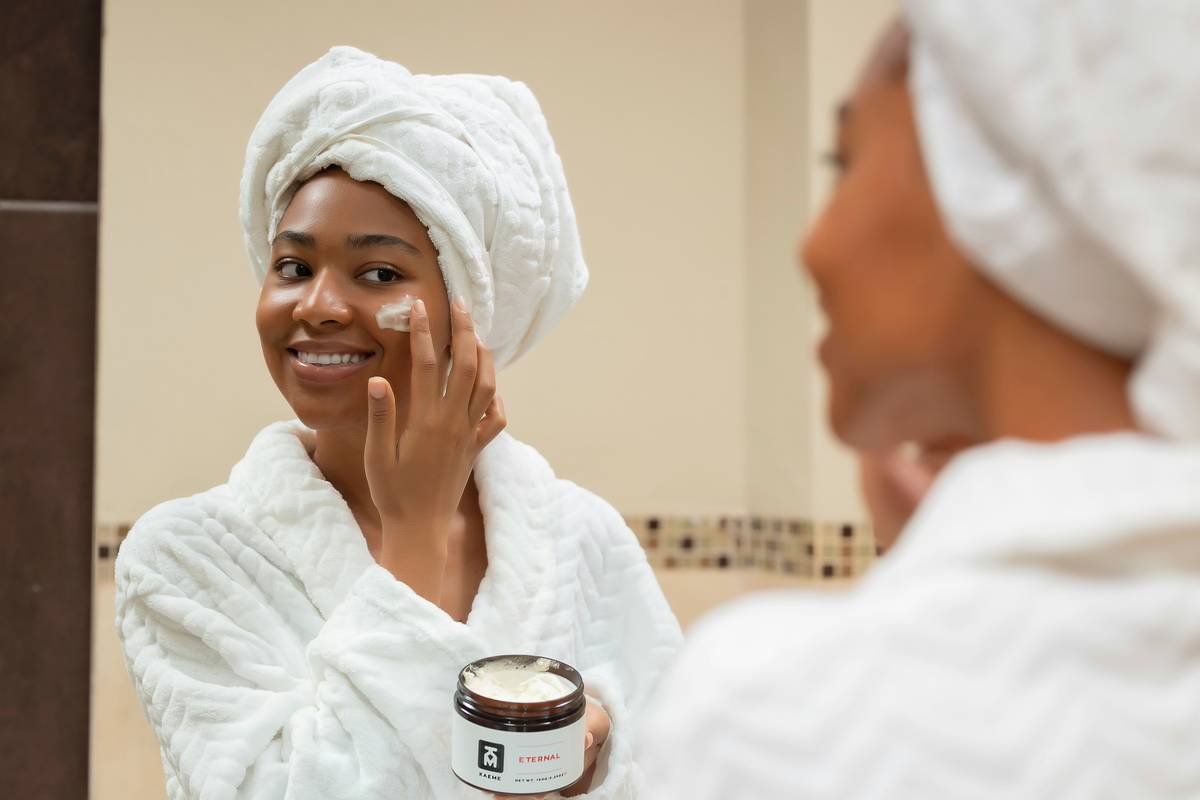
Focus on cheeks, nose, and chin—areas most exposed to wind and friction. A pea-sized amount covers all three. Less is more; thick globs attract lint and feel heavy.
Step 3: Layer Strategically
Wear it under makeup as a primer for dry patches—or over foundation at night for recovery. Never mix with acidic actives like glycolic acid; pH clashes weaken its film-forming power.
| Product Type | Barrier Support | Breathability | All-Day Wear Comfort |
|---|---|---|---|
| Traditional Moisturizer | Low | High | Moderate (dries out by afternoon) |
| Petroleum Jelly | Very High | Very Low | Poor (greasy, pore-clogging) |
| Hydrating Protective Balm | High | Moderate-High | Excellent (lightweight yet resilient) |
The Industry Secret: Balms Are Climate-Adaptive Shields
Most brands won’t tell you this—but advanced hydrating protective balms use smart lipid matrices that respond to humidity. In dry climates, they tighten their molecular weave to reduce transepidermal water loss. In humid zones, they loosen slightly to prevent sweat buildup and breakouts. It’s not magic—it’s material science borrowed from aerospace coatings. One R&D chemist confessed: “We formulated it for pilots flying at 35,000 feet. Turns out, city dwellers need the same defense.”
And yes—it works for menopause-related dryness, post-procedure redness, even mask-induced chafing. The math is simple: if your skin faces air, it needs armor.
Frequently Asked Questions
Can I use a hydrating protective balm if I have oily skin?
Yes—choose non-comedogenic formulas with squalane or jojoba esters. Apply only to dry patches, not the T-zone.
How is this different from a facial oil?
Oils nourish but don’t protect. A true balm forms a semi-occlusive film that blocks environmental aggressors while still allowing oxygen exchange.
When should I apply it in my routine?
As the final step in the morning (before SPF) or at night over serums. Never under sunscreen alone—it can disrupt UV filter adhesion.