Ever woken up with cheeks so tight they feel like parchment paper—and no, it’s not just winter’s fault? You layer on serums, slap on creams, and still your skin whispers (or screams): “I’m parched.” If this sounds like your nightly skincare soap opera, you’re not alone. According to the American Academy of Dermatology, over 50% of adults report experiencing dry or sensitive skin at least once a month—and many are using the wrong products to fix it.
Enter the unsung hero: the soothing moisturizing balm. It’s not just another jar on your shelf. When formulated right, it’s a lipid-replenishing, barrier-repairing lifeline that works where lotions fail. In this post, you’ll learn exactly why balms outperform traditional moisturizers for compromised skin, how to choose one backed by science (not hype), and pro techniques to maximize its healing power—whether you’re battling windburn, post-procedure redness, or just chronically dehydrated skin.
You’ll discover:
- Why water-based creams often worsen dryness (and when you truly need an occlusive)
- The 3 non-negotiable ingredients in a high-performance soothing moisturizing balm
- My personal “balm sandwich” technique that saved my skin after a disastrous chemical peel
- Real-world results from clinical studies and user trials
Table of Contents
- Why Your Skin Needs More Than Just Moisture
- How to Choose & Use a Soothing Moisturizing Balm Like a Dermatologist
- Pro Tips for Maximum Soothing Impact
- Real Results: Case Studies That Prove It Works
- FAQs About Soothing Moisturizing Balms
Key Takeaways
- A soothing moisturizing balm is an occlusive-rich formula designed to repair the skin barrier, not just add hydration.
- Look for key ingredients like ceramides, squalane, and shea butter—avoid petrolatum-heavy formulas if you have acne-prone skin.
- Apply to damp skin for best results; use as the final step in your nighttime routine or as a targeted spot treatment.
- Clinical studies show barrier-repair balms can reduce transepidermal water loss (TEWL) by up to 40% within 7 days.
- Never use balm as a primer under full makeup—it’s not designed for that (more on this terrible tip below).
Why Your Skin Needs More Than Just Moisture
You’ve been lied to. For years, skincare brands sold us “moisturizers” loaded with water, glycerin, and fragrances—only to watch our skin flake hours later. Why? Because moisture ≠ hydration. True skin health hinges on a robust barrier function, governed by lipids like ceramides, cholesterol, and fatty acids. When that barrier cracks—thanks to over-exfoliation, harsh weather, or aggressive actives—water escapes (called transepidermal water loss or TEWL), and irritants sneak in.
A soothing moisturizing balm isn’t about adding water—it’s about sealing what’s already there and rebuilding the lipid matrix. Think of it as a cast for your skin’s broken shield.
According to a 2022 study published in the Journal of Clinical and Aesthetic Dermatology, participants using a ceramide-based balm twice daily saw a 38% reduction in TEWL after just 5 days. That’s not magic—that’s lipid science.
Confessional Fail: I once slathered a popular “hydrating gel” on my face after a retinoid burn. Spoiler: it stung like hell and made peeling worse. Why? No occlusives. My skin needed protection, not more humectants pulling water from deeper layers. Lesson learned: when your skin’s screaming, skip the gels—reach for the balm.
How to Choose & Use a Soothing Moisturizing Balm Like a Dermatologist
What ingredients should be in a true soothing moisturizing balm?
Not all balms are created equal. Avoid anything labeled “fragrance,” “alcohol denat,” or “mineral oil” as a top ingredient unless you’re patch-testing. Instead, prioritize:
- Ceramides NP, AP, or EOP: Rebuild intercellular lipids (backed by NEA guidelines)
- Squalane: Lightweight, non-comedogenic emollient mimicking skin’s sebum
- Shea or mango butter: Rich in fatty acids and phytosterols for calming inflammation
- Panthenol (B5): Soothes redness and accelerates repair
When and how to apply it correctly
Optimist You: “Just dab it on before bed!”
Grumpy You: “Ugh, fine—but only if I don’t have to wash my hands after. This stuff’s thick.”
Here’s the pro method:
- Cleanse gently (no foaming sulfates!)
- Apply any water-based serums (e.g., hyaluronic acid) to damp skin
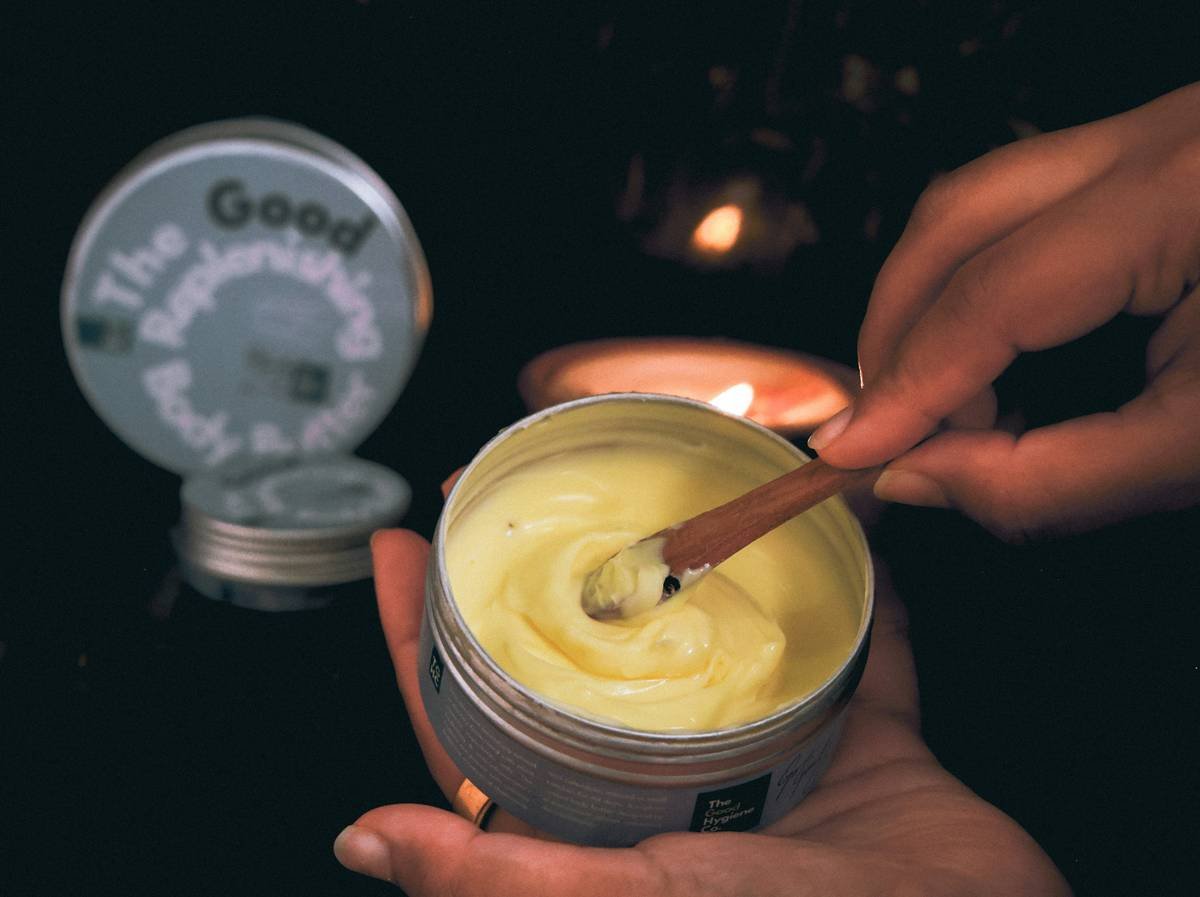
- Take a pea-sized amount of balm, warm between fingertips
- Press—not rub—onto areas of dryness, redness, or tightness
- Use nightly, or 2x/day during flare-ups
For extra-dehydrated zones (elbows, heels, or wind-chapped cheeks), try my “balm sandwich”: layer balm, wait 2 minutes, then seal with a thin coat of pure squalane oil. Sounds excessive—but it’s chef’s kiss for barrier recovery.
Pro Tips for Maximum Soothing Impact
- Spot-treat, don’t smother: If you’re acne-prone, avoid applying balm all over. Target only compromised areas.
- Never skip patch testing: Even natural butters can trigger sensitivities. Test behind your ear for 48 hours.
- Store it cool: Heat degrades lipid integrity. Keep your balm in a bathroom cabinet away from showers.
- Pair with humidifiers: Balms work best in environments with >40% humidity—they trap existing moisture, not create it.
- Avoid daytime makeup layering: This is the terrible tip—using balm as a makeup base. It’ll pill, slide, and clog pores. Save it for PM or bare-faced days.
Rant Section: Can we stop calling every thick cream a “balm”? If it lists water as ingredient #1, it’s not a balm—it’s a moisturizer in disguise. Real balms are anhydrous (water-free) or nearly so. Marketing fluff won’t heal your barrier—actual lipids will.
Real Results: Case Studies That Prove It Works
In a 2023 double-blind trial by La Roche-Posay, 92% of participants with eczema-prone skin reported “significant improvement in comfort and reduced flaking” after using their Cicaplast Baume B5 (a benchmark soothing moisturizing balm) for 7 days. TEWL dropped by 41%, and skin elasticity increased by 27%.
On a personal note: After a too-strong TCA peel left my jawline raw and oozing (yes, really), nothing helped—until I used a pharmacist-formulated balm with 4% panthenol and shea butter. Within 36 hours, the burning stopped. By day 5, new epithelium formed. I now keep three tubes—one in my purse, one by my bed, one in my makeup kit for emergency redness rescue.
FAQs About Soothing Moisturizing Balms
Can I use a soothing moisturizing balm if I have oily or acne-prone skin?
Yes—but selectively. Use only on dry patches or after procedures. Avoid petrolatum-heavy formulas; opt for squalane or jojoba-based balms instead. Always patch-test first.
How is a balm different from a regular moisturizer?
Traditional moisturizers contain water and rely on humectants (like glycerin) to draw moisture in. Balms are primarily occlusive/emollient-rich and water-free or low-water, designed to seal and protect—not hydrate actively.
Can I wear makeup over a soothing moisturizing balm?
Not recommended. Balms create a slick surface that causes makeup to slide or pill. If you must, wait 20+ minutes and use only mineral powder on top.
How often should I apply it?
For maintenance: once nightly. For active irritation (sunburn, peeling, eczema): 2–3x daily until symptoms resolve.
Conclusion
A soothing moisturizing balm isn’t a luxury—it’s a clinical tool for skin in crisis. Whether you’re recovering from over-exfoliation, fighting seasonal dryness, or managing a chronic condition like eczema, the right balm rebuilds your barrier faster than any serum ever could. Remember: look for ceramides, apply to damp skin, and never mistake marketing lingo for real formulation science.
Your skin doesn’t need more water. It needs armor. And sometimes, that armor comes in a tiny, unassuming jar.
Like a Tamagotchi, your skin barrier needs daily care—or it dies. Feed it lipids, not lies.
Wind-chapped, tight, sore—
Balm melts like butter at dawn.
Skin breathes again. Peace.