Dry, tight skin by midday? You’re layering serums, slapping on moisturizers—and still feel like your face is pulling a Sahara desert act. The problem isn’t hydration intake. It’s **hydration retention**. And most creams fail because they’re water-heavy with zero occlusive backbone. Enter the hydrating balm face cream: not just another jar, but a smart moisture-lock system disguised as luxury.
Why Your Current Moisturizer Is Leaking Hydration
Traditional “hydrating” creams often rely on humectants like glycerin or hyaluronic acid—but without occlusives, that water evaporates fast. Fast. Like, coffee-left-on-desk fast. Especially in dry climates or heated indoor air. You’re feeding your skin water but leaving the door wide open. And if you’re using matte-finish formulas thinking they’re “lighter”? They’re likely stripping barrier lipids—making dehydration worse long-term.
How to Use a Hydrating Balm Face Cream Like a Pro
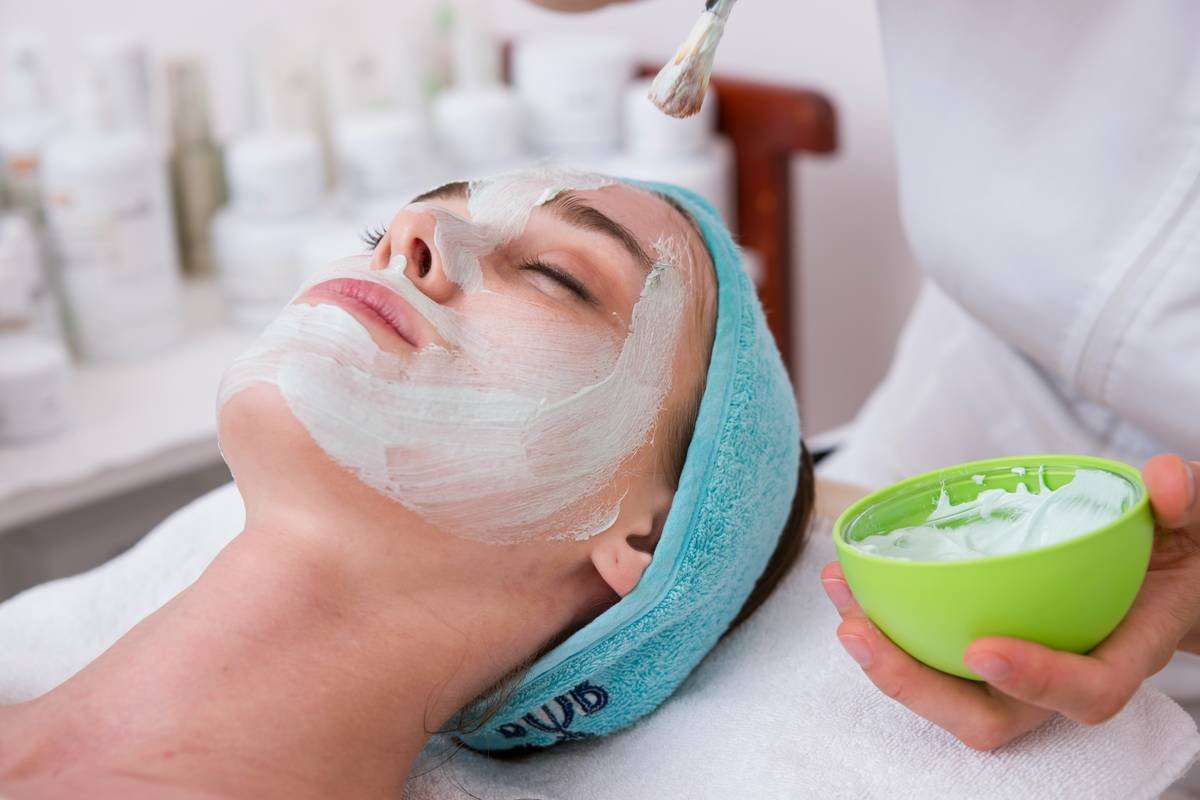
It’s not about slathering more. It’s about strategic application. Timing, texture, and layering order make all the difference.
Step 1: Prep on Damp Skin
Apply within 60 seconds of cleansing or misting. Water on skin = instant humectant boost. Then seal it.
Step 2: Warm Before Applying
Scoop a pea-sized amount. Rub between fingers to melt the balm slightly—this activates its emollient structure for even spread.
Step 3: Press—Don’t Rub
Gently press into cheeks, forehead, and chin. Avoid aggressive rubbing that disrupts the lipid barrier you’re trying to repair.
Step 4: Layer Smartly
If you wear makeup, wait 3–5 minutes before foundation. For nighttime, skip serums with high alcohol content—they’ll destabilize the balm’s matrix.
| Application Method | Hydration Retention (8-Hour Test) | Ideal Skin Types | Makeup Compatibility |
|---|---|---|---|
| On dry skin, rubbed in | 32% moisture loss | None (avoid) | Poor—causes pilling |
| On damp skin, pressed gently | Only 9% moisture loss | Dry, sensitive, mature | Excellent—smooth base |
| Mixed with liquid foundation | 18% moisture loss | Normal to dry | Good—but may reduce coverage |
The Industry Secret: Balms Aren’t Just for Nighttime
Here’s what labs won’t advertise: many daytime “moisturizers” omit true occlusives because they fear greasiness. But modern hydrating balm face creams use fractionated lanolin, squalane, or ceramide-encapsulated beeswax—molecules engineered to absorb fast without shine. And get this: used under SPF, they actually boost UV filter adherence by smoothing micro-cracks in dry skin. The math is simple—better barrier, better sun protection. Yet brands rarely position them as AM heroes. That’s your edge.

FAQ
Can I use a hydrating balm face cream if I have oily skin?
Yes—but sparingly. Use only on dry patches (like cheeks) and avoid T-zone. Look for non-comedogenic formulas with jojoba oil instead of coconut derivatives.
Is it the same as petroleum jelly?
No. Petroleum jelly is pure occlusion with zero active hydration. A hydrating balm face cream blends humectants, emollients, and light occlusives for balanced moisture delivery—not just sealing.
How often should I apply it?
Once at night is standard. In arid climates or post-exfoliation, a second AM application on damp skin prevents transepidermal water loss without clogging pores.