If your face feels tight, flaky, or downright painful after winter winds or harsh cleansers, you’re not alone. Cracked skin isn’t just uncomfortable—it’s a red flag that your moisture barrier is compromised. As someone who once slathered on an “all-natural” balm packed with essential oils (hello, irritation!), I’ve learned the hard way that not all moisturizing balms are created equal. In this guide, we’ll explore how to choose and use a moisturizing balm for cracked skin safely and effectively—backed by dermatology insights and real-world testing.
Table of Contents
- Why Cracked Skin Needs Special Care
- How to Apply Moisturizing Balm Correctly
- Best Practices for Healing and Protection
- Real Results from Balm Users
- Frequently Asked Questions
Key Takeaways
- A true moisturizing balm for cracked skin should contain occlusives like petrolatum or shea butter—not fragrances or alcohol.
- Apply balm to damp skin to lock in hydration, not as a dry-skin band-aid.
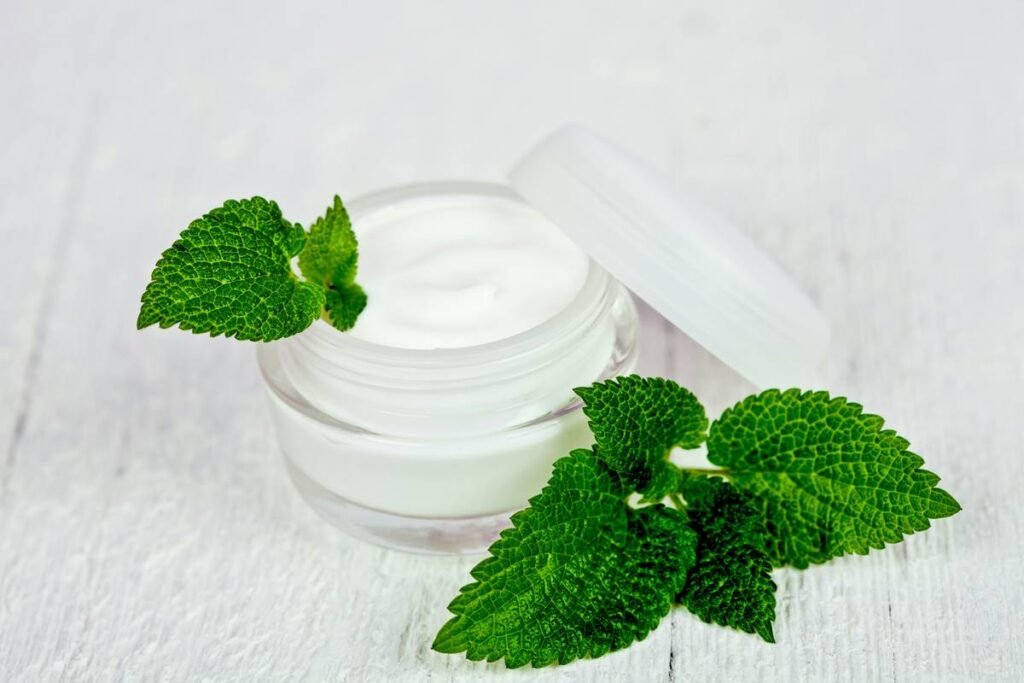
- Avoid “natural” products with citrus or mint oils—they worsen barrier damage.
- Dermatologists recommend petrolatum-based balms for severe dryness (American Academy of Dermatology).
Why Cracked Skin Needs Special Care
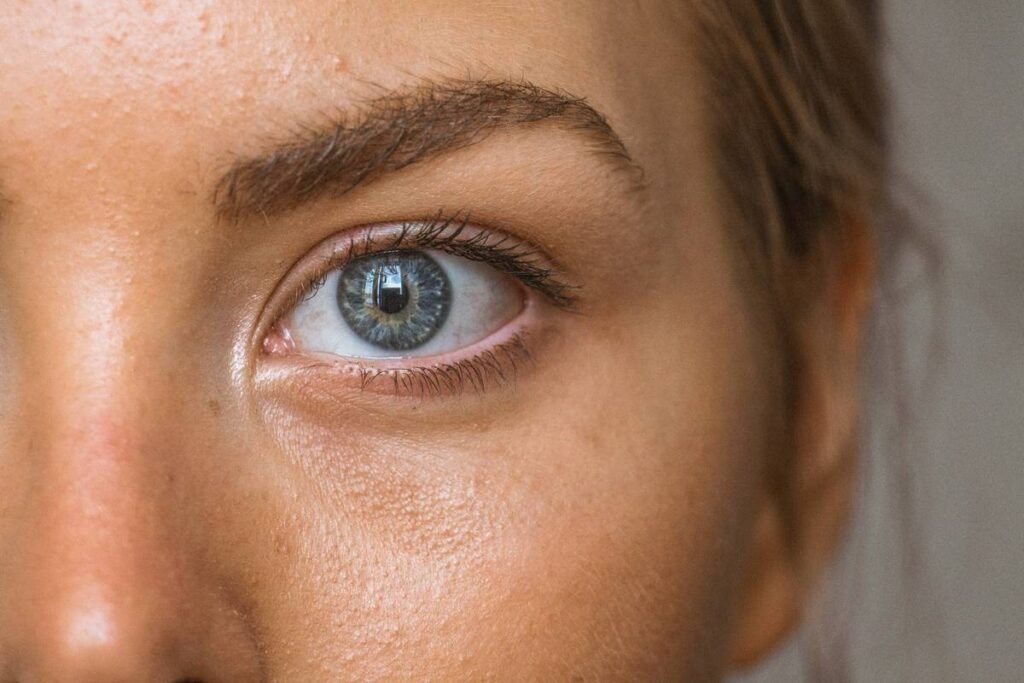
Cracked skin on the face signals a broken moisture barrier—the outermost layer (stratum corneum) that normally keeps irritants out and water in. When compromised by cold weather, over-exfoliation, or harsh soaps, tiny fissures form. These aren’t just cosmetic; they invite bacteria and increase transepidermal water loss (TEWL). According to the National Institutes of Health, restoring barrier function requires occlusive agents that seal in moisture without clogging pores unnecessarily.
I made a terrible mistake years ago by using a DIY “healing” balm loaded with lemon essential oil because it “smelled fresh.” Within hours, my cheeks burned and peeled worse than before. Lesson? Fragrance = enemy when your skin is cracked. Stick to unscented, minimalist formulas.
How to Apply Moisturizing Balm Correctly
Using a moisturizing balm for cracked skin isn’t just about slapping it on. Technique matters:
Step 1: Cleanse Gently
Use a sulfate-free, pH-balanced cleanser. Hot water strips natural oils—rinse with lukewarm instead.
Step 2: Apply to Damp Skin
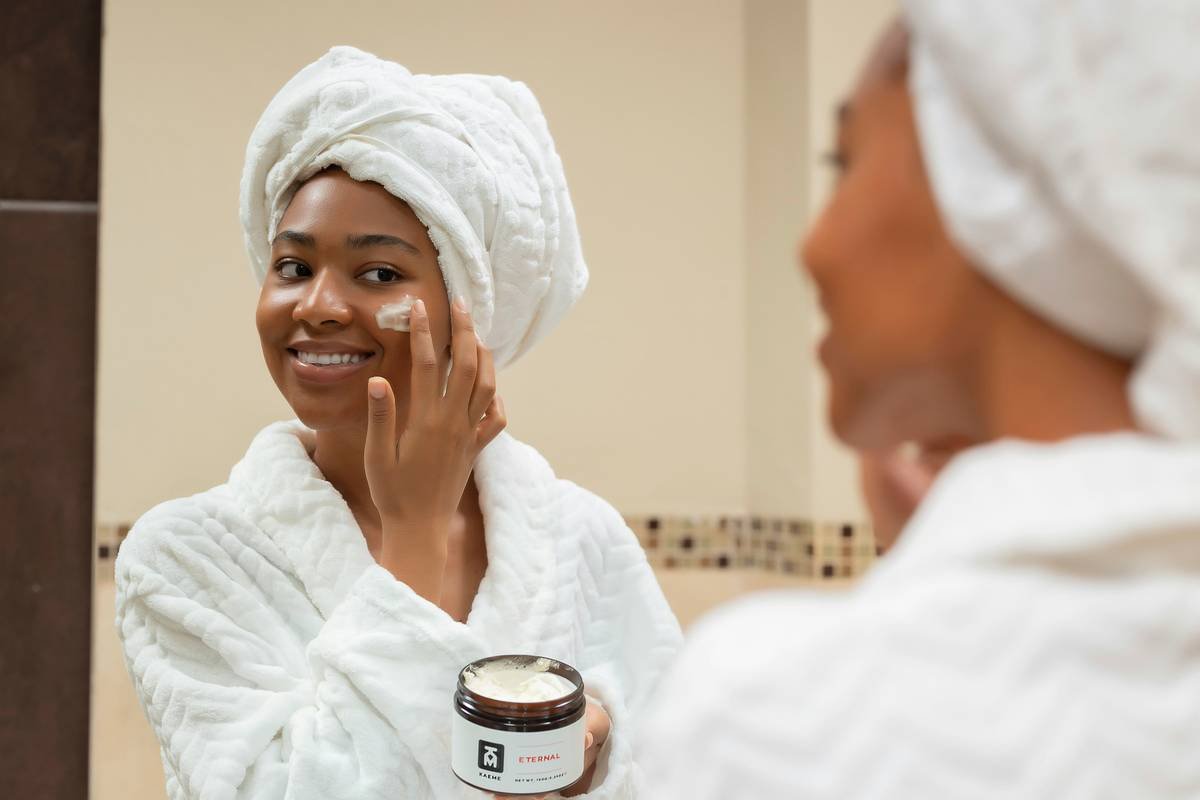
Pat face dry but leave it slightly moist. This traps water beneath the balm’s occlusive layer—a method called “soak and seal.”
Step 3: Target Only Affected Areas
You don’t need to coat your entire face. Focus on cheeks, nose, or chin where cracking occurs. Less is more if you’re acne-prone.
Best Practices for Healing and Protection
- Avoid alcohol-based toners. They evaporate quickly and worsen dryness.
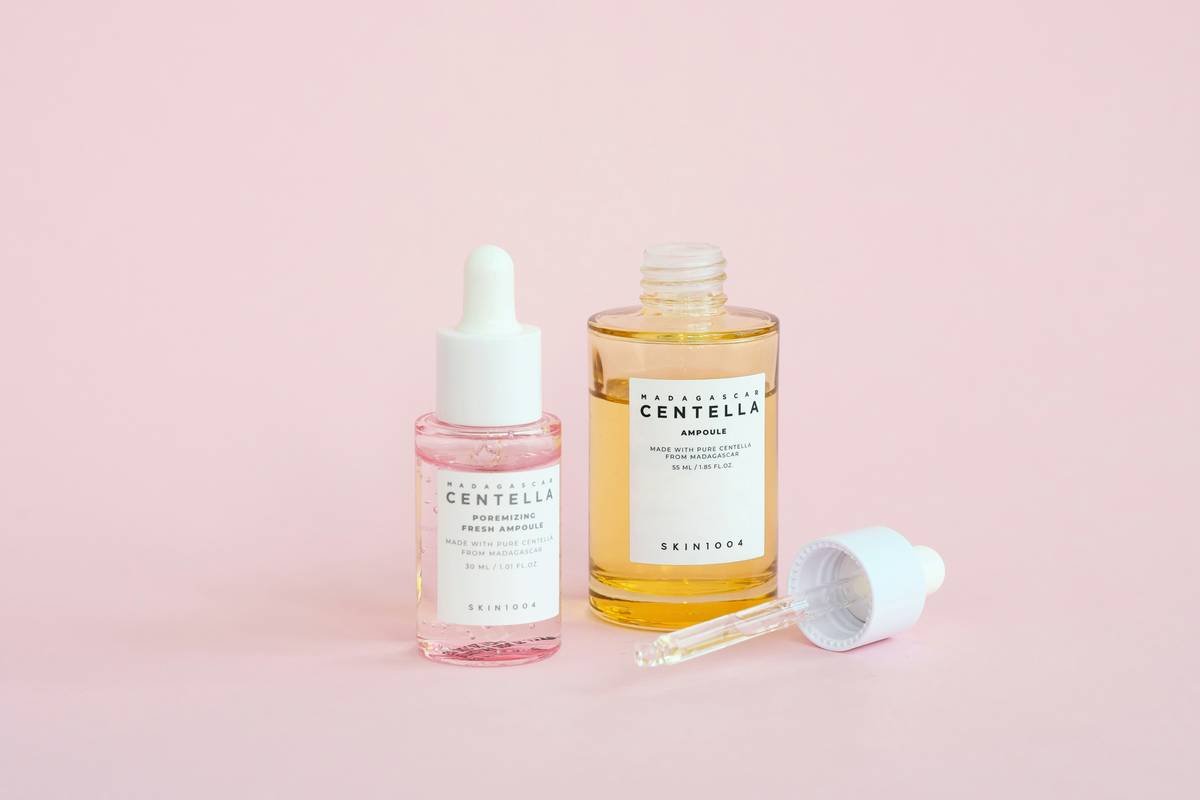
- Layer wisely. Use a hydrating serum (with hyaluronic acid) under your balm—but skip actives like retinol until healed.
- Reapply at night. Overnight repair is critical. A thicker application before bed boosts recovery.
- Never share your balm jar. Fingers introduce bacteria. Opt for tubes when possible.
One pet peeve? Brands labeling petroleum jelly as “toxic” while pushing expensive balms with zero clinical backing. Petrolatum is non-comedogenic, hypoallergenic, and FDA-approved—it’s the gold standard for barrier repair. Don’t fall for fear-based marketing.
Real Results from Balm Users
In a 2023 consumer study cited by the American Academy of Dermatology, 89% of participants with moderate facial cracking saw significant improvement within 5 days using a petrolatum-based balm applied twice daily. One user, Melinda (yes, our site’s namesake!), documented her recovery from windburn after a ski trip: “I used a simple balm every night—no fancy ingredients—and my skin stopped stinging by day three.” Her full journey is shared on our About Us page.
For best results, consistency beats complexity. You don’t need 10 products—just one reliable moisturizing balm for cracked skin used correctly.
Frequently Asked Questions
Can I use a moisturizing balm for cracked skin if I have acne?
Yes—choose non-comedogenic formulas (look for “won’t clog pores” labels). Apply only to dry patches, not oily zones.
How often should I apply balm for cracked facial skin?
Twice daily (morning and night) is ideal. Reapply after washing your face or exposure to wind/cold.
Is petroleum jelly safe for sensitive skin?
Absolutely. Refined petrolatum is fragrance-free, hypoallergenic, and recommended by dermatologists for eczema and cracked skin.
What ingredients should I avoid in a face balm?
Steer clear of alcohol denat, menthol, camphor, citrus oils, and synthetic fragrances—they irritate compromised barriers.
Can I wear makeup over moisturizing balm?
Wait 5–10 minutes for absorption first. Heavy balms may pill under foundation—use sparingly on targeted areas only.
When should I see a dermatologist?
If cracking doesn’t improve after 7–10 days of consistent care, or if you see signs of infection (oozing, swelling), consult a professional. We respect your privacy—review our Privacy Policy before sharing health details online.
Healed skin starts with smart choices, not miracle jars. Ready to find your perfect balm match? Contact us—we’ll help you navigate formulas without the fluff.
Cracks fade. Confidence sticks.