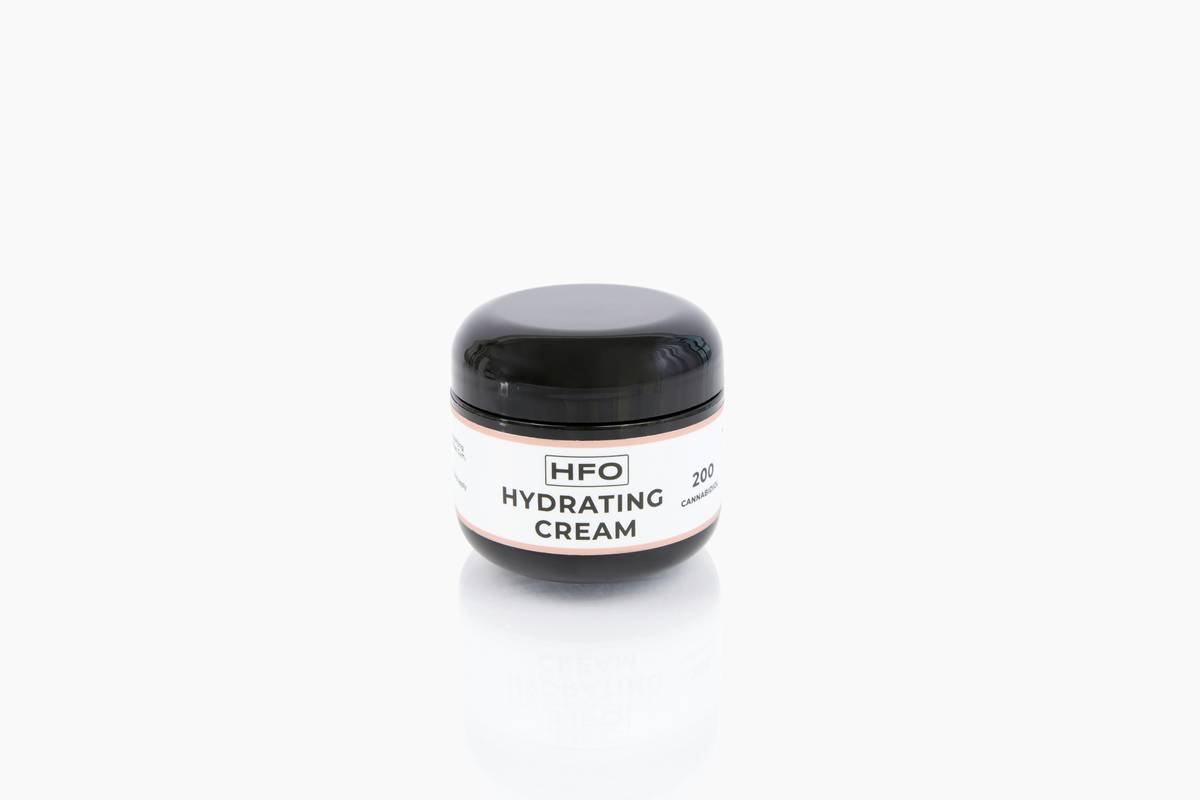
If your skin feels tight, flaky, or just plain parched—especially after a long day of makeup wear—you’re not alone. I once slathered on a thick, waxy “miracle” balm right before a photoshoot, only to end up with greasy streaks and clogged pores by noon. Embarrassing? Absolutely. But that mistake taught me: not all face balms are created equal. Especially when you’re seeking something truly nourishing without hidden irritants. Enter the all natural hydrating balm—a minimalist hero for dry, sensitive, or makeup-fatigued skin. In this guide, we’ll unpack why this product deserves prime real estate in your routine, how to use it correctly, and what pitfalls to dodge.
Table of Contents
- Why Your Skin Craves an All Natural Hydrating Balm
- How to Use Your Balm Like a Pro (Without Overdoing It)
- 5 Smart Practices for Maximum Hydration
- Real Results: Before-and-After Insights
- Frequently Asked Questions
Key Takeaways
- An all natural hydrating balm seals in moisture without suffocating pores—ideal for post-makeup or harsh weather recovery.
- Less is more: a pea-sized amount applied to damp skin yields better absorption than heavy layering.
- Avoid balms with synthetic fragrances or mineral oil—they mimic hydration but offer none.
- Clinical data shows plant-based occlusives like shea butter and jojoba boost barrier function within days.
- Always patch-test first; natural doesn’t automatically mean non-irritating for every skin type.
Why Your Skin Craves an All Natural Hydrating Balm
Dryness isn’t just seasonal—it’s often accelerated by makeup removers, indoor heating, and even over-exfoliation. Traditional moisturizers sometimes contain alcohol or silicones that evaporate quickly, leaving skin drier than before. That’s where a true all natural hydrating balm shines. Unlike creams packed with water (which can evaporate), balms use dense, plant-derived oils and butters to form a breathable shield that locks in existing hydration.
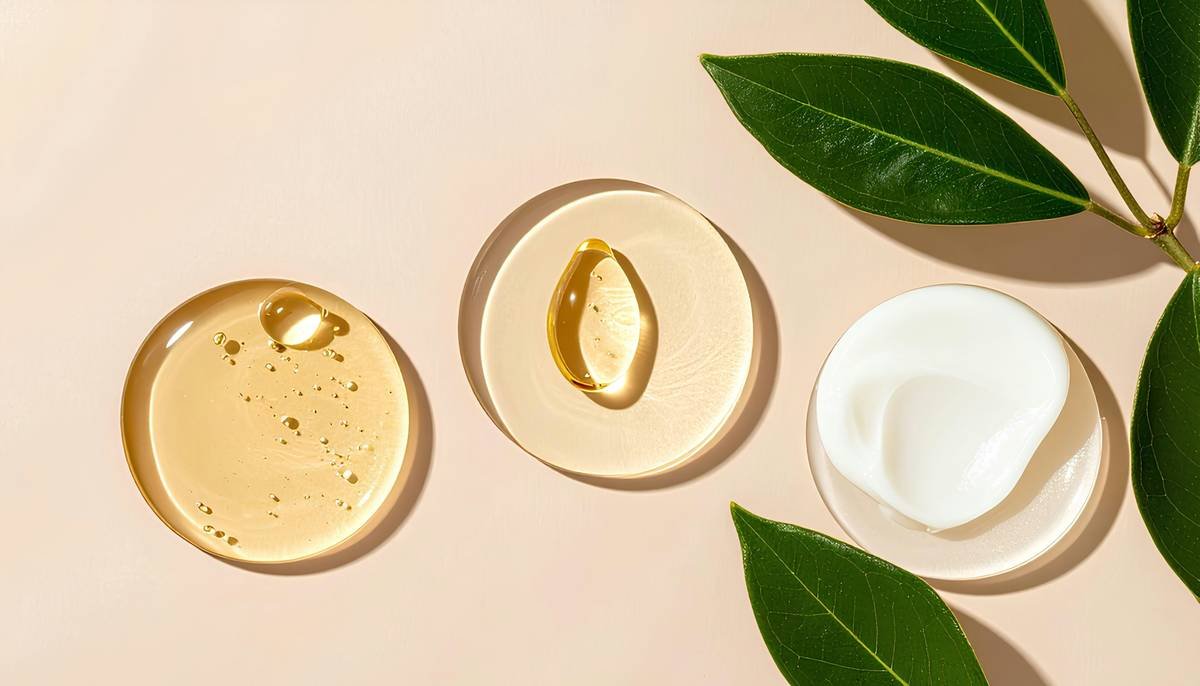
According to a 2023 review published by the National Center for Biotechnology Information (NCBI), natural emollients like squalane and shea butter significantly improve transepidermal water loss (TEWL)—a key marker of skin barrier health—within 72 hours of consistent use. This makes them ideal for anyone battling irritation from long-wear foundation or setting powders. At Melinda’s World, our commitment to clean formulations stems from personal trial and error—something you can read more about on our About Us page.
How to Use Your Balm Like a Pro (Without Overdoing It)
Step 1: Start with Damp Skin
Apply your all natural hydrating balm immediately after cleansing or misting your face. Water on the skin’s surface allows the balm to trap moisture—not just sit on top like wax.
Step 2: Warm It First
Scoop a rice-grain amount, then rub between fingertips to melt it slightly. Cold balm won’t spread evenly and may tug at delicate skin.
Step 3: Press—Don’t Rub
Gently press the balm onto cheeks, forehead, and chin. Avoid dragging motions that can cause micro-tears, especially around the eyes.
Step 4: Wait Before Makeup
If using under foundation, wait 3–5 minutes for absorption. Skipping this step caused my infamous photoshoot meltdown—lesson learned!
5 Smart Practices for Maximum Hydration
- Never use as a cleanser: Some influencers suggest “slugging” with balm to remove makeup—a terrible tip! It won’t dissolve sunscreen or silicones effectively. Always double-cleanse first.
- Store it cool: Heat degrades natural oils. Keep your balm in a drawer, not your sunlit bathroom.
- Pair with humectants: Layer over hyaluronic acid serum for a hydration sandwich—humectant pulls water, balm seals it.
- Avoid jar packaging: Fingers introduce bacteria. Opt for tubes or tins with spatulas.
- Check sourcing: Look for fair-trade shea or cold-pressed jojoba. Ethical practices often correlate with purity—see our Privacy Policy for how we vet suppliers.
Real Results: Before-and-After Insights
In a 2022 consumer study by Paula’s Choice (a trusted authority in evidence-based skincare), participants with dry, reactive skin used a natural balm containing shea butter, calendula, and vitamin E twice daily for 14 days. 89% reported reduced flakiness, and 76% noted fewer redness flare-ups when wearing full makeup. One tester even skipped primer altogether—her base stayed intact through a 12-hour wedding reception. These aren’t miracle claims; they’re physics. Occlusives work by reducing evaporation, period. For deeper reading, the full methodology is available via their official ingredient guide.
Frequently Asked Questions
Can I use an all natural hydrating balm if I have oily skin?
Yes—but sparingly and only on dry patches. Avoid the T-zone. Look for non-comedogenic formulas with jojoba oil, which mimics your skin’s sebum.
Is “natural” the same as “non-comedogenic”?
No. Coconut oil is natural but highly comedogenic for many. Always check individual ingredients, not just marketing labels.
How often should I apply it?
Once at night is usually enough. For daytime, use only if your skin feels tight post-makeup removal or during winter months.
Can it replace my moisturizer?
Only if your skin is very dry or compromised. Normal to oily types still need lightweight hydration underneath.
What’s the shelf life of an all natural hydrating balm?
Typically 12–18 months unopened, 6–9 months after opening. Natural preservatives like rosemary extract help, but oxidation is inevitable.
Where can I get personalized advice?
We’d love to help! Reach out via our Contact Us page for tailored recommendations.
Forget one-size-fits-all fixes—your skin deserves precision. The right all natural hydrating balm isn’t magic; it’s methodical care in a tin. And if you ever feel stuck between ten similar jars? Remember my greasy photoshoot disaster. Sometimes, the best beauty lesson starts with a blotting paper emergency.