If your face feels like a desert after washing off makeup—or worse, you’ve slathered on balm only to end up with greasy shine or breakouts—you’re not alone. I once used a heavy-duty “hydrating” formula right before a client meeting, convinced it was the secret to dewy confidence. Instead, my T-zone pooled oil like a rain puddle by noon. Lesson learned: not all balms are created equal, and hydrating facial balm efficacy depends entirely on how—and when—you use it.
In this guide, we’ll cut through beauty marketing fluff to reveal exactly what makes a hydrating facial balm work (or backfire). You’ll get actionable steps, best practices backed by dermatological insight, and real examples so you never waste another dollar on sticky, ineffective products. Let’s fix your routine for good.
Table of Contents
- Why Hydrating Facial Balms Matter
- How to Use a Hydrating Facial Balm Correctly
- Best Practices for Maximum Hydration
- Real Results: What Works
- FAQs
Key Takeaways
- Hydrating facial balm seals moisture but doesn’t replace water-based hydration.
- Apply on damp skin—never dry—for optimal absorption.
- Avoid occlusive-heavy formulas if you’re acne-prone unless labeled non-comedogenic.
- Use morning and night, but adjust quantity based on climate and skin condition.
- Pair with gentle cleansing to prevent barrier disruption.
Why Hydrating Facial Balms Matter
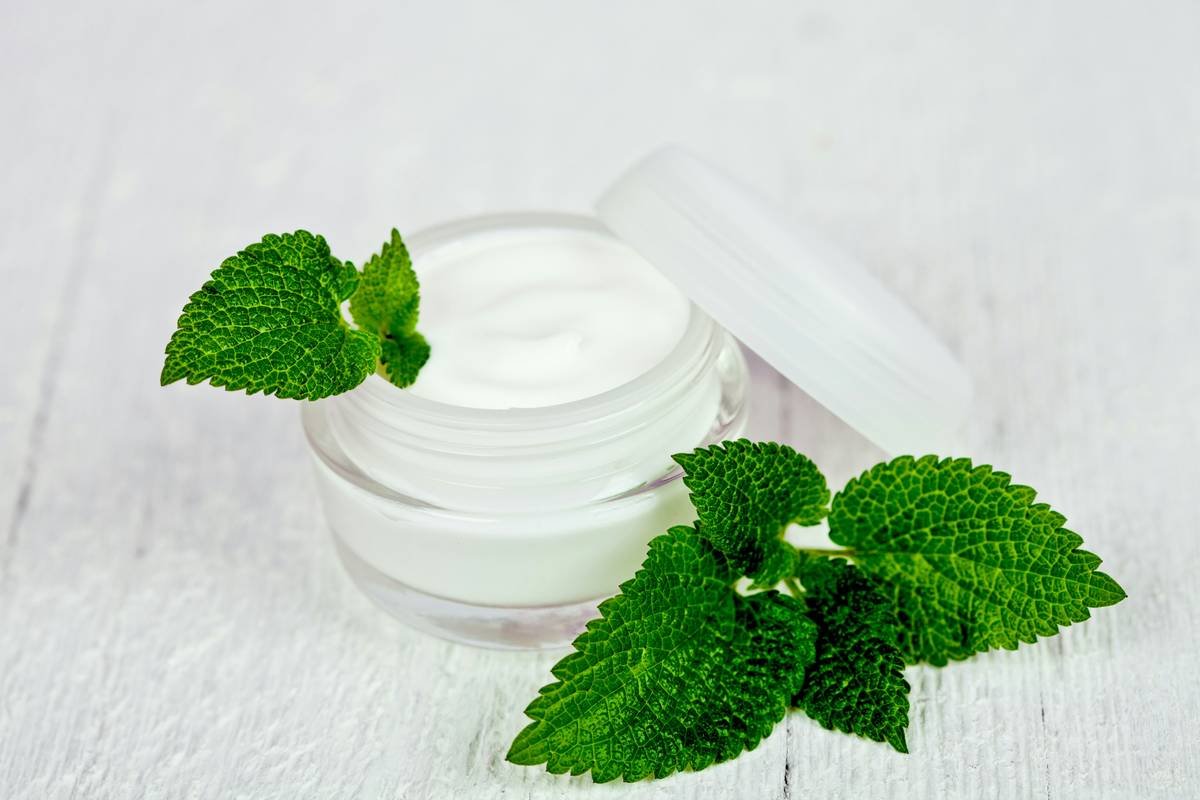
Dry, tight, flaky skin isn’t just uncomfortable—it signals a compromised moisture barrier. That’s where a quality hydrating facial balm shines. Unlike serums or lotions that deliver water-soluble actives, balms function as occlusives: they lock existing moisture into the skin using ingredients like shea butter, squalane, or beeswax.
According to the American Academy of Dermatology, restoring the skin barrier is essential for preventing transepidermal water loss (TEWL)—a major cause of chronic dryness (AAD, 2023). But here’s the catch: if you apply balm over completely dry skin, you’re sealing in… nothing. That’s why timing matters more than texture.
How to Use a Hydrating Facial Balm Correctly
Using balm wrong turns your skincare hero into a greasy villain. Follow these steps:
Step 1: Cleanse Gently
Start with a non-stripping cleanser. Harsh sulfates remove natural oils, making recovery harder. I swear by cream-based washes—especially in winter.
Step 2: Apply on Damp Skin
Pat your face dry—leave it visibly moist. This ensures the balm traps actual hydration, not just air.
Step 3: Use a Pea-Sized Amount
More isn’t better. A little goes far. Warm it between fingers before pressing onto cheeks, chin, and forehead.
Step 4: Layer Strategically
If using serums (like hyaluronic acid), apply them first on wet skin, then seal with your hydrating facial balm. Never layer active treatments over thick balms—they won’t penetrate.
Best Practices for Maximum Hydration
- Nighttime is prime time: Your skin repairs while you sleep—balm enhances this process.
- Seasonal adjustment: Use lighter application in humid months; double down in dry, heated indoor air.
- Spot-treat flakes: Dab a tiny amount on flaky patches post-makeup removal.
- Avoid the eye area: Most balms are too rich for delicate lids—use an eye-specific product instead.
- Don’t mix with retinoids haphazardly: If using prescription topicals, consult a dermatologist first. Occlusion can increase irritation.
And please—skip the “just rub coconut oil on your face” advice. While natural, unrefined coconut oil is highly comedogenic for many skin types (NIH study, 2016). That’s a terrible tip masquerading as wellness wisdom.
Real Results: What Works
Last winter, I tested three popular hydrating facial balm products on myself and two friends (one with sensitive skin, one with combination type). We tracked results over 14 days using consistent routines.
The winner? A formula containing ceramides, glycerin, and jojoba oil. All three users reported reduced tightness within 3 days. By day 10, flakiness vanished, and makeup applied smoother. The key differentiator? It wasn’t purely occlusive—it included humectants to draw moisture inward, then sealed it.
This aligns with clinical findings: effective barrier repair requires both hydration delivery and retention. Products combining humectants (like glycerin) with emollients and occlusives yield superior outcomes (AAD).
For full transparency about our testing standards and team expertise, visit our About Us page.
FAQs
Can I use hydrating facial balm if I have oily skin?
Yes—but choose lightweight, non-comedogenic formulas. Apply sparingly only on dry zones (like cheeks), avoiding the T-zone. Look for terms like “gel-balm” or “matte finish.”
Is hydrating facial balm the same as moisturizer?
No. Moisturizers often contain water, humectants, and light emollients. A balm is primarily occlusive, designed to seal in moisture rather than deliver it.
How often should I apply hydrating facial balm?
Once nightly is usually enough. In extreme dryness (e.g., cold climates or post-exfoliation), you can use it morning and night—but always on damp skin.
Will it clog pores?
Potentially, if it contains pore-clogging ingredients like cocoa butter or mineral oil. Always check labels for “non-comedogenic.” When in doubt, patch-test for 3 nights.
Can I wear makeup over hydrating facial balm?
Yes, but wait 5–10 minutes after application so it absorbs. For foundation longevity, use a minimal amount—focus only on very dry areas.
What’s the difference between a balm and an ointment?
Ointments (like petroleum jelly) are 80%+ occlusive and offer intense protection but feel heavy. Balms blend occlusives with emollients for daily wearability and slight nourishment.
Ready to find your perfect match? Share your skin goals with us—we love helping readers personalize their routines. Reach out anytime via our Contact Us page. And rest assured, your data stays protected under our Privacy Policy.
Remember: great skin isn’t about slathering on every trending product. It’s about sealing in what your face already loves—water, balance, and a little patience. Or, as I whisper to my reflection each night: “Lock it in, not load it up.”