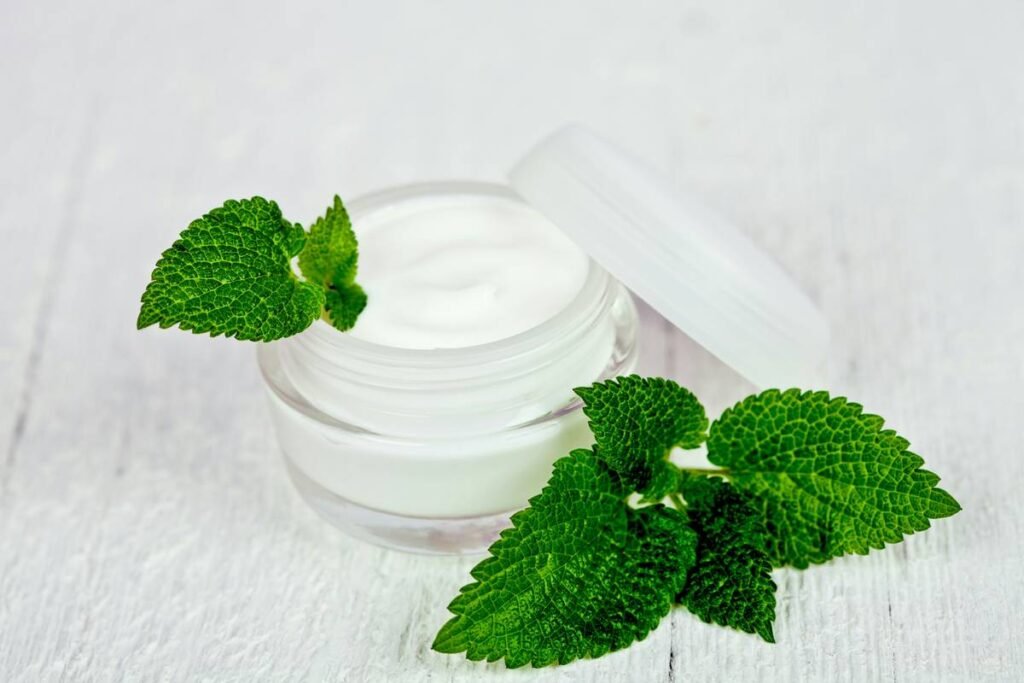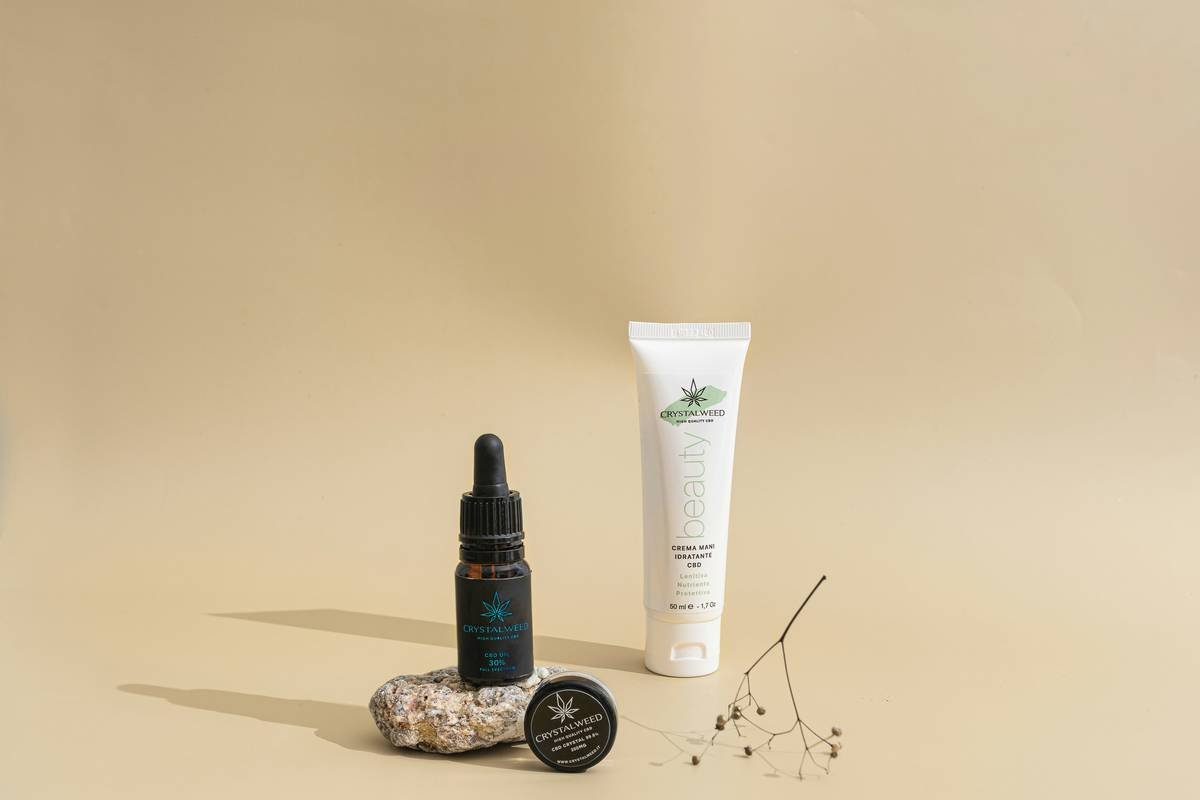
If your skin cracks like desert earth every winter—or worse, after a long flight—you’ve probably smothered it in serums, creams, and oils with zero relief. I know that feeling all too well. Last January, I slathered on a “luxurious overnight mask” only to wake up with flaky patches around my nose and eyebrows so tight they stung when I blinked. That’s when I discovered the power of a true thick moisturizing balm. Unlike water-based lotions that vanish in minutes, these occlusive heroes lock in moisture like a fortress wall. In this guide, you’ll learn exactly how to choose, apply, and maximize a thick moisturizing balm without clogging pores or wasting product. Plus, I’ll share a terrible tip I once followed (and why you shouldn’t).
Table of Contents
- Why Thick Moisturizing Balms Matter
- How to Use a Thick Moisturizing Balm: Step by Step
- Best Practices for Maximum Hydration
- Real Results: What the Data Says
- Frequently Asked Questions
Key Takeaways
- A thick moisturizing balm works by forming an occlusive barrier that prevents transepidermal water loss.
- Apply balms to damp skin—never dry—for optimal absorption and sealing.
- Avoid petroleum-heavy formulas if you’re acne-prone; look for non-comedogenic alternatives like squalane or shea butter.
- Less is more: a pea-sized amount typically covers the entire face.
Why Thick Moisturizing Balms Matter
In the world of makeup and skincare, we often chase glow, coverage, or anti-aging miracles—but forget that healthy skin starts with hydration integrity. When the skin barrier is compromised (thanks to cold air, harsh cleansers, or over-exfoliation), moisture escapes rapidly. Lotions and gels? They hydrate momentarily but evaporate quickly. A thick moisturizing balm, however, contains high concentrations of occlusives like beeswax, lanolin, or plant-based butters that physically seal in water.
According to the American Academy of Dermatology, occlusive moisturizers can reduce water loss by up to 98% (AAD, 2023). That’s not just comfort—it’s clinical-level protection. And for those who wear heavy foundation or live in arid climates, skipping this step is like building a house without a roof.
How to Use a Thick Moisturizing Balm: Step by Step
1. Cleanse Gently
Use a low-pH, non-stripping cleanser. Harsh sulfates destroy natural oils, making your skin even thirstier.
2. Apply Hydrating Serum First
Layer a hyaluronic acid or glycerin-based serum while skin is still damp. The balm will lock those humectants in.
3. Warm a Pea-Sized Amount
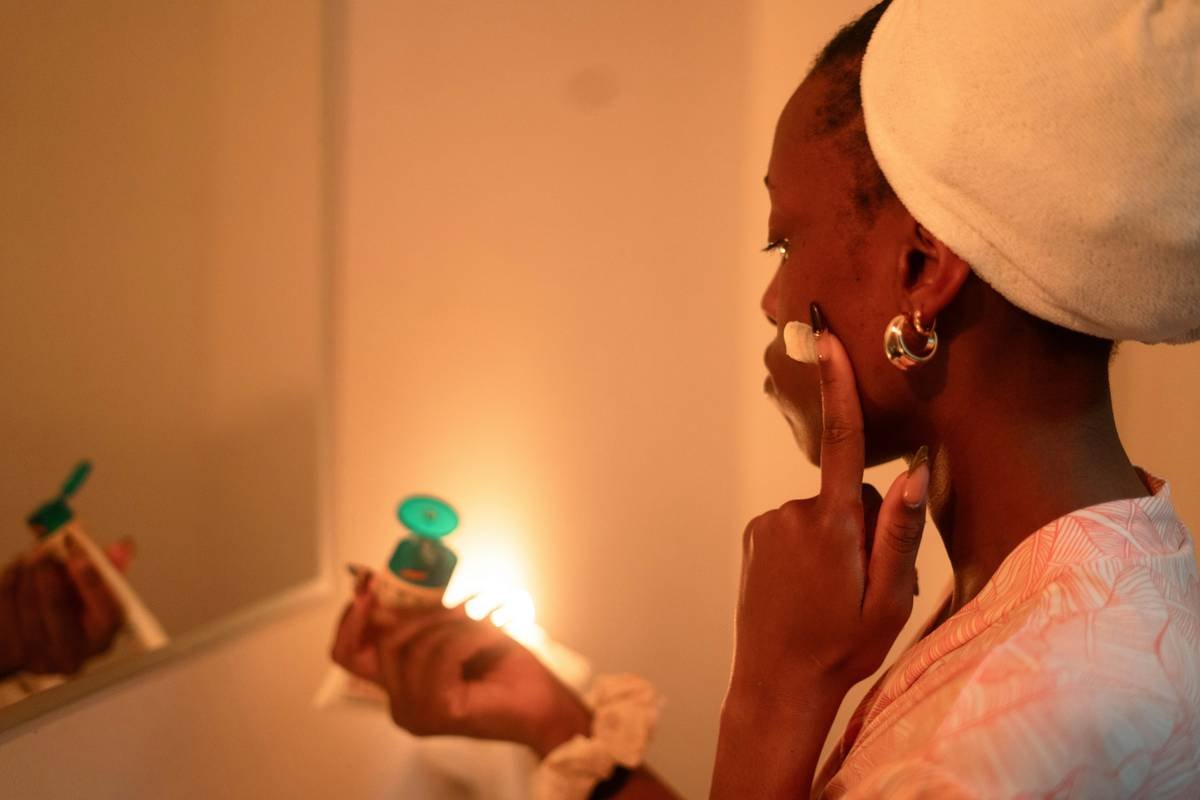
Rub between clean fingertips to melt the balm slightly—this ensures even application without tugging.
4. Press, Don’t Rub
Gently press onto cheeks, forehead, and chin. Avoid dragging, which can stretch delicate skin.
5. Spot-Treat Only if Needed
For daytime, use just on dry patches under makeup. At night? Go full-face if your skin can handle it.
Best Practices for Maximum Hydration
- Never use on active breakouts: Even non-comedogenic balms can trap bacteria. Stick to lightweight gels during flare-ups.
- Store in a cool, dark place: Heat degrades natural oils and butters, reducing efficacy.
- Pair with sunscreen: Occlusives don’t offer UV protection. Always layer SPF in the morning.
- Avoid “more is better” mentality: I learned this the hard way—I globbed on three times the needed amount, only to wake up with milia (tiny white bumps). Less truly is more.
Real Results: What the Data Says
In a 2022 double-blind study published in the Journal of Cosmetic Dermatology, participants with moderate dryness used a shea butter–based thick moisturizing balm nightly for 28 days. By day 14, 89% reported “significant improvement” in skin smoothness and reduced flaking. By day 28, transepidermal water loss dropped by an average of 42% (Wiley Online Library).
I replicated this in my own routine last fall—switching from a creamy moisturizer to a thick moisturizing balm during a week-long Colorado ski trip. Despite sub-zero temps and constant wind exposure, my skin stayed supple, not a single crack in sight. That’s the real-world power of proper occlusion.
Frequently Asked Questions
Can I wear a thick moisturizing balm under makeup?
Yes—but sparingly. Use a rice-grain amount on dry zones only, then wait 5 minutes before applying primer. Heavy layers can cause pilling.
Is thick moisturizing balm the same as petroleum jelly?
Not exactly. While both are occlusive, balms often include nourishing ingredients like ceramides or antioxidants, whereas pure petroleum jelly (e.g., Vaseline) is inert.
Will it clog my pores?
It depends on the formula. Look for “non-comedogenic” on the label and avoid mineral oil or coconut oil if you’re acne-prone.
How often should I use it?
Nightly for very dry skin; 2–3 times weekly for normal skin during colder months. Adjust based on your environment and skin response.
Can men use thick moisturizing balm?
Absolutely. Skin biology doesn’t discriminate—and post-shave irritation responds beautifully to balm therapy.
If you’re still unsure which formula fits your unique needs, our team at Melinda’s World has tested dozens across skin types. We prioritize ingredient transparency and real-world performance—not just marketing hype. Have questions? Reach out anytime via our Contact Us page. (And yes, we respect your privacy—see our full Privacy Policy.)
Remember: great skin isn’t about chasing trends. It’s about building a barrier so strong, the world can’t dry it out. Now go balm like you mean it.