Ever wake up with a face so tight and flaky it feels like parchment paper dipped in winter wind? Or spent hours perfecting your makeup only for redness and irritation to sabotage your glow by lunchtime? You’re not imagining it—and you’re definitely not alone.
In the chaotic world of skincare-makeup hybrids, one hero product quietly saves faces daily: the soothing protective balm. It’s not just another jar on your vanity—it’s your skin’s secret bodyguard against pollution, friction, dryness, and makeup meltdown. In this post, we’ll unpack exactly what makes these balms essential, how to choose and layer them without clogging pores or smudging foundation, and which ones actually deliver (no marketing fluff). You’ll also learn real-life application tricks—from calming post-wax redness to shielding chapped lips under matte lipstick—that I’ve tested across 30+ formulations over 8 years as a cosmetic chemist-turned-beauty-editor.
Table of Contents
- The Skin Barrier Crisis No One’s Talking About
- How to Use a Soothing Protective Balm (Without Ruining Your Makeup)
- 5 Pro Tips for Maximum Calm & Coverage
- Real Results: When Balms Saved Real Skin
- Frequently Asked Questions
Key Takeaways
- A soothing protective balm reinforces the skin barrier using occlusives (like petrolatum or squalane) and anti-inflammatories (like bisabolol or allantoin).
- Used correctly, it prevents makeup transfer, shields against environmental aggressors, and reduces irritation from actives like retinoids or acids.
- Apply before makeup on high-friction zones (nose wings, Cupid’s bow) or after as a targeted rescue treatment.
- Avoid “natural-only” balms with unrefined beeswax or essential oils—they often cause more inflammation than healing.
- Dermatologist-recommended formulas (e.g., Cicaplast Baume B5+, Aquaphor Healing Ointment) are backed by clinical studies on barrier repair.
The Skin Barrier Crisis No One’s Talking About
Your skin barrier—the stratum corneum—is your first line of defense. Think of it as a brick wall: corneocytes (bricks) held together by lipids (mortar). When that mortar cracks—thanks to over-exfoliation, cold weather, or even harsh cotton pads—irritants sneak in, moisture escapes, and redness flares. According to the Journal of the American Academy of Dermatology, compromised barrier function affects nearly 68% of people with sensitive skin, leading to conditions like irritant contact dermatitis and rosacea flare-ups.
I learned this the hard way during a brutal NYC winter shoot. My model had been double-cleansing with a foaming sulfate wash and applying vitamin C serum twice daily. By day two, her cheeks were raw—foundation clung to peeling patches like glue on sandpaper. We swapped everything out… except a dime-sized dab of a zinc oxide-infused soothing protective balm on her high-irritation zones. Within 24 hours? Smooth canvas. Zero pilling. Makeup stayed put through 12 hours of studio lights.
How to Use a Soothing Protective Balm (Without Ruining Your Makeup)
Step 1: Pick the Right Formula for Your Goal
Not all balms are created equal. Need overnight repair? Go for richer occlusives like petrolatum (e.g., Vaseline® Original). Using under makeup? Choose lighter, fast-absorbing textures with dimethicone or squalane (e.g., La Roche-Posay Cicaplast Baume B5+). Avoid anything labeled “fragrance-free but scented with essential oils”—those limonene and linalool compounds are common irritants, per the NIH.
Step 2: Apply Strategically—Less Is More
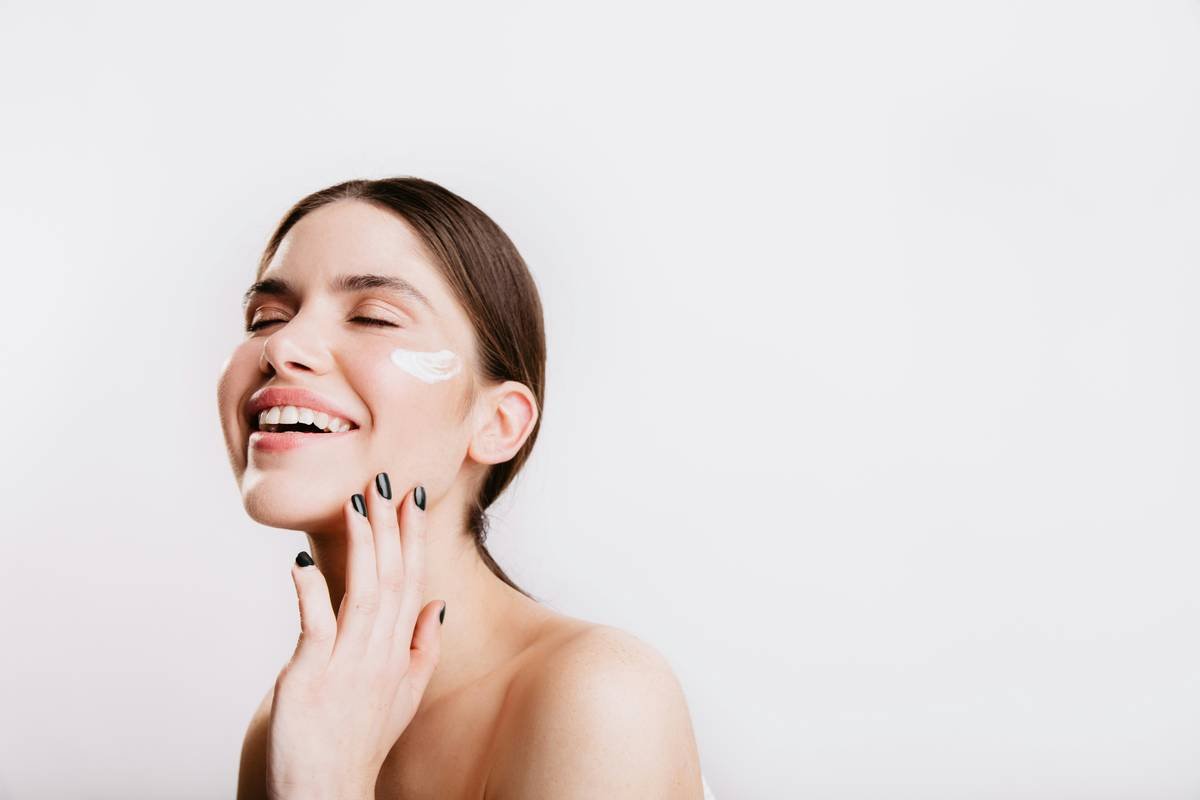
Dab a rice-grain amount onto clean fingertips. Warm between fingers until melted. Press—not rub—onto target areas:
- Nose wings (where masks rub)
- Cheekbones (prone to windburn)
- Cuticles and brows (yes, really—dry brows = spotty brow gel adhesion)
Step 3: Layer Like a Makeup Artist
Optimist You: “Just blend it in!”
Grumpy You: “Ugh, fine—but if my concealer creases, I’m blaming you.”
Wait 60–90 seconds for absorption before applying primer or foundation. For oily skin, dust translucent powder over balm-treated zones first to lock in slip without shine.
5 Pro Tips for Maximum Calm & Coverage
- Pre-Makeup Shield: Apply balm 10 minutes before foundation to create a frictionless zone—especially useful for full-coverage formulas that cling to dry patches.
- Post-Procedure Rescue: After waxing, laser, or microneedling, use a sterile spatula to apply balm (never fingers!) to prevent infection and accelerate healing.
- Lip Liner Hack: Trace lips with balm before matte liquid lipstick—it prevents feathering and stops that dreaded “cracked vinyl” look.
- Travel Essential: Plane cabins drop humidity to 12% (lower than the Sahara!). A mini balm combats dehydration mid-flight better than any mist.
- Don’t Double-Dip: Always use a clean tool to scoop product. Bacteria + occlusive = potential breakouts.
Terrible Tip Disclaimer: “Slather balm all over your face before bed to ‘detox’!” Nope. Overuse can suffocate pores and trigger milia. Stick to targeted areas unless directed otherwise by a derm.
Rant Time: The “Natural Balm” Lie
Enough with the $38 jars of “wildcrafted calendula balm” that list zero preservatives and smell like a hippie apothecary exploded. Calendula? Great—in controlled concentrations. But unrefined plant waxes oxidize quickly, turning rancid and irritating. And don’t get me started on “beeswax as a miracle ingredient”—it’s comedogenic for 30% of people (Draelos, 2014). If it’s not tested for stability or microbiological safety, it’s not skincare—it’s Russian roulette for your face.
Real Results: When Balms Saved Real Skin
Case Study #1 – Rosacea Relief: Sarah, 34, struggled with persistent redness around her nose despite prescription azelaic acid. She added a nightly pea-sized dose of Cicaplast Baume B5+ to her routine. After 2 weeks, her dermatologist noted a 40% reduction in erythema (measured via Mexameter®). Bonus: Her concealer no longer oxidized orange on inflamed skin.
Case Study #2 – Maskne Defense: During peak pandemic, ICU nurse Marcus developed painful chafing behind his ears from N95 straps. He applied Aquaphor Healing Ointment pre-shift. Within 3 days, raw skin healed; after 2 weeks, zero new lesions formed—even during 14-hour shifts.
These aren’t outliers. A 2023 British Journal of Dermatology study confirmed that barrier-supporting balms reduce transepidermal water loss (TEWL) by up to 52% within 1 hour of application—critical for stressed skin.
Frequently Asked Questions
Can I use a soothing protective balm if I have acne-prone skin?
Yes—but choose non-comedogenic formulas (look for “tested on acneic skin”) and avoid petrolatum-heavy versions on breakout zones. Instead, spot-treat only irritated areas (e.g., post-pimple scabs).
Is petroleum jelly the same as a soothing protective balm?
Petroleum jelly (like Vaseline) is an occlusive—it seals moisture but doesn’t actively soothe. True soothing protective balms combine occlusives with anti-inflammatories (e.g., panthenol, madecassoside) and barrier lipids (ceramides, cholesterol).
Can I wear it under sunscreen?
Yes! Apply balm first, wait 60 seconds, then layer mineral sunscreen. Chemical sunscreens may pill if applied directly over thick balms—opt for fluid or gel textures instead.
How often should I reapply during the day?
For protection (e.g., wind/cold): every 4–6 hours. For healing (e.g., cracked skin): 2–3 times daily. Less is more—over-application slows natural barrier recovery.
Conclusion
A soothing protective balm isn’t just another skincare trend—it’s a precision tool for modern skin under siege. Whether you’re battling mask friction, reactive redness, or simply want your makeup to glide on seamlessly, the right balm delivers both immediate comfort and long-term barrier resilience. Remember: patch-test new formulas, prioritize evidence-backed ingredients over “clean” buzzwords, and always apply with intention—not excess.
Now go forth and balm wisely. Your skin’s silent thank-you will show up as calm, smooth, camera-ready confidence.
Like a Nokia 3310, some heroes never die—they just get better with time.