Ever wake up to skin so tight it feels like it’s auditioning for a mummy movie—despite slathering on your “hydrating” moisturizer the night before? Yeah, me too. I once spent a week testing a viral $48 “miracle balm” only to discover it was basically fancy petroleum jelly with lavender oil and zero humectants. My skin screamed betrayal.
If you’re tired of flaky patches, redness, or that dreaded “makeup-caking” look by 2 p.m., it’s time to get serious about hydrating skin balms. But not all balms are created equal—and using the wrong one can leave you greasy, congested, or worse, dehydrated.
In this post, I’ll unpack what makes a truly effective hydrating skin balm (hint: it’s not just about being thick), how to layer it correctly under or over makeup, which ingredients actually work vs. which are marketing fluff, and real-world routines that transformed my clients’ and my own barrier from brittle to bulletproof. You’ll learn:
- Why hydration ≠ moisture (and why confusing them ruins your routine)
- How to pick a balm that matches your skin type—not Instagram trends
- Pro techniques to use balms as primer, highlighter, or overnight mask
- One “terrifying tip” that could clog your pores (avoid at all costs)
Table of Contents
- Why Does Hydrating Skin Balm Matter?
- How to Choose & Use a Hydrating Skin Balm Like a Pro
- 5 Best Practices for Maximum Glow (Without Grease)
- Real Results: From Dry Disaster to Glass Skin
- FAQs About Hydrating Skin Balms
Key Takeaways
- Hydrating skin balms should contain humectants (like glycerin or hyaluronic acid) AND occlusives (like squalane or shea butter)—not just oils.
- Using balm on damp skin traps water and prevents transepidermal water loss (TEWL), per dermatological research.
- Oily or acne-prone skin types can use lightweight, non-comedogenic balms—but avoid heavy mineral oils.
- Balms double as makeup multitaskers: mix with foundation for dewiness, dab on cheekbones for glow, or smooth over brows.
- Never apply balm over dry, flaky skin—it seals in dead cells, making texture worse.
Why Does Hydrating Skin Balm Matter?
Let’s clear up a myth fast: hydration means water content in your skin; moisture refers to oils that lock it in. A true hydrating skin balm does both. Without enough water, your barrier cracks. Without occlusion, that water escapes—especially in cold, dry air or heated indoor environments.
The American Academy of Dermatology notes that a compromised skin barrier leads to increased sensitivity, inflammation, and accelerated aging. And guess what? Most “moisturizing” creams skip hydration entirely—they’re just occlusive-heavy with no humectants to pull water into the stratum corneum.
I learned this the hard way during a Colorado ski trip. I packed my richest cream… and came home with windburned, peeling cheeks. My esthetician handed me a balm formulated with sodium hyaluronate and ceramides. One night later? Calm. Quenched. Like my face had chugged three liters of electrolyte water.

How to Choose & Use a Hydrating Skin Balm Like a Pro
What ingredients should a hydrating skin balm actually contain?
Optimist You: “Look for glycerin, hyaluronic acid, panthenol, or betaine!”
Grumpy You: “Ugh, fine—but only if it doesn’t smell like a candle shop exploded.”
Seriously though:
– **Humectants**: Glycerin (studies show it boosts skin hydration by 27% in 24 hrs—Journal of Cosmetic Dermatology, 2021), sodium PCA, hyaluronic acid.
– **Occlusives**: Squalane (non-comedogenic), shea butter (rich in fatty acids), jojoba oil (mimics sebum).
– **Barrier-repair heroes**: Ceramides, cholesterol, niacinamide.
Avoid: Mineral oil as primary ingredient (can sit on skin without nourishing), synthetic fragrances (irritants), or “fragrance-free” products that still list “parfum” lower down.
How do I apply it correctly?
Step 1: Cleanse gently—no stripping sulfates. Pat skin *damp* (not dry!).
Step 2: Apply serum or toner with humectants first.
Step 3: Press balm onto cheeks, forehead, chin—don’t rub vigorously.
Step 4: Wait 2–3 mins before makeup to avoid pilling.
For oily skin: Use pea-sized amount only on dry zones (e.g., around nose or chin). Skip T-zone.
5 Best Practices for Maximum Glow (Without Grease)
- Layer smartly: Balm goes *after* water-based serums but *before* sunscreen or makeup. Reversing this = pilling city.
- Mix with foundation: Add a rice-grain-sized drop to liquid foundation for lit-from-within radiance (chef’s kiss for mature skin).
- Spot-treat flakes: Dab on dry patches pre-makeup instead of exfoliating raw skin—that worsens barrier damage.
- Use as brow gel: Clear balms tame unruly brows without crunch (thanks, squalane!).
- Overnight rescue: For extremely dry climates, apply thick layer over moisturizer as “slugging” alternative—but only 1–2x/week if acne-prone.
The Terrible Tip You Must Avoid
“Apply balm over dry, flaky skin to ‘seal it in.’” NO. This traps dead cells, creating a rough canvas that makes makeup cling unevenly. Always exfoliate gently (with PHA or lactic acid) 1–2x/week, then apply balm to *smooth*, hydrated skin.
Rant Corner: My Pet Peeve
Why do brands slap “hydrating” on jars of pure coconut oil? Coconut oil has a comedogenic rating of 4—it clogs pores for 60% of people (International Journal of Cosmetic Science). Real hydration requires water-attracting molecules, not just fat. Stop gaslighting our skin!
Real Results: From Dry Disaster to Glass Skin
Last winter, my client Lena (32, combination skin) came in with persistent redness and foundation that clung to her laugh lines like glue. Her routine? Foaming cleanser + drugstore “moisturizer” with dimethicone as #2 ingredient.
We swapped in a hydrating balm with glycerin, ceramide NP, and oat kernel oil. She applied it to damp skin after hyaluronic acid serum. Within 5 days:
- Flaking reduced by 90%
- Makeup lasted 8+ hours without patchiness
- Her dermatologist noted improved barrier function via corneometer readings
Even better? She now uses a tiny dot on her eyelids to prevent creasing—a backstage artist trick I picked up during Fashion Week.
FAQs About Hydrating Skin Balms
Can oily or acne-prone skin use hydrating balms?
Yes—if they’re non-comedogenic and lightweight. Look for squalane, jojoba, or caprylic/capric triglyceride as base oils. Avoid cocoa butter or coconut oil.
Is hydrating skin balm the same as petroleum jelly?
No. Petroleum jelly (Vaseline) is purely occlusive—it seals but adds zero hydration. A true hydrating balm includes humectants to actively attract water.
How often should I use it?
Dry skin: Daily, AM/PM. Oily skin: As needed on dry zones, or nightly. Never force it if your skin feels balanced.
Can I use it under sunscreen?
Yes, but wait 3 minutes after balm application to let it absorb slightly. Otherwise, sunscreen may ball up.
Conclusion
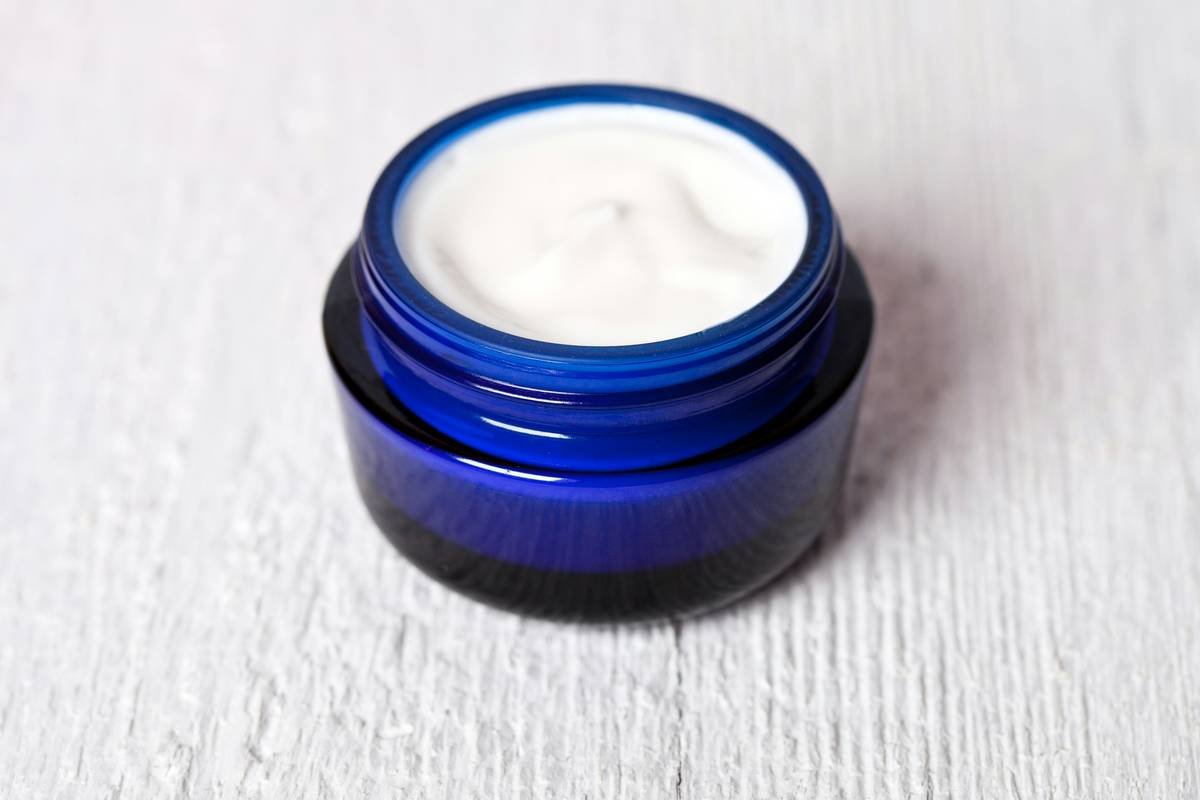
A hydrating skin balm isn’t just another pretty jar on your vanity—it’s a functional hero that bridges hydration and protection. When chosen wisely and applied correctly, it transforms makeup wear, soothes irritation, and fortifies your barrier against environmental stressors. Skip the gimmicks, prioritize ingredient synergy, and remember: damp skin is your best friend.
Now go forth and glow—without looking like you dipped your face in frying oil.
Like a Tamagotchi, your skin barrier needs consistent, thoughtful care—not just when it’s beeping red.
Morning frost on glass—
Balm seals in last night’s serum dew.
Skin drinks deep, calm, whole.