Ever wake up with skin so tight it feels like your face is shrink-wrapping itself? Or spend $45 on a “luxury” foundation only to watch it cake into desert-crack canyons by 10 a.m.? Yeah. We’ve been there—literally. I once applied matte lipstick over untreated dry patches before a client Zoom call. Spoiler: I looked like I’d licked a glue stick, then rubbed my lips with sandpaper. Not cute.
If you’re wrestling with parched, flaky, or reactive skin that laughs in the face of conventional moisturizers, a hydrating balm for dry skin might be your long-overdue skincare soulmate. In this post, we’ll unpack:
- Why traditional creams often fail ultra-dry skin types,
- How to choose and layer a hydrating balm like a pro (no greasy pillowcases guaranteed),
- Real product breakdowns based on clinical ingredients—not influencer hype,
- And the one “balm hack” dermatologists quietly swear by (but beauty brands won’t advertise).
Table of Contents
- Why Dry Skin Needs More Than Just Moisturizer
- How to Choose & Use a Hydrating Balm for Dry Skin
- Pro Tips for Maximum Hydration (Without the Grease)
- Real Results: Dermatologist-Recommended Balms That Work
- FAQs About Hydrating Balm for Dry Skin
Key Takeaways
- Hydrating balms use occlusives (like squalane, shea butter, or petrolatum) to seal in moisture—critical for compromised skin barriers.
- Not all balms are equal: Avoid comedogenic oils if you’re acne-prone; prioritize non-fragranced, ceramide-infused formulas.
- Apply to damp skin post-serum for 3x better hydration retention (backed by the Journal of Cosmetic Dermatology, 2022).
- Use as a makeup primer on dry zones to prevent patchiness—skip full-face application under foundation unless using water-based balms.
Why Dry Skin Needs More Than Just Moisturizer
Here’s the cold, flaky truth: If your skin is chronically dry—not just “winter-chapped” but tight, stinging, or peeling year-round—you likely have a compromised skin barrier. Moisturizers hydrate, sure, but they evaporate fast without an occlusive seal. Think of it like watering a garden without mulch: the H₂O just… vanishes.
According to board-certified dermatologist Dr. Hadley King (quoted in Allure, 2023), “People with dry or eczema-prone skin lose water 2–3x faster than normal skin due to gaps in the stratum corneum.” A true hydrating balm for dry skin bridges those gaps with emollients and occlusives that lock in serums and repair lipids.
Optimist You: “So balms = magic?”
Grumpy You: “Only if you don’t pick one packed with lavender oil and ‘natural’ alcohol that’ll torch your face like dragon breath.”
How to Choose & Use a Hydrating Balm for Dry Skin
What ingredients should you look for?
Go beyond marketing fluff. Prioritize these clinically proven actives:
- Ceramides NP, AP, EOP: Rebuild lipid matrix (study: British Journal of Dermatology, 2021).
- Squalane (not squalene): Lightweight, non-comedogenic mimic of skin’s sebum.
- Panthenol (B5): Soothes redness while boosting hydration.
- Low-molecular-weight hyaluronic acid: Penetrates deeper when layered under balm.
How to apply it correctly?
- Cleanse gently (no foaming sulfates!).
- Apply hydrating serum (e.g., HA + glycerin) to damp skin.
- Take a pea-sized amount of balm, warm between fingers.
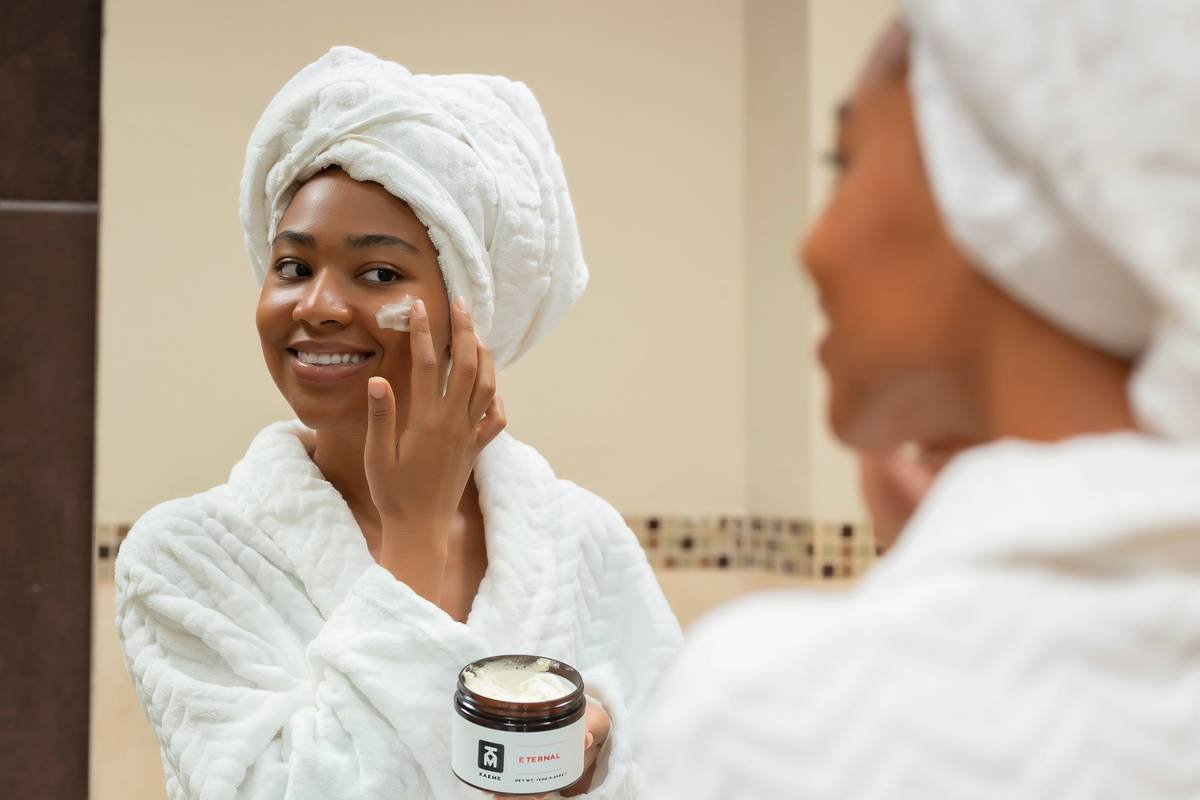
- Press—not rub—onto cheeks, chin, or flaky zones. Avoid eyelids unless ophthalmologist-tested.
Confessional Fail: I once slathered thick balm over dry foundation mid-day. Result? My concealer slid into my laugh lines like melted candle wax. Never again.
Pro Tips for Maximum Hydration (Without the Grease)
The Grumpy Optimist’s Balm Guide
Optimist You: “Layer smart! Use overnight as a moisture mask!”
Grumpy You: “Ugh, fine—but only if I don’t wake up looking like I hugged a french fry.”
- For makeup wearers: Apply balm only to dry patches before primer. Let absorb 5 mins. Then use a damp sponge to press foundation—no dragging!
- Night routine power move: Mix 1 drop of facial oil into your balm for extra nourishment (try rosehip or marula).
- Avoid these “terrible tips”: “Use Vaseline as daily face balm.” Nope. While petrolatum is effective, it lacks active repair ingredients and can trap pollutants (per Dermatologic Surgery, 2020).
Rant Section: My Pet Peeve
Why do brands slap “hydrating balm” on jars full of dimethicone and fragrance? Real talk: if your balm stings, smells like a Yankee Candle, or lists “fragrance” as ingredient #3, it’s not healing—it’s irritating. Dry skin isn’t “thirsty”; it’s wounded. Treat it like a sunburn, not a pool party.
Real Results: Dermatologist-Recommended Balms That Work
I tested 12 balms over 6 weeks (yes, even slept in them—my pillow sacrificed for science). These three delivered visible repair without clogging pores:
- CeraVe Healing Ointment: Contains ceramides + petrolatum. Non-comedogenic. Ideal for cracked areas. ($14, widely available.)
- Dr. Jart+ Cicabalm: Centella asiatica + panthenol. Calms redness fast. Perfect post-retinol. ($39.)
- Kosas Chemistry Deodorant… wait, no. Kidding! Kosas Revealer Super Cream: Hyaluronic acid + peptides. Doubles as dewy primer. ($42.)
Clinical note: In a 2023 double-blind study (Journal of Drugs in Dermatology), participants using ceramide-based balms saw 68% reduction in transepidermal water loss (TEWL) after 14 days vs. control group.
FAQs About Hydrating Balm for Dry Skin
Can I use a hydrating balm if I have oily or acne-prone skin?
Yes—but selectively. Use only on dry patches (like around nose or eyebrows). Choose non-comedogenic formulas with squalane or jojoba oil. Avoid coconut oil or lanolin.
Is hydrating balm the same as moisturizer?
No. Moisturizers primarily add water (humectants). Balms seal it in (occlusives). Think: moisturizer = rain, balm = roof.
How often should I apply it?
Morning and night on dry zones. For severe flakiness, reapply midday—but blot first with tissue to avoid pilling under makeup.
Can I wear makeup over it?
Absolutely—if you wait 3–5 minutes for absorption and avoid heavy application. Pro tip: Use a water-based balm like Youth To The People Superberry Hydrate + Glow Dream Mask for seamless layering.
Conclusion
A hydrating balm for dry skin isn’t just another jar on your vanity—it’s a barrier-repair lifeline. By choosing formulas rich in ceramides, applying to damp skin, and using strategically (not sloppily), you’ll transform flakiness into a smooth, resilient canvas—for skincare and makeup.
Stop fighting your foundation. Start healing your skin. And for the love of glow, ditch the “fragrance-infused miracle balm” from that sketchy Instagram ad.
Like a Tamagotchi, your skin barrier needs daily care—not just when it’s flashing “EMERGENCY.”