Your skin is under siege. Wind, pollution, friction from masks, even harsh skincare actives—they all chip away at your barrier without you noticing. And by the time you see redness, tightness, or flaking, damage is already done. But what if you could stop it before it starts? That’s where a true healing protective balm comes in—not just as a rescue salve, but as daily defense.
Why Most “Protective” Balms Fail Miserably
Most brands slap “protective” on jars filled with petroleum jelly or cheap waxes. They sit on skin like plastic wrap—occlusive, yes, but inert. No healing. No intelligence. They trap sweat and bacteria. Worse, they give false security. You think you’re shielded, but your barrier keeps degrading underneath. Real protection isn’t about sealing—it’s about reinforcing while defending.
How to Use a Healing Protective Balm Like a Pro
Identify Your Exposure Hotspots
Nose creases from glasses. Cheekbones chafed by scarves. Lips cracked from cold air. These aren’t random—they’re repeat stress zones. Map yours. Then target them preemptively, not reactively.
Layer Strategically—Not Generously
A thick glob is wasteful and suffocating. Apply a rice-grain-sized amount to clean, slightly damp skin. Warm it between fingers first. The moisture underneath boosts absorption while the balm locks it in. Less is more—especially around the eyes.
Night vs. Day Protocol
Daytime? Use a lightweight formula with antioxidants (think vitamin E + squalane). Night? Go richer—ceramides, shea butter, maybe even colloidal oatmeal. Your skin repairs fastest while you sleep—give it armor that also nourishes.
| Application Scenario | Best Formula Type | Key Ingredients to Look For | When to Reapply |
|---|---|---|---|
| Cold/Windy Weather | Rich, beeswax-based | Lanolin, jojoba oil, calendula extract | Every 4–6 hours if exposed |
| Post-Procedure (Laser, Peel) | Fragrance-free, medical-grade | Panthenol, allantoin, dimethicone | As directed—usually 2–3x daily until healed |
| Daily Urban Pollution Shield | Lightweight gel-balm hybrid | Niacinamide, bisabolol, marine algae | Morning only—under sunscreen |
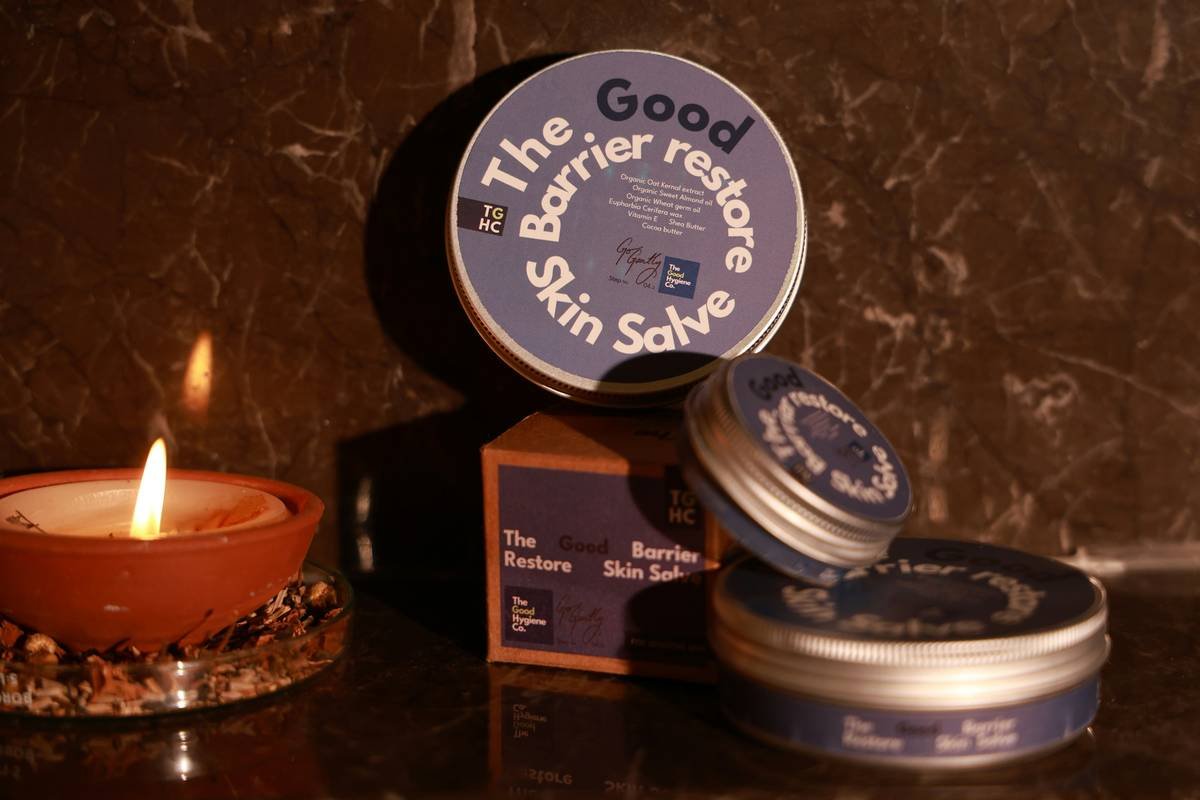
The Industry Secret: “Barrier Mimicry” Is the Game-Changer
Here’s what R&D labs won’t advertise: the best healing protective balms don’t just sit on skin—they mimic its natural lipid matrix. Think of your stratum corneum as bricks (corneocytes) and mortar (ceramides, fatty acids, cholesterol). Most balms only replicate the mortar poorly. The elite ones? They rebuild both. And they do it with ratios close to 3:1:1—ceramides to cholesterol to fatty acids—the exact architecture your skin uses. That’s why dermatologists quietly recommend certain clinical balms over luxury ones. It’s not about price. It’s about biocompatibility.
But—and this is critical—don’t assume “natural” means better. Some plant oils disrupt barrier recovery. Coconut oil, for example, can clog pores and trigger inflammation in acne-prone types. Always patch-test.
FAQs About Healing Protective Balms
Can I use a healing protective balm under makeup?
Yes—but sparingly. Dab a pinhead-sized amount on dry patches, then let it sink in for 2 minutes before foundation. Avoid full-face application; it can cause pilling.
Is it the same as a lip balm?
Not exactly. Lip skin lacks oil glands, so it needs heavier occlusion. Face balms are formulated for more delicate, complex facial skin with active ingredients beyond mere wax.
How fast does it work?
Immediate relief? Minutes. Full barrier repair? 3–7 days of consistent use. Don’t expect miracles overnight—your skin wasn’t damaged in a day.