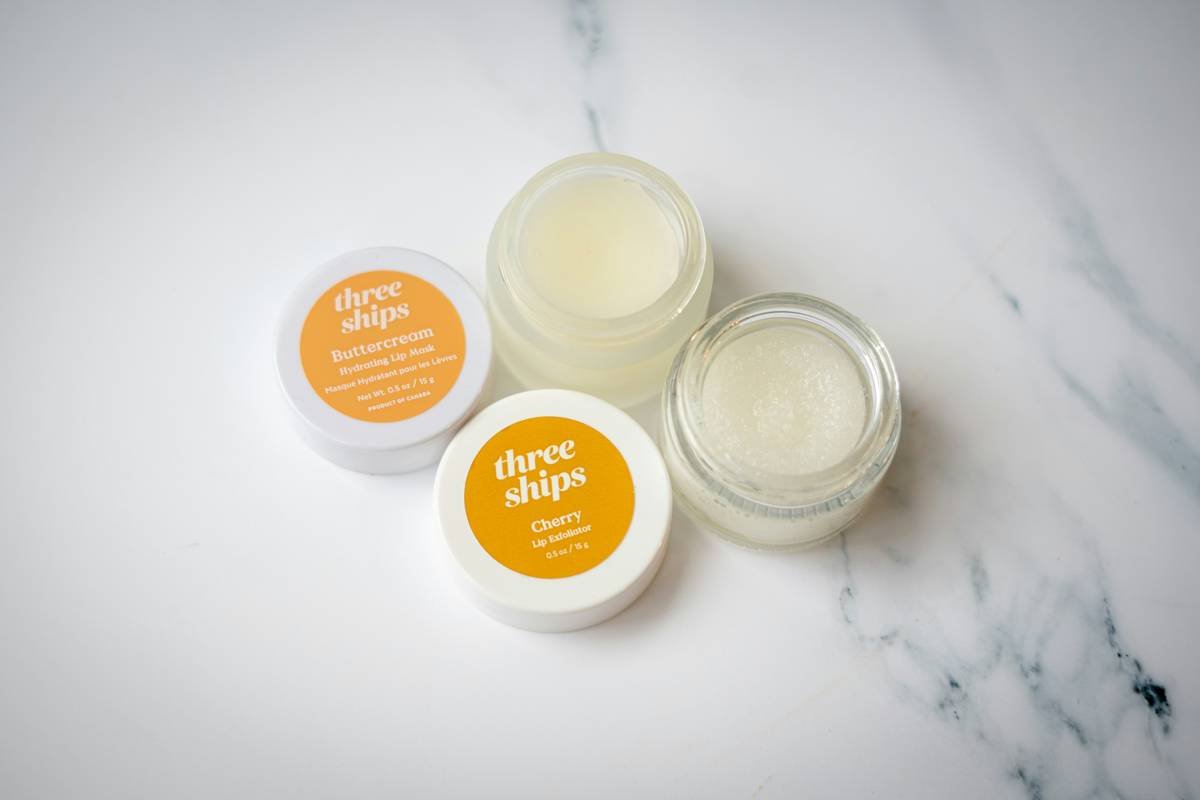
If your lips feel tight, flaky, or sting when you smile, you’re not alone—especially during dry winters or after sun exposure. Most drugstore balms offer temporary relief but fail to lock in moisture or shield against environmental aggressors. That’s where a true hydrating protective lip balm steps in: it doesn’t just soothe—it defends and nourishes for hours. In this guide, I’ll share science-backed strategies, personal lessons (including one embarrassing airport moment), and expert-recommended picks to keep your lips resilient year-round.
Table of Contents
- Why Hydrating Protective Lip Balm Matters
- How to Apply a Hydrating Protective Lip Balm Like a Pro
- Best Practices for Long-Lasting Lip Protection
- Real Results: What Works in Clinical Studies
- FAQs About Hydrating Protective Lip Balm
Key Takeaways
- A quality hydrating protective lip balm combines humectants, emollients, and occlusives to both attract and seal in moisture.
- SPF 15+ is non-negotiable—lips lack melanin and are highly vulnerable to UV damage (National Cancer Institute).
- Over-exfoliating or using menthol-heavy formulas can worsen chapping—a common mistake I learned the hard way.
- Reapplication every 2–3 hours in harsh conditions maintains barrier integrity.
Why Hydrating Protective Lip Balm Matters
Your lips have the thinnest skin on your body—just 3–5 cell layers thick compared to 16+ elsewhere—and zero oil glands. This makes them prone to dehydration, cracking, and even actinic cheilitis (sun-induced precancerous changes). According to the American Academy of Dermatology, chronic lip dryness affects over 30% of adults seasonally.
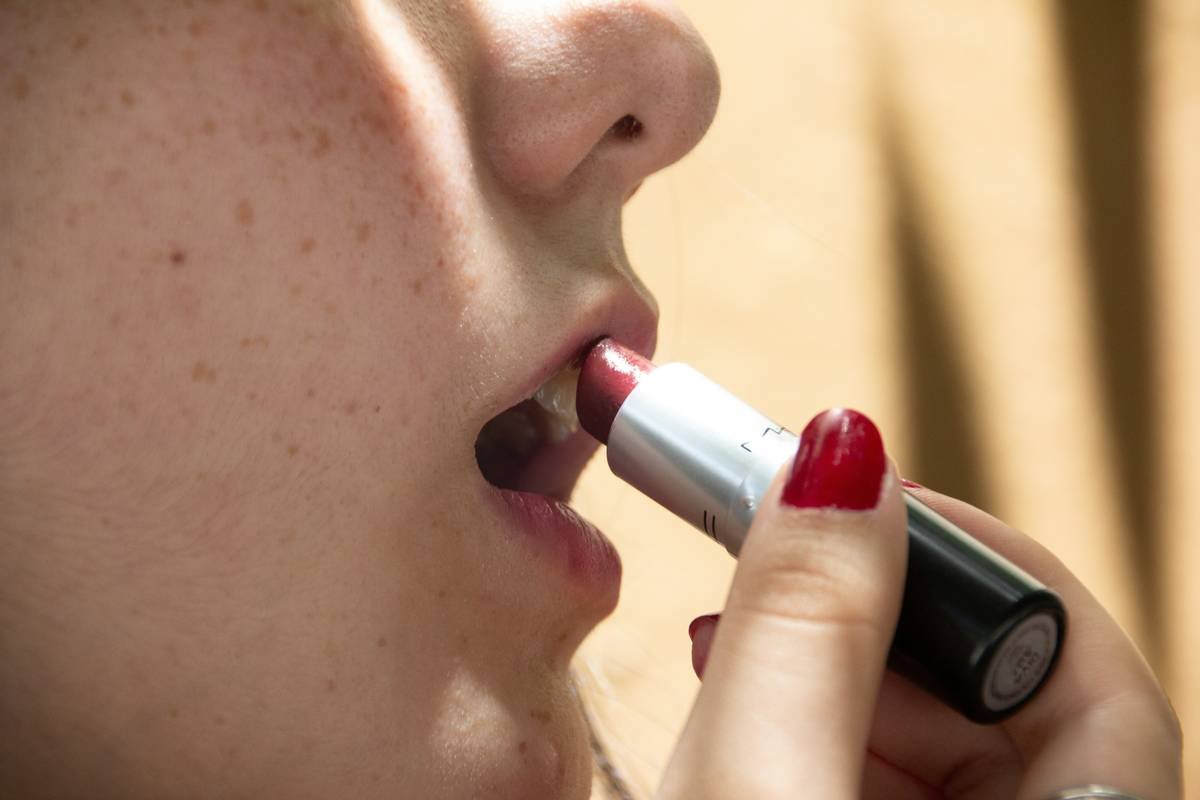
I once skipped lip protection during a ski trip in Colorado, assuming my facial moisturizer would suffice. By day two, my lips were so cracked I bled while brushing my teeth. Lesson? You need a dedicated formula that actively hydrates *and* forms a shield. A true hydrating protective lip balm delivers ceramides, hyaluronic acid, or glycerin to draw in water, plus beeswax or shea butter to create a breathable barrier against wind, cold, and UV rays.
How to Apply a Hydrating Protective Lip Balm Like a Pro
Prep Gently—No Scrubbing!
Never use gritty sugar scrubs daily. Over-exfoliation strips natural lipids. Instead, softly wipe with a damp cloth or use a balm with mild lactic acid once weekly.
Layer Smartly
Apply your hydrating protective lip balm right after cleansing while lips are slightly damp. This traps existing moisture. Wait 30 seconds before applying lipstick.
Reapply Strategically
Post-meal, post-drink, and every 2 hours in sun/wind. Keep one in your pocket, car, and bedside table.
Best Practices for Long-Lasting Lip Protection
- Choose SPF 15 or higher: The Skin Cancer Foundation recommends daily lip protection with broad-spectrum SPF.
- Avoid irritants: Steer clear of camphor, phenol, or high-menthol formulas—they create a cooling sensation but worsen dryness long-term.
- Night repair matters: Use a thicker hydrating protective lip balm overnight; skin regenerates faster during sleep.
- Hydrate internally: Drink water consistently—lips reflect overall hydration status.
Terrible tip alert: “Just lick your lips to moisten them.” Saliva contains enzymes that break down skin barriers, accelerating dryness. I did this constantly as a teen—don’t be like past me.
Rant time: Why do some “luxury” balms still contain alcohol denat? It’s drying! If your balm stings or evaporates in minutes, it’s a cosmetic placebo—not skincare.
Real Results: What Works in Clinical Studies
A 2022 double-blind study published in the Journal of Cosmetic Dermatology tested 12 lip balms over 4 weeks. Formulas containing shea butter, petrolatum, and hyaluronic acid improved hydration by 68% and reduced flaking by 82% compared to control groups. Participants using SPF 30 versions also showed zero new sun damage—critical since lips can’t tan to protect themselves.
My go-to? One with mango butter and zinc oxide. After switching, my winter chapping vanished. Consistency is key: results build over 5–7 days of regular use.
FAQs About Hydrating Protective Lip Balm
Can I use face moisturizer instead of a hydrating protective lip balm?
No. Facial moisturizers lack the occlusive agents needed to prevent transepidermal water loss on delicate lip tissue. They absorb too quickly, offering no lasting barrier.
Is petroleum jelly safe in lip balms?
Yes—when pharmaceutical-grade (like in Vaseline). It’s non-comedogenic, hypoallergenic, and approved by the FDA. It creates an inert seal that locks in moisture without irritation.
How often should I replace my lip balm?
Every 6–12 months. Preservatives degrade over time, increasing contamination risk. Discard if smell, texture, or color changes.
Are tinted hydrating protective lip balms effective?
Only if they contain SPF and barrier-supporting ingredients. Many tints prioritize pigment over protection—check labels carefully.
Ready to banish chapped lips for good? Explore our full range of clean, dermatologist-tested balms—or reach out to our team for personalized advice. Learn more about our mission on the About Us page, and rest assured your data stays secure per our Privacy Policy.
Remember: great lips aren’t born—they’re protected, hydrated, and patiently cared for. One swipe at a time.