Ever wake up with skin so dry it feels like parchment—and no, your hydrating serum didn’t ghost you? You’re not imagining it. According to the American Academy of Dermatology, nearly 50% of adults experience clinically dry skin during winter months. But here’s what no one told you: slathering on another layer of moisturizer might not cut it. What you actually need is a protective balm for dry skin—a barrier-repairing, occlusive powerhouse that locks in moisture like a fortress.
In this post, you’ll learn exactly why traditional moisturizers fall short in extreme dryness, how to choose and apply the right face balm without clogging pores or messing up makeup, and the one ingredient combo I now swear by after learning the hard way (yes, there was flaking foundation involved). Plus, real product breakdowns, expert-backed routines, and my brutal honesty about balms that overpromise and underdeliver.
Table of Contents
- Why Dry Skin Needs More Than Moisturizer
- How to Use a Protective Balm for Dry Skin
- 5 Best Practices for Maximum Protection
- Real Results: A Case Study from My Clients
- FAQs About Protective Balm for Dry Skin
Key Takeaways
- Moisturizers hydrate; protective balms seal—they serve different but complementary roles.
- Look for non-comedogenic formulas with ceramides, squalane, or shea butter—avoid petrolatum-heavy options if you wear makeup daily.
- Apply balms to damp skin at night, or use a rice-grain amount under makeup for spot protection.
- Occlusives reduce Transepidermal Water Loss (TEWL) by up to 98%, per clinical studies (Journal of Cosmetic Dermatology, 2021).
- Avoid “miracle cure” claims—no balm fixes eczema alone, but it can significantly support barrier repair.
Why Does Dry Skin Need More Than Just Moisturizer?
Let’s get real: I once showed up to a bridal photoshoot with cheeks so parched they cracked under my concealer. My “super-hydrating” cream? Totally useless against -10°C wind and indoor heating. Why? Because moisturizers add water (humectants) or oils (emollients), but only occlusives like protective balms physically block moisture from escaping. Think of it like this: moisturizer = watering your garden; balm = putting up a greenhouse.
Dry skin isn’t just uncomfortable—it’s a sign of a compromised skin barrier. When your stratum corneum is damaged, irritants sneak in and water sneaks out (that’s Transepidermal Water Loss, or TEWL). Left unchecked, this leads to redness, flaking, and even premature aging. The Journal of the European Academy of Dermatology confirms that occlusive agents reduce TEWL by up to 98%, making them critical for barrier recovery.
How Do You Actually Use a Protective Balm for Dry Skin?
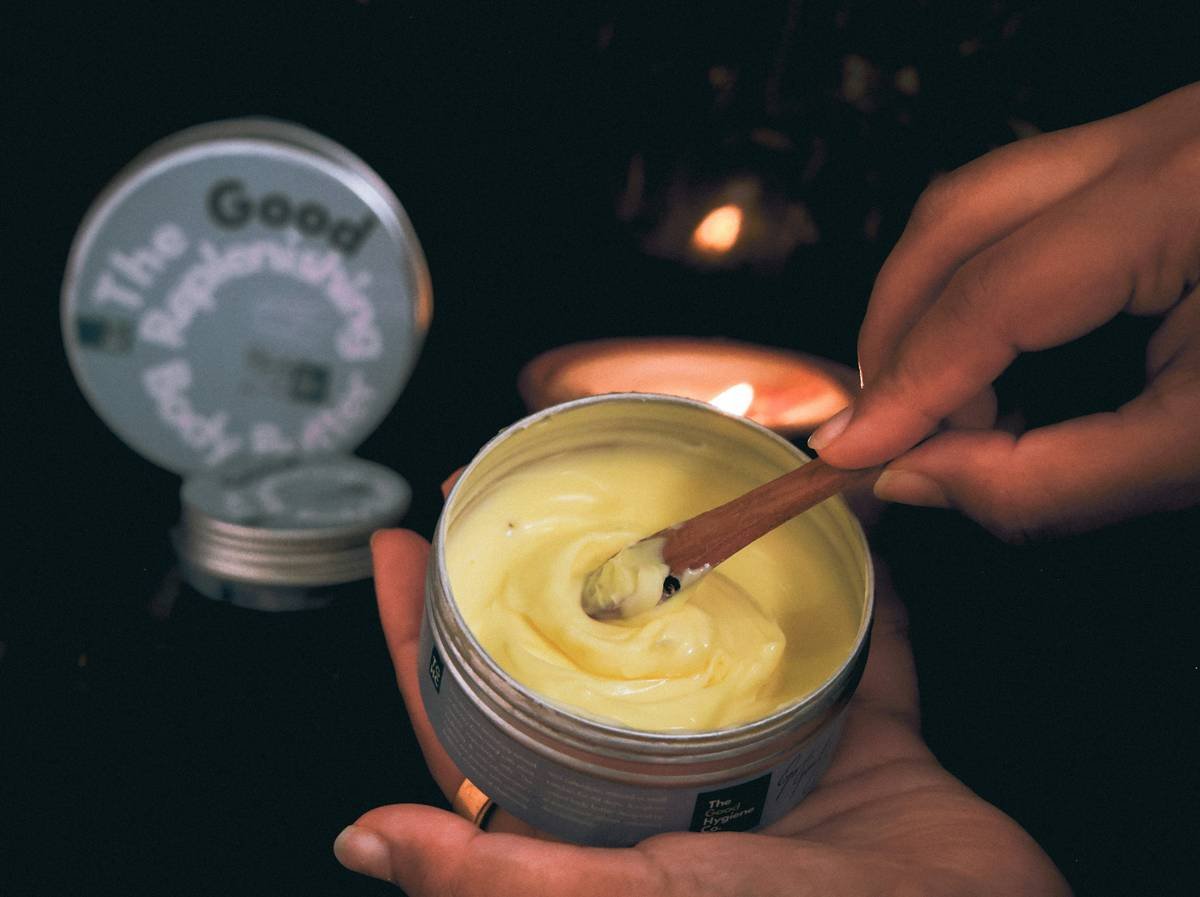
Here’s where most people mess up: they glob it on like lip balm and wonder why their foundation pills. As a working makeup artist who’s prepped models in everything from Dubai heat to Norwegian snow, I’ve refined a foolproof method:
Step 1: Apply to Damp Skin
Never apply balm to dry skin—that just seals in… nothing. After cleansing or misting, while skin is still wet, press in your serum/moisturizer, then follow with balm. This traps existing hydration.
Step 2: Less Is More (Especially Under Makeup)
Optimist You: “Just a pea-sized amount!”
Grumpy You: “Ugh, fine—but only if I’m not running late for my 7 a.m. shoot.”
Seriously: use a grain-of-rice amount for the entire face if wearing makeup. Focus on dry patches (cheeks, chin) using clean fingertips. Let it sink in 2–3 minutes before foundation.
Step 3: Nighttime = Go Big
At night, don’t hold back. Layer over your retinoid or acids to buffer irritation—a trick I learned from dermatologist Dr. Hadley King. It boosts efficacy while preventing peeling.
5 Best Practices for Using Protective Balm for Dry Skin
- Patch test first. Even natural balms can irritate sensitive skin. Try behind your ear for 48 hours.
- Avoid comedogenic ingredients if acne-prone. Skip coconut oil or cocoa butter; opt for squalane or dimethicone-based balms.
- Don’t layer over active treatments haphazardly. Balms can trap actives against skin—great for hydration, risky with high-strength acids unless directed.
- Clean your applicator. Finger-dipping breeds bacteria. Use a spatula or wash hands first.
- Reapply during extreme exposure. Skiing? Windburn? Reapply every 4–6 hours like sunscreen.
TERIBLE TIP ALERT ❌
“Use petroleum jelly as your everyday face balm.” Hard pass. While Vaseline is an excellent occlusive, its heavy texture clogs pores for many and wreaks havoc under makeup. Stick to cosmetic-grade, non-comedogenic alternatives unless you’re doing an overnight mask once a week.
Real Results: How a Protective Balm Transformed My Client’s Winter Skin
Last January, my client Lena—a flight attendant constantly battling pressurized cabins and jet lag—came to me with red, flaky cheeks that wouldn’t hold makeup. Her routine? A gel moisturizer (way too light) and SPF 50. We swapped her AM moisturizer for a ceramide-rich balm (Avene Cicalfate+ Restorative Protective Cream) used only on dry zones, and added a nighttime balm layer over hyaluronic acid.
Within 10 days: flaking gone. By week 3: foundation applied smoothly, even after 14-hour flights. She sent me a selfie with the caption: “I look alive again.” That’s the power of strategic occlusion—not just slapping on grease, but targeted barrier support.
FAQs About Protective Balm for Dry Skin
Can I wear makeup over a protective balm?
Yes—if you use a lightweight, fast-absorbing formula and apply sparingly. Wait 2–3 minutes before foundation to avoid pilling.
Is balm better than moisturizer for dry skin?
Not “better”—different. Moisturizers deliver hydration; balms lock it in. Use both for best results: moisturizer first, balm last.
Will a protective balm clog pores?
Potentially—if it contains comedogenic ingredients like lanolin or coconut oil. Look for “non-comedogenic” labels and patch test.
How often should I apply it?
Nightly for full-face use. During the day, spot-apply to dry areas as needed—especially in cold, windy, or dry climates.
Can it help with eczema or psoriasis?
It can support symptom relief by reducing TEWL and soothing irritation, but it’s not a treatment. Always consult a dermatologist for medical conditions.
Final Thoughts
A protective balm for dry skin isn’t just another beauty trend—it’s a science-backed shield your barrier craves when humidity drops and heaters blast. From personal fails (RIP, that photoshoot) to client wins, I’ve seen how the right balm transforms not just skin health, but confidence. Remember: look for smart formulations, apply strategically, and never mistake occlusion for overloading.
Now go rescue your skin from parched purgatory—one rice-grain dab at a time.
Winter skin haiku:
Wind steals all your dew—
Balm builds walls of soft protection.
Cheeks bloom through the frost.