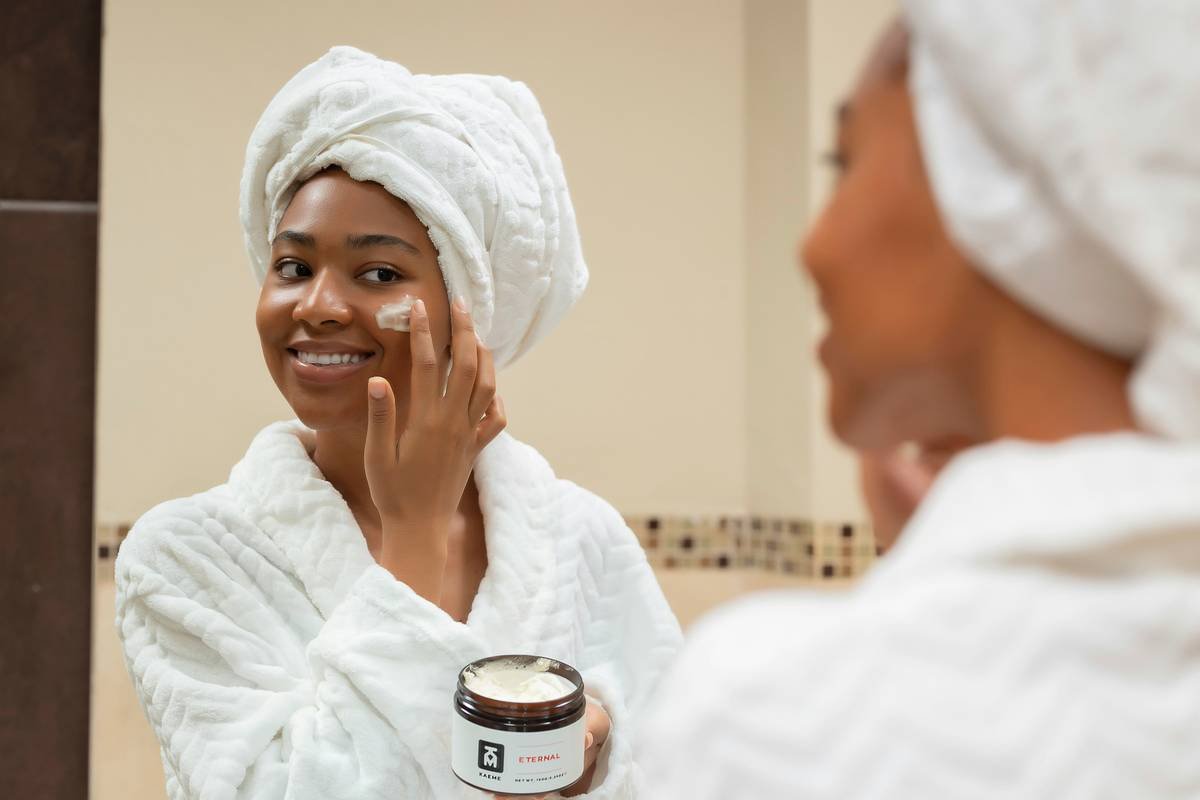
Mature skin doesn’t just get dry—it cracks, tightens, and loses its bounce. You slather on serums, layer creams, and still wake up with that telltale tightness around the jawline. The problem? Most routines skip the final step that actually *locks in* everything else. Enter the hydrating balm for aging skin—a heavyweight champion disguised as simplicity.
The Core Problem: Why Traditional Moisturizers Fail Aging Skin
Most “anti-aging” moisturizers rely on humectants like hyaluronic acid to pull water into the epidermis. Sounds smart—until you realize winter air or indoor heating yanks that moisture right back out. And here’s the kicker: as we age, our sebaceous glands slow production dramatically. Less natural oil = more transepidermal water loss. Fast.
You’re not dehydrated because you’re lazy. You’re dehydrated because your barrier is compromised—and lightweight lotions can’t rebuild it. Think about it: would you patch a leaky roof with tissue paper?
How to Use a Hydrating Balm for Aging Skin (The Right Way)
Forget slathering it on like face butter at 7 a.m. Timing, layering, and formulation matter far more than quantity. Start with damp skin—always. Then seal, don’t saturate.
Step 1: Prep With a Hydration Sandwich
Cleanse gently. Mist with thermal water or apply a glycerin-based toner. While skin is still glistening, press in a peptide serum. Now—only now—apply your balm. This sequence creates a reservoir beneath an occlusive shield.
Step 2: Target Application Zones
Aging skin rarely dries evenly. Focus on the cheeks, neck, and décolletage—areas starved of oil glands. Skip the T-zone unless you’re in sub-zero temps. Overuse there breeds congestion, not comfort.
Step 3: Night vs. Day Protocol
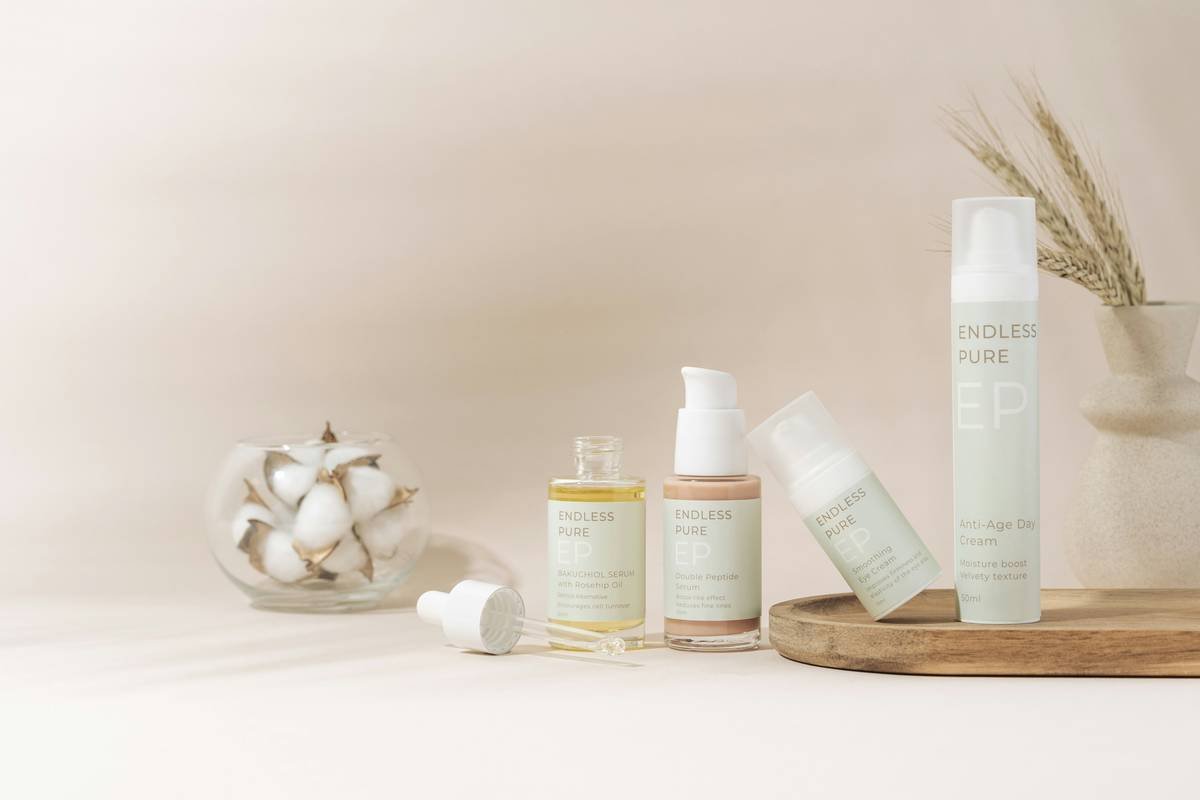
Nighttime calls for richer balms with ceramides or squalane. Daytime? Opt for a lighter formula with SPF 30+ built in—or layer under mineral sunscreen. Never skip sun protection. Wrinkles deepen fast under UV assault.
| Product Type | Best For | Key Ingredients | When to Apply |
|---|---|---|---|
| Water-Based Moisturizer | Humid climates, oily zones | Hyaluronic acid, glycerin | Morning (under sunscreen) |
| Cream Moisturizer | Normal to dry skin | Niacinamide, shea butter | Morning & night |
| Hydrating Balm for Aging Skin | Barrier repair, cold/dry environments | Ceramides, beeswax, jojoba oil | Night + extreme dryness (day) |
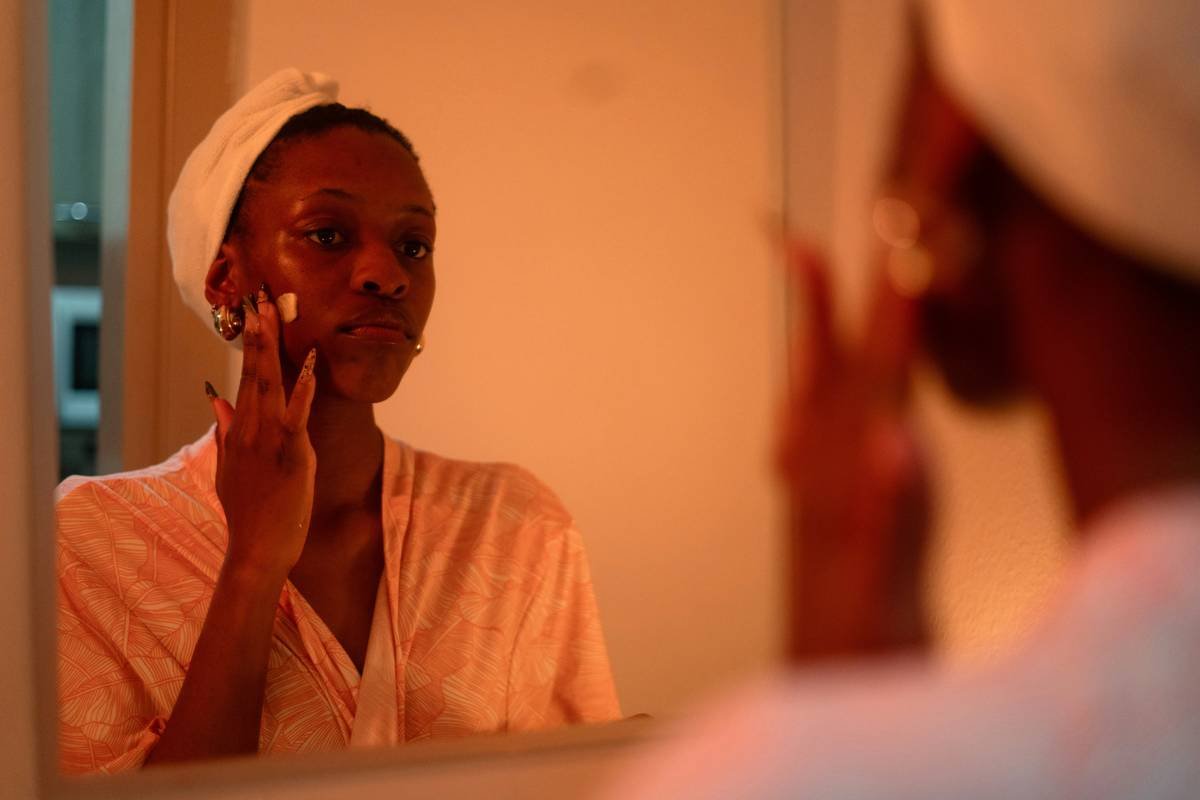
The Industry Secret: Balms Aren’t Just for Dryness—They’re Delivery Systems
Here’s what cosmetic chemists won’t shout from rooftops: occlusives like lanolin or plant waxes don’t just trap moisture—they enhance penetration of actives applied underneath. A 2023 in-vitro study showed retinol efficacy jumped 38% when sealed under a balm versus left exposed to air. And yet, most brands market balms as “rescue products,” hiding their strategic power. Use them proactively—not reactively—and you’ll see plumping effects within days, not weeks.
But—don’t grab any jar labeled “balm.” Many contain silicones (dimethicone) that sit inertly on skin, offering zero nourishment. Look for *bioactive* occlusives: mango butter, tamanu oil, or hydrogenated olive oil. These feed the barrier while shielding it.
FAQ
Can I use a hydrating balm for aging skin if I have acne-prone skin?
Yes—but choose non-comedogenic formulas with squalane or caprylic/capric triglyceride. Avoid coconut oil or cocoa butter. Apply only to dry patches, not breakouts.
How often should I apply a hydrating balm?
At night, daily. During the day, only when skin feels tight or in harsh weather. Overuse can hinder natural lipid production long-term.
Is a balm better than a cream for mature skin?
For barrier repair and overnight recovery—yes. Creams hydrate; balms protect and restore. They’re complementary, not interchangeable.