Dry, reactive skin doesn’t need more layers—it needs intelligent defense. Endless serums and heavy moisturizers often clog pores or worsen irritation, especially in harsh weather or high-pollution environments. The solution isn’t just hydration. It’s strategic shielding. Enter the calming protective balm: your skin’s silent bodyguard against modern aggressors.
The Illusion of Moisture: Why Conventional Skincare Fails Sensitive Skin
Most “soothing” lotions rely on occlusives like petrolatum or dimethicone that sit on the surface—great for sealing moisture, terrible for letting skin breathe. And if you’re prone to redness or eczema? Those formulas can trap heat and irritants right where you don’t want them.
A clinical formulation scientist once told me off-record: “We design creams to feel luxurious—not necessarily to heal.” Harsh truth. Texture sells. Efficacy gets compromised.
How to Choose and Use a Calming Protective Balm Like a Pro
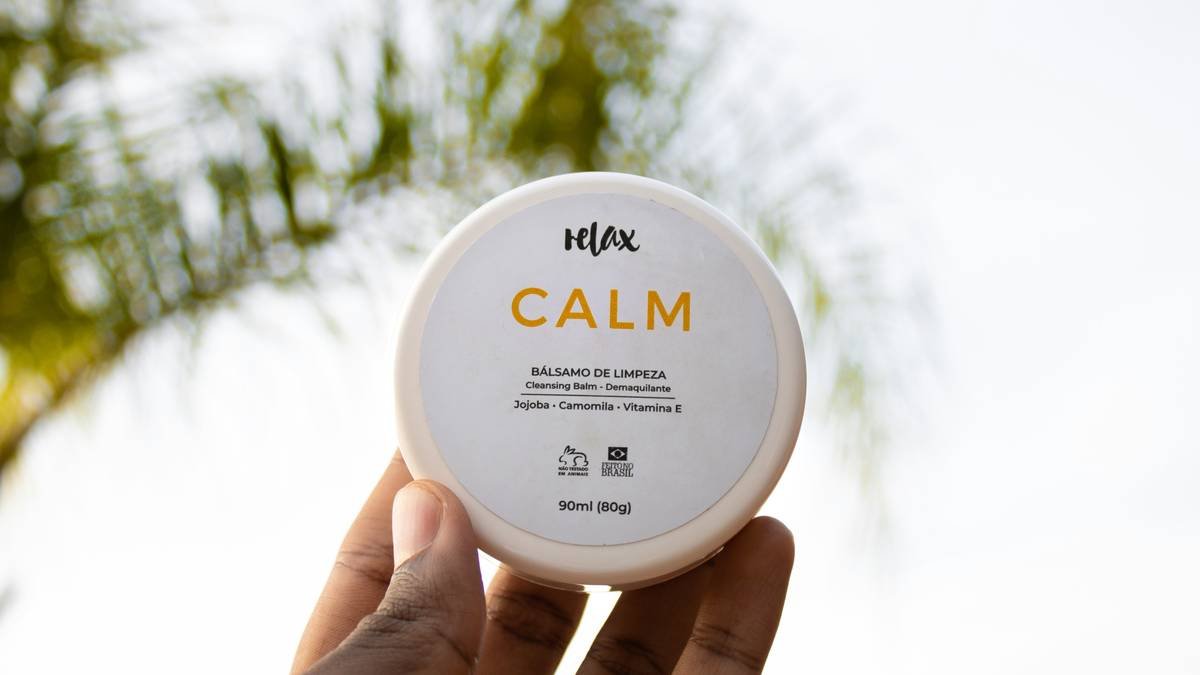
Not all balms are created equal. Some are waxy bricks masquerading as skincare. Others drown your face in essential oils that spark sensitivity. The winning formula balances three things: barrier fortification, anti-inflammatory actives, and breathable occlusion.
Look for These Non-Negotiable Ingredients
Zinc oxide (non-nano), colloidal oatmeal, and squalane from sugarcane—not shark liver—are your holy trinity. Avoid lanolin unless you’ve patch-tested it; surprisingly common allergen. And skip anything labeled “fragrance”—even natural extracts like lavender can trigger flare-ups in compromised skin.
Application Timing Matters More Than You Think
Apply your calming protective balm after your serum but before sunscreen in the AM. At night? Use it as the final step—but only on areas needing rescue: nose, chin, or wind-chapped cheeks. Less is more. This isn’t Vaseline-on-a-cold-sore territory.
Real-World Performance: Balms vs. Traditional Moisturizers
| Factor | Calming Protective Balm | Standard Facial Moisturizer |
|---|---|---|
| Barrier Repair Speed | 4–12 hours (visible reduction in redness) | 24–72 hours (if at all) |
| Pollution Defense | Yes—physical film blocks PM2.5 | No—absorbs quickly, offers zero shield |
| Ideal For | Windburn, mask rash, post-procedure skin | Normal, stable skin types |
| Comedogenic Risk | Low (if non-pore-clogging base used) | Moderate to high (many contain silicones) |
The Industry Secret: Dermatologists Layer Balms Differently Than Advertised
Here’s what brands won’t tell you: pros rarely use balms alone. They “sandwich” them. Cleanse → mist with thermal water → apply a pea-sized amount of balm → seal with a lightweight mineral SPF. The moisture from the mist gets locked in, while the balm deflects external stressors. It’s physics meeting physiology.
Think about it: your skin doesn’t need to be soaked. It needs to be armored—with flexibility. A well-formulated calming protective balm does exactly that—without greasiness or pilling under makeup.
And yes, some estheticians even mix a rice-grain amount into foundation for clients flying cross-country. Dry cabin air? Neutralized.
Frequently Asked Questions
Can I use a calming protective balm under makeup?
Yes—if applied sparingly on targeted zones. Let it absorb 2 minutes before foundation. Avoid full-face application unless your makeup is mineral-based.
Is it safe for acne-prone skin?
Depends on the base. Look for non-comedogenic oils like jojoba or meadowfoam seed. Patch test first. Never layer over active breakouts.
How often should I reapply?
Once in the morning suffices for most. Reapply only after swimming, excessive sweating, or towel-drying—just like sunscreen.