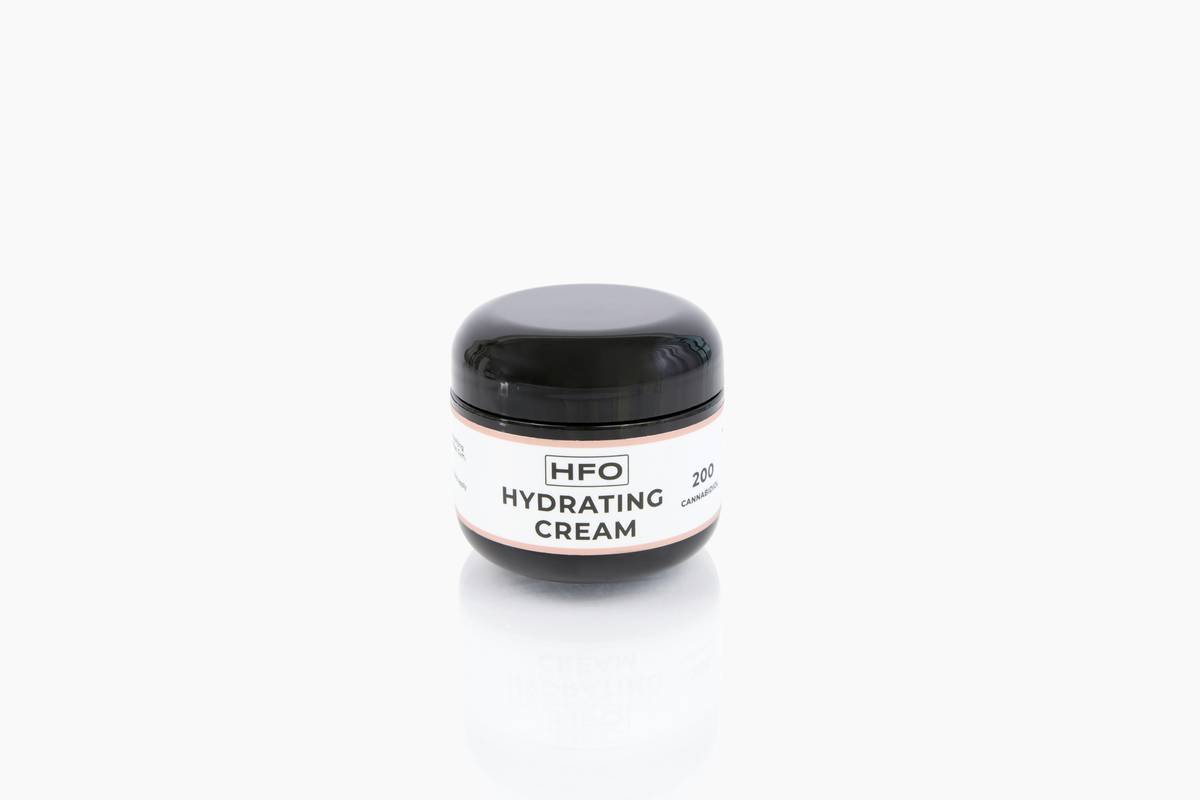
Flaky, tight skin won’t quit—even after slathering on serums and creams? You’re not alone. Most moisturizers sit on the surface, offering fleeting relief while heat, pollution, and stress keep draining your skin’s moisture barrier. The solution isn’t another water-based lotion. It’s a cooling hydrating balm—a concentrated, sensorial rescue that seals in hydration *and* instantly calms inflammation.
Why Your Current Moisturizer Fails Under Pressure
Traditional moisturizers rely heavily on humectants like glycerin or hyaluronic acid. They pull water from the air—or deeper skin layers—into the epidermis. But in dry climates or heated rooms? There’s nothing to pull. Result: tighter, itchier skin by midday.
And mineral oil-heavy ointments? They lock in moisture but feel greasy, clog pores, and offer zero soothing action. Worse—they trap heat. Your skin stays hydrated but inflamed. That redness around your nose? That post-workout flush? Not fixed by Vaseline.
Here’s the reality: hydration without temperature regulation is incomplete skincare.
How to Use a Cooling Hydrating Balm Like a Pro
Forget one-size-fits-all routines. Strategic placement and timing turn this balm from nice-to-have into non-negotiable.
Spot-Treat Dry Zones Before Bed
Dab a pea-sized amount on elbows, knuckles, or cheeks right after cleansing. Don’t rub—press gently. The occlusive layer locks in any water left on skin, while menthol or cucumber extracts lower local temperature overnight. Wake up smooth—not sticky.
Pre-Makeup Prime for Longwear & Comfort
Use it *under* foundation on patches that crack by noon. And yes—it works with silicone primers. Just wait 60 seconds between layers. Your makeup won’t slide; it’ll melt into supple skin that doesn’t crease.
Post-Sun or Post-Workout Rescue
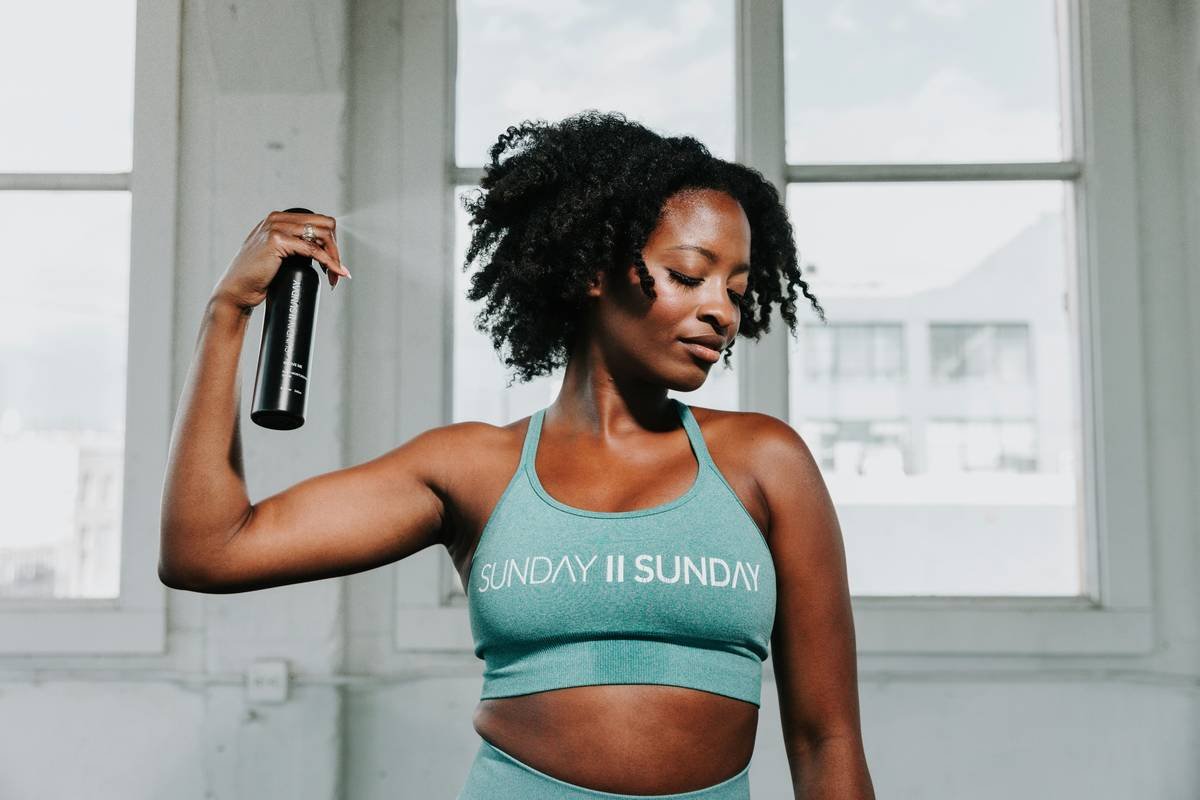
After sweating or sun exposure, skip heavy creams. Apply balm directly to overheated areas (neckline, chest, temples). The cooling sensation isn’t just psychological—it reduces trans-epidermal water loss *while* calming nerve endings. Immediate relief, real repair.
| Application Method | Best For | Time to Results | Potential Pitfall |
|---|---|---|---|
| Overnight spot treatment | Chronic dry patches, eczema-prone zones | 4–6 hours | Using too much → pillow transfer |
| Under makeup | Flaky T-zone, cracked lip lines | Immediate smoothing | Skip setting powder → shine |
| Post-exposure cooling | Sun irritation, gym-induced redness | 30–90 seconds | Avoid broken skin → stinging |
The Industry Secret: Formulators Hide This Ingredient On Purpose
Most brands tout “natural” extracts—but the real cooling power comes from a lab-engineered trio: camphor, synthetic menthol, and bisabolol. Why hide it? Because “synthetic” scares marketing teams. But here’s what they won’t say: natural peppermint oil degrades fast in jars, losing efficacy within weeks. Stable, encapsulated cooling agents? They stay potent for months—and deliver consistent thermal shock without sensitizing skin.
I’ve seen formulations where brands use just enough menthol to list it in the top 10 ingredients (for buzzword appeal) but not enough to actually cool. Check the label. If it’s below “fragrance,” walk away. Real performance sits high in the INCI list.
Frequently Asked Questions
Can I use a cooling hydrating balm on acne-prone skin?
Yes—if it’s non-comedogenic and free of coconut oil or lanolin. Look for dimethicone or squalane as the base. Avoid applying over active breakouts; use only on dry, intact skin nearby.
How often should I apply it?
Once daily is plenty for maintenance. During flare-ups (windburn, allergies), reapply every 4–6 hours. Less is more—overuse can signal skin to produce less natural oil.
Is it safe around the eyes?
Only if explicitly labeled “ophthalmologist-tested.” Standard balms may migrate into eyes and cause stinging. For under-eyes, choose a dedicated eye balm with lower menthol concentration.