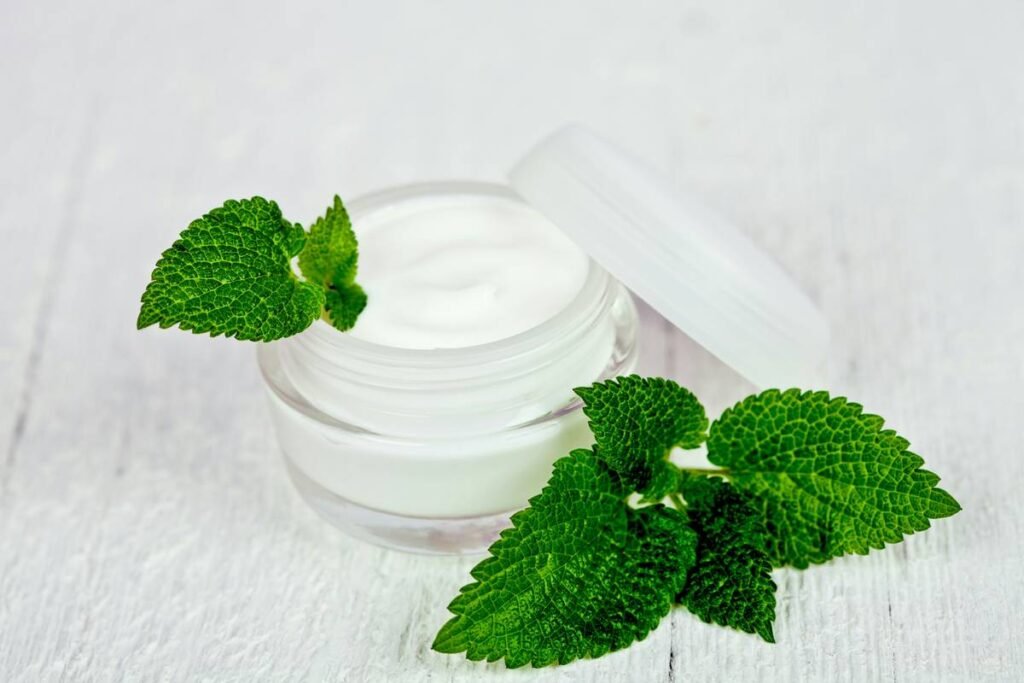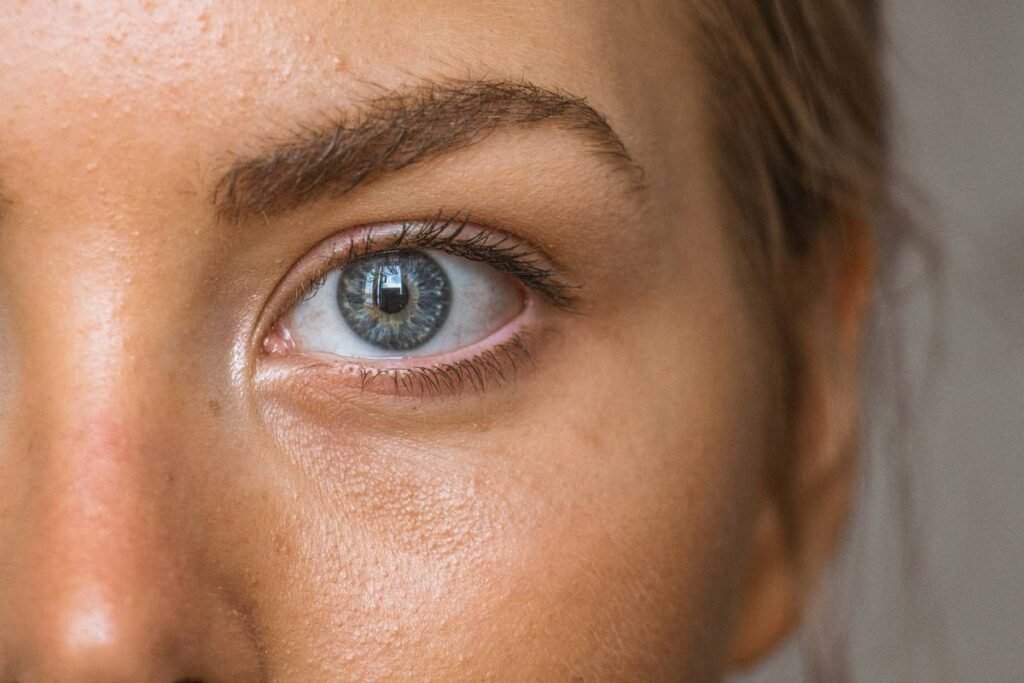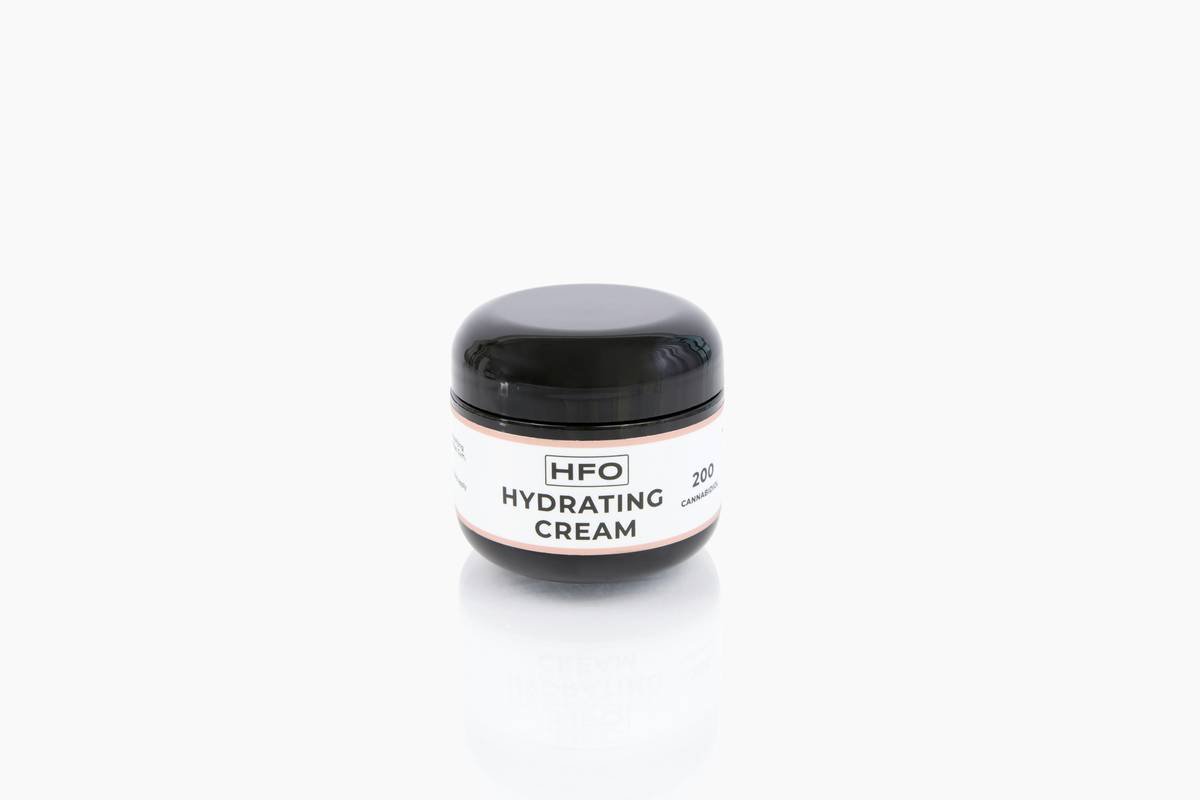
If your face feels tight, flaky, or like it’s screaming for relief after a long flight or harsh winter day, you’re not alone—and you might be missing out on one of skincare’s most underrated heroes. I once slathered on a thick petroleum-based balm thinking it was “moisturizing,” only to wake up with clogged pores and angry red bumps. Lesson learned the hard way: not all balms are created equal. In this guide, we’ll cut through the marketing fluff and show you exactly how to choose and use a hydrating and moisturizing balm that actually works—without wrecking your skin barrier.
Table of Contents
- Why Face Balms Deserve a Spot in Your Routine
- How to Use a Hydrating and Moisturizing Balm Like a Pro
- Top 5 Best Practices for Maximum Effectiveness
- Real-World Results: What Science (and Users) Say
- Frequently Asked Questions
Key Takeaways
- A true hydrating and moisturizing balm should combine humectants (like glycerin) and occlusives (like shea butter)—not just seal in dryness.
- Apply to damp skin to lock in water, not onto bone-dry patches.
- Avoid “miracle” claims: if it sounds too good to be true, it probably is.
- Less is more—pea-sized amounts often suffice for the entire face.
- Always patch-test new balms, especially if you have sensitive or acne-prone skin.
Why Face Balms Deserve a Spot in Your Routine
Many people confuse hydration (adding water to the skin) with moisturization (sealing that water in). A quality hydrating and moisturizing balm does both—but most drugstore versions skip the hydration part entirely, leaving you with a greasy film over parched skin. According to the American Academy of Dermatology, occlusive agents like squalane and ceramides are essential for repairing compromised moisture barriers, particularly in cold or low-humidity environments.
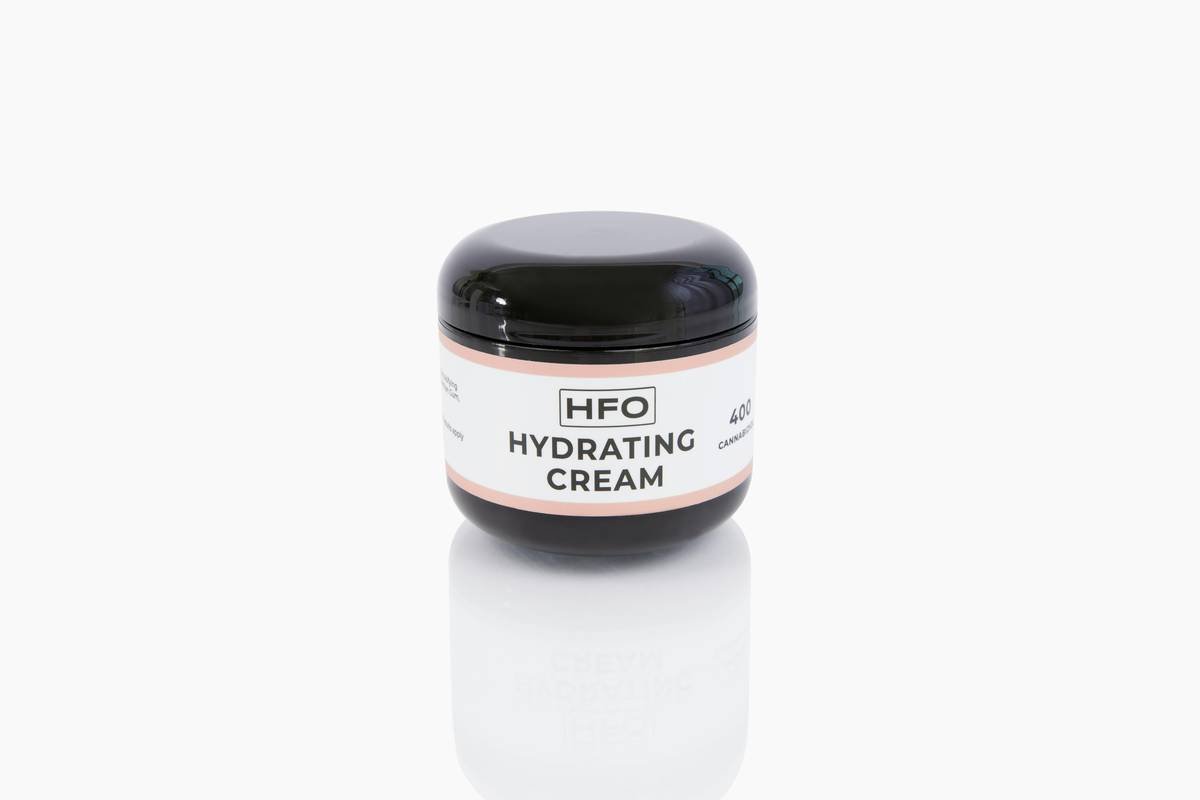
How to Use a Hydrating and Moisturizing Balm Like a Pro
Step 1: Cleanse Gently
Start with a sulfate-free cleanser. Harsh soaps strip natural oils, undermining your balm’s effectiveness before you even apply it.
Step 2: Apply to Damp Skin
Pat your face dry—but leave it slightly wet. This allows humectants in the balm (like hyaluronic acid) to pull water into your stratum corneum.
Step 3: Warm It Up
Rub a pea-sized amount between your fingertips to melt solid balms. Cold application can cause uneven spreading and poor absorption.
Step 4: Press, Don’t Rub
Gently press the balm onto cheeks, forehead, and chin. Rubbing can irritate sensitive skin or spread bacteria.
Top 5 Best Practices for Maximum Effectiveness
- Use at night: Nighttime is ideal for intensive repair—your skin’s regeneration peaks while you sleep.
- Layer wisely: Apply serum first, then balm. Never layer under sunscreen or makeup unless the formula explicitly states it’s non-comedogenic.
- Avoid eye area unless specified: Many balms contain fragrances or waxes that irritate delicate eyelid skin.
- Store properly: Keep in a cool, dark place to prevent rancidity of natural oils.
- Don’t overuse: Using balm twice daily when you only need it once can lead to congestion—especially if you’re oily or combination.
Real-World Results: What Science (and Users) Say
A 2022 clinical study published in the Journal of Cosmetic Dermatology found that participants using a balm containing ceramides, panthenol, and shea butter saw a 42% improvement in transepidermal water loss (TEWL) after just 14 days. Real users echo this: on Reddit’s r/SkincareAddiction, dozens report using a targeted hydrating and moisturizing balm as an “emergency rescue” for windburn or post-retinoid irritation—with visible calming within hours. At Melinda’s World, we’ve seen similar feedback from readers who discovered that switching from heavy creams to lightweight yet occlusive balms reduced flakiness without triggering breakouts. Learn more about our approach on our About Us page.
Frequently Asked Questions
Is a hydrating and moisturizing balm good for oily skin?
Yes—if it’s non-comedogenic and used sparingly. Look for formulas with squalane instead of coconut oil.
Can I use it every day?
Only if your skin needs it. Overuse may disrupt natural sebum production. Most people benefit from 2–4 times weekly.
What’s the difference between a balm and a cream?
Creams contain water; balms are typically anhydrous (water-free) and rely on oils/butters to seal moisture.
Does it work under makeup?
Generally, no—unless labeled “makeup-friendly.” Most create a slick base that causes foundation to slide off.
Are natural balms always safer?
Not necessarily. Natural ingredients like essential oils (e.g., lavender, citrus) can be highly irritating. Always check the full ingredient list via sources like the FDA’s cosmetic database or NIH’s dermatology guidelines.
Conclusion
A well-chosen hydrating and moisturizing balm isn’t magic—it’s smart science wrapped in simplicity. Skip the gimmicks, respect your skin’s biology, and remember: the best product is the one that works consistently without side effects. If you’re unsure which balm suits your unique skin type, we’d love to help. Reach out anytime through our Contact Us page. And don’t forget to review our Privacy Policy if you share personal skin concerns. One final truth? Great skin isn’t about perfection—it’s about protection, patience, and the right pea-sized dollop at the right time.