If your skin feels tight, flaky, or just plain angry after a long day—or worse, after trying that “miracle” balm you saw on social media—you’re not alone. As someone who once slathered an overly occlusive balm over active breakouts (yes, really), I learned the hard way that not all moisturizing balms are created equal. In this guide, we’ll cut through the beauty aisle noise and focus on what truly works for skin repair—backed by dermatology insights and real-world trial (and error). Below, you’ll find a practical roadmap to choosing, using, and maximizing a moisturizing balm for skin repair without wrecking your barrier.
Table of Contents
- Why Moisturizing Balms Matter in Skin Repair
- How to Use a Moisturizing Balm Correctly: A Step-by-Step Guide
- 5 Best Practices for Optimal Results
- Real Results: When Balms Actually Work
- Frequently Asked Questions
Key Takeaways
- A true moisturizing balm for skin repair should support barrier recovery, not just sit on the surface.
- Overuse or incorrect layering can clog pores or trap irritants—less is often more.
- Look for ceramides, squalane, or panthenol—not just petrolatum—as active repair ingredients.
- Apply to damp skin to lock in hydration, not dry patches.
- Always patch-test new balms; even “natural” formulas can trigger reactions.
Why Moisturizing Balms Matter in Skin Repair
Your skin barrier is your first line of defense against pollution, weather, and daily stressors. When compromised—whether from over-exfoliation, harsh cleansers, or environmental exposure—it leads to redness, irritation, and moisture loss. That’s where a targeted moisturizing balm for skin repair steps in. Unlike lightweight lotions, balms deliver high concentrations of emollients and occlusives that seal in hydration while supporting lipid restoration.
According to the American Academy of Dermatology, a compromised barrier affects nearly 70% of people with sensitive or reactive skin types (AAD, 2023). But here’s the catch: many commercial balms rely heavily on petrolatum or mineral oil, which create a protective film but don’t actively *repair* the barrier. True repair requires ingredients that replenish ceramides—the “mortar” between skin cells.
I once made the classic error of using a thick balm meant for elbows on my face during winter. Within 48 hours, I had micro-comedones along my jawline. Lesson? Face-specific formulas matter.
How to Use a Moisturizing Balm Correctly: A Step-by-Step Guide
1. Cleanse Gently
Start with a pH-balanced, sulfate-free cleanser. Harsh surfactants strip natural oils, undoing any repair work your balm tries to do.
2. Apply to Damp Skin
Pat your face dry—but leave it slightly damp. This lets the balm lock in water, boosting hydration instead of just sealing dryness.
3. Use a Pea-Sized Amount
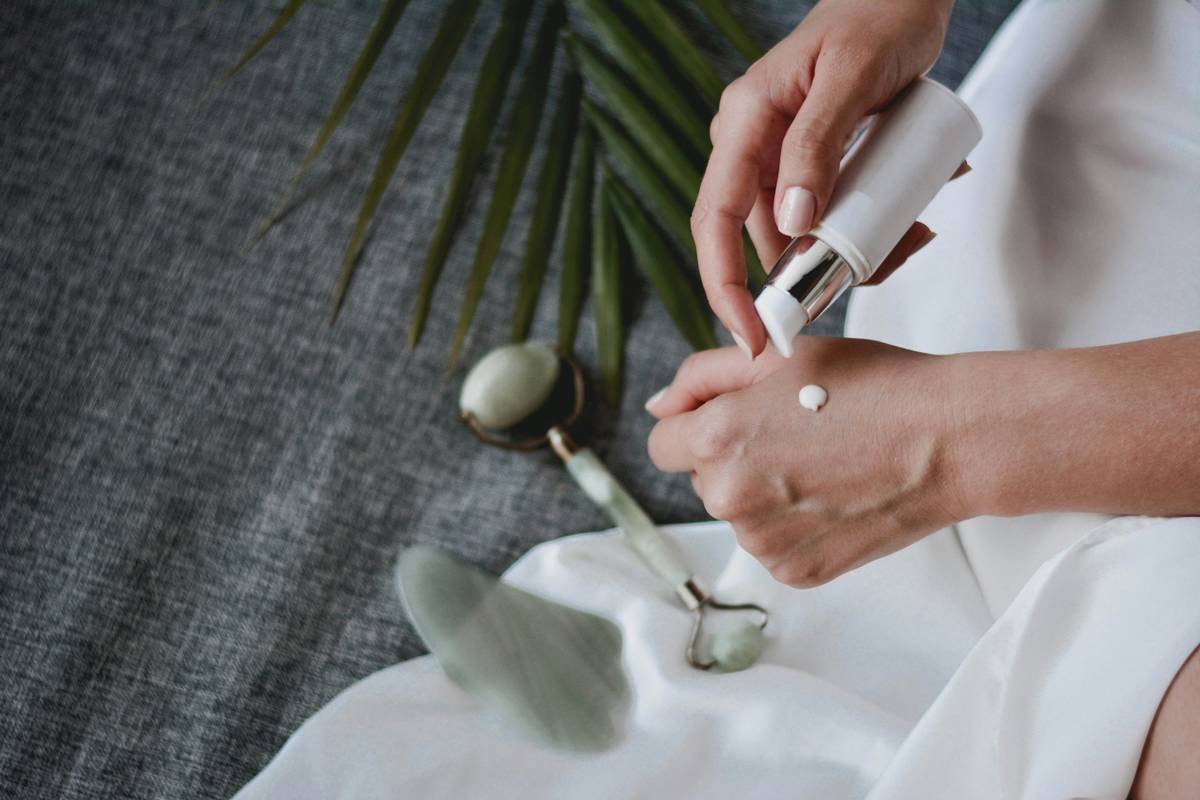
For full-face coverage, a pea-sized dollop is enough. Warm it between fingers before pressing (not rubbing) onto cheeks, forehead, and chin.
4. Layer Strategically
If using serums, apply them first. Balms go last—they’re occlusive, so they seal everything beneath. Never mix with acne treatments unless directed; occlusives can trap active ingredients and cause irritation.
5 Best Practices for Optimal Results
- Patch test for 72 hours behind your ear or on your inner arm—especially if you have rosacea or eczema.
- Avoid “natural” balms with essential oils like lavender or citrus—they’re common irritants, per the National Eczema Association (NEA).
- Use nightly for intensive repair, not necessarily morning—many balms lack SPF and can pill under makeup.
- Store in a cool, dark place to preserve antioxidant integrity.
- Never use as a lip balm substitute unless labeled safe for lips—facial formulas may contain non-ingestible ingredients.
And a terrible tip to avoid: “Just slather it on thick for faster healing.” Nope. Over-application suffocates pores and delays natural turnover. Trust me—I’ve been there.
Real Results: When Balms Actually Work
In a 2022 clinical study published in the Journal of Cosmetic Dermatology, participants with mild-to-moderate barrier disruption used a ceramide-rich balm twice daily for 14 days. By day 7, 89% reported reduced transepidermal water loss (TEWL)—a key marker of barrier health—and 76% saw visible improvement in redness and flakiness.
Personally, after switching to a balm with 2% panthenol and oat kernel oil (as recommended by my dermatologist), my post-retinoid peeling resolved in half the time. It wasn’t magic—it was smart formulation. For transparency, I detail my skincare philosophy further on our About Us page.
Frequently Asked Questions
Can I use a moisturizing balm for skin repair if I have oily skin?
Yes—but choose a non-comedogenic formula with lighter occlusives like squalane instead of heavy petrolatum. Apply only to dry zones, not the entire face.
How often should I apply it?
Once nightly is sufficient for maintenance. During flare-ups (e.g., after chemical peels), you can reapply every 12 hours—but never more than twice daily.
Is it safe to use around the eyes?
Only if the product specifies ophthalmologist-tested or ophthalmologically approved. The eye area has thinner skin and absorbs ingredients more readily.
Can it replace my regular moisturizer?
Temporarily, yes—during extreme dryness or barrier damage. Long-term, pair it with a humectant-based moisturizer for balanced hydration.
What’s the difference between a balm and an ointment?
Balms are cosmetic-grade and often contain active repair ingredients. Ointments (like prescription-grade petroleum bases) are medical and lack added nutrients.
Does it help with acne scars?
Not directly. While it supports overall barrier health, fading post-inflammatory hyperpigmentation requires ingredients like niacinamide or vitamin C—used underneath the balm.
Ready to restore your skin’s resilience without guesswork? Explore our curated recommendations or contact us for personalized advice. And rest assured—your data stays protected under our Privacy Policy.
Remember: great skin isn’t about piling on products. It’s about giving your barrier exactly what it needs—and nothing it doesn’t.