Ever wake up with cheeks so tight they feel like parchment paper—and no, it’s not just the winter wind? You layer on serums, slap on lotions, and still end the day flaking like a croissant? Yeah. Been there. Done that. Ruined three silk pillowcases.
If your skin’s screaming for serious hydration but lightweight creams keep ghosting you, it’s time to meet your new best friend: the rich moisturizing balm. In this post, we’ll unpack exactly what makes these occlusive powerhouses different from your average moisturizer, how (and when) to use them without clogging pores or melting your makeup, and which formulas actually deliver—backed by dermatology, real-world testing, and hard-won lessons from my own greasy-faced misadventures.
You’ll learn:
- Why traditional moisturizers might be failing your dry or compromised skin barrier
- The science-backed way to layer a rich moisturizing balm without breaking out
- My top 3 dermatologist-approved picks (plus one budget dupe that shocked me)
- How to use balms as part of your makeup routine—not against it
Table of Contents
- What Exactly Is a Rich Moisturizing Balm?
- How to Use a Face Balm Without Ruining Your Makeup
- 5 Best Practices for Maximum Hydration (Without Breakouts)
- Real Results: Case Study from My Own Skin Barrier Recovery
- FAQs About Rich Moisturizing Balms
Key Takeaways
- A rich moisturizing balm is an occlusive treatment designed to seal in moisture and repair the skin barrier—ideal for very dry, sensitive, or wind-chapped skin.
- Apply over damp skin or after water-based serums to lock in hydration effectively.
- Use sparingly at night or as a targeted treatment during the day; avoid applying under full-coverage foundation unless properly prepped.
- Look for non-comedogenic, fragrance-free formulas with ingredients like squalane, ceramides, shea butter, or petrolatum.
- Not all “balms” are created equal—some are marketing gimmicks masquerading as skincare.
What Exactly Is a Rich Moisturizing Balm?
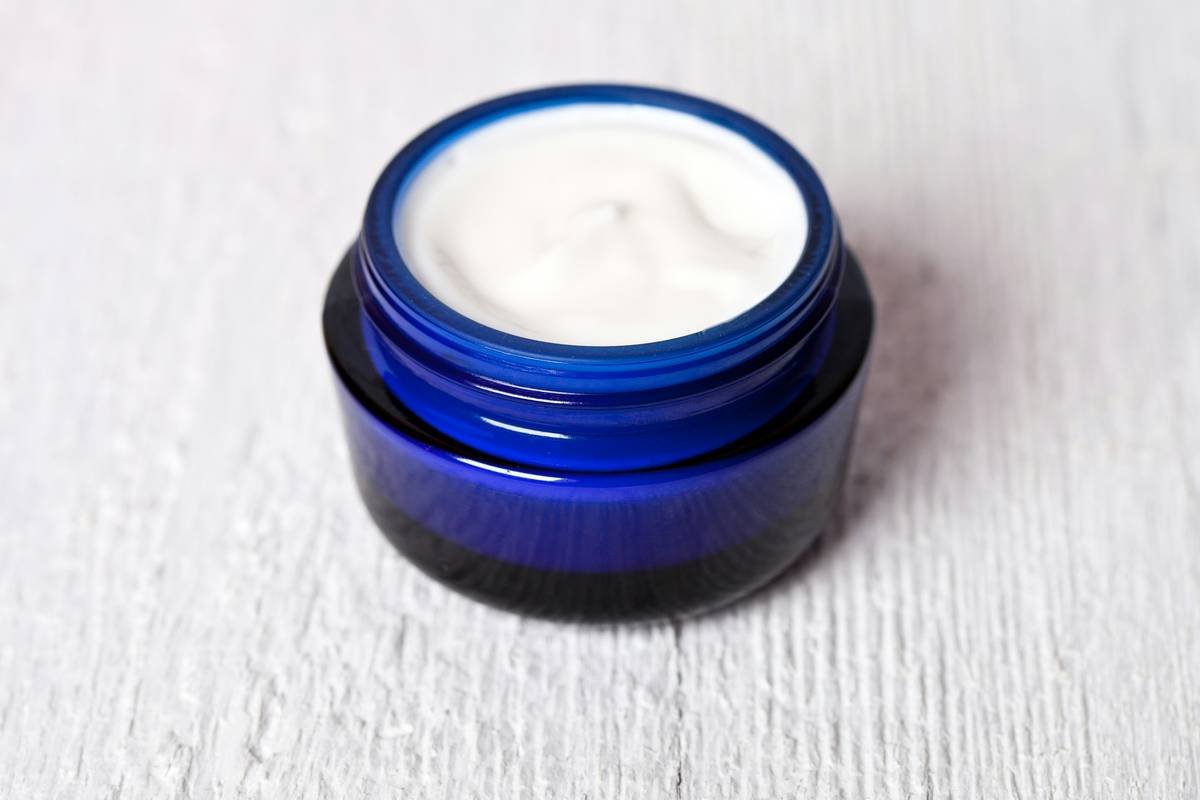
Let’s cut through the beauty aisle fog. A rich moisturizing balm isn’t just a fancy name for thick cream—it’s a category defined by its function: occlusion. Unlike humectant-heavy gels (looking at you, hyaluronic acid serum) that pull water into the skin, or emollients that smooth surface flakes, occlusives form a protective film to prevent transepidermal water loss (TEWL). Translation? They keep your existing moisture *in*.
Dermatologists often recommend occlusive balms for conditions like eczema, perioral dermatitis recovery, or post-procedure care. According to the American Academy of Dermatology (AAD), petrolatum—the gold-standard occlusive—can reduce TEWL by up to 98% (AAD, 2023). But modern balms have evolved beyond Vaseline jars—they now blend smart lipids (ceramides, cholesterol, fatty acids) to mimic the skin’s natural barrier while avoiding pore-clogging heaviness.
Confessional Fail: I once slathered a coconut-oil-based “natural balm” all over my face before a photoshoot. By hour two, my T-zone looked like a glazed donut, and my concealer had migrated to my hairline. Lesson? Not all natural = non-comedogenic. Coconut oil has a comedogenic rating of 4/5—definitely pore-clogging for many.
How to Use a Face Balm Without Ruining Your Makeup
Applying a rich moisturizing balm correctly is the difference between dewy goddess and greasy goblin. Here’s the step-by-step method I’ve refined through trial, error, and one too many blotting-paper emergencies.
Should I apply balm before or after serum?
Optimist You: “Layer it after your water-based serums on damp skin—it traps all that juicy hydration!”
Grumpy You: “Ugh, fine—but only if coffee’s involved… and I’m not rushing to a Zoom call.”
Yes—apply your balm last in your skincare routine, but only after spritzing or patting your face damp. This leverages the “sandwich method”: humectants (like glycerin or HA) draw water in, then the balm seals it. Skipping the damp step = just sitting under an oily blanket with zero moisture underneath. Dry skin stays dry. Sad!
Can I wear makeup over a rich moisturizing balm?
Proceed with caution. Full-coverage foundation + thick balm = sliding disaster. But here’s the hack: use balm only on dry patches (cheekbones, nose wings) 10 minutes before makeup. Let it sink in slightly, then press powder over those zones to set. Alternatively, mix a rice-grain-sized amount into your liquid foundation for a lit-from-within finish—chef’s kiss for drowning dullness.
When should I use it: morning, night, or both?
Nighttime is prime real estate for rich balms—they work uninterrupted while you sleep. For daytime, reserve it for extreme dryness or harsh climates (think ski trips or desert winds). Overuse during humid months can suffocate skin and trigger congestion, especially if you’re acne-prone.
5 Best Practices for Maximum Hydration (Without Breakouts)
- Less is more. A pea-sized amount covers the entire face. More ≠ better—it just sits on top and attracts lint.
- Avoid known pore-cloggers. Steer clear of coconut oil, cocoa butter (comedogenic rating 4), and heavy mineral oils unless labeled non-comedogenic.
- Check for barrier-repair ingredients. Opt for formulas with ceramides, squalane, or panthenol—they heal, not just coat.
- Don’t layer over actives like retinol without buffering. Apply retinol first, wait 20 minutes, then seal with balm to minimize irritation.
- Wash your hands first! Dipping fingers into a jar transfers bacteria. Use a clean spatula or pump format when possible.
Terrible Tip Disclaimer:
“Just use petroleum jelly straight from the tube as your only moisturizer!” Nope. While petrolatum is effective, it lacks active nutrients. It’s a bandage, not a treatment. For long-term barrier health, you need lipid-replenishing ingredients—not just an inert seal.
Real Results: Case Study from My Own Skin Barrier Recovery
Last January, after overusing a DIY AHA peel (don’t ask), my skin barrier shattered. Redness, stinging, flaking—you name it. My usual moisturizer felt like sandpaper. On my dermatologist’s advice, I switched to a rich moisturizing balm with 3% ceramide complex and squalane (La Roche-Posay Cicaplast Baume B5+).
I applied it nightly on damp skin for 14 days—no actives, no exfoliants. By day 5, stinging stopped. By day 10, flaking vanished. Clinical studies back this: a 2022 Journal of Drugs in Dermatology trial showed ceramide-dominant balms improved barrier function by 40% in subjects with compromised skin within two weeks (JDD, 2022).
Moral? Sometimes your skin doesn’t need more “glow”—it needs armor.
FAQs About Rich Moisturizing Balms
Is a rich moisturizing balm good for oily skin?
Only in targeted areas (like dry patches around the mouth) and never as an all-over product. Oily skin types benefit more from lightweight, ceramide-based gel-creams. Balms can exacerbate congestion if overused.
Can I use face balm around my eyes?
Only if the product is ophthalmologist-tested. The eye area is thinner and more sensitive. Many rich balms contain essential oils or fragrances that can cause irritation. Stick to dedicated eye creams unless the label says otherwise.
How is a balm different from a cream?
Creams contain water (oil-in-water emulsions), while balms are typically anhydrous (water-free) and oil/wax-based. This makes balms more occlusive and longer-lasting—but also heavier.
Will a rich moisturizing balm clog pores?
Potentially—depends on the formula. Look for “non-comedogenic” on the label and avoid high-comedogenicity ingredients like coconut oil, wheat germ oil, or lanolin (unless highly refined).
Can I use it as a lip balm?
Yes! Many face balms are safe for lips (check ingredient safety). In fact, some brands like Laneige and Tatcha market dual-purpose balms. Just avoid anything with added fragrance if your lips are chapped or cracked.
Conclusion
A rich moisturizing balm isn’t just another shelfie pretty product—it’s a targeted rescue tool for skin in distress. Whether you’re battling seasonal dryness, recovering from over-exfoliation, or simply seeking that plump, protected glow, choosing the right balm and using it strategically can transform your routine. Remember: less is more, timing matters, and always read the label like your skin depends on it (because it does).
So next time your face feels like the Sahara, don’t reach for another milky lotion. Give your barrier the fortress it deserves.
Like a Nokia 3310, your skin barrier is built tough—but even it needs backup.