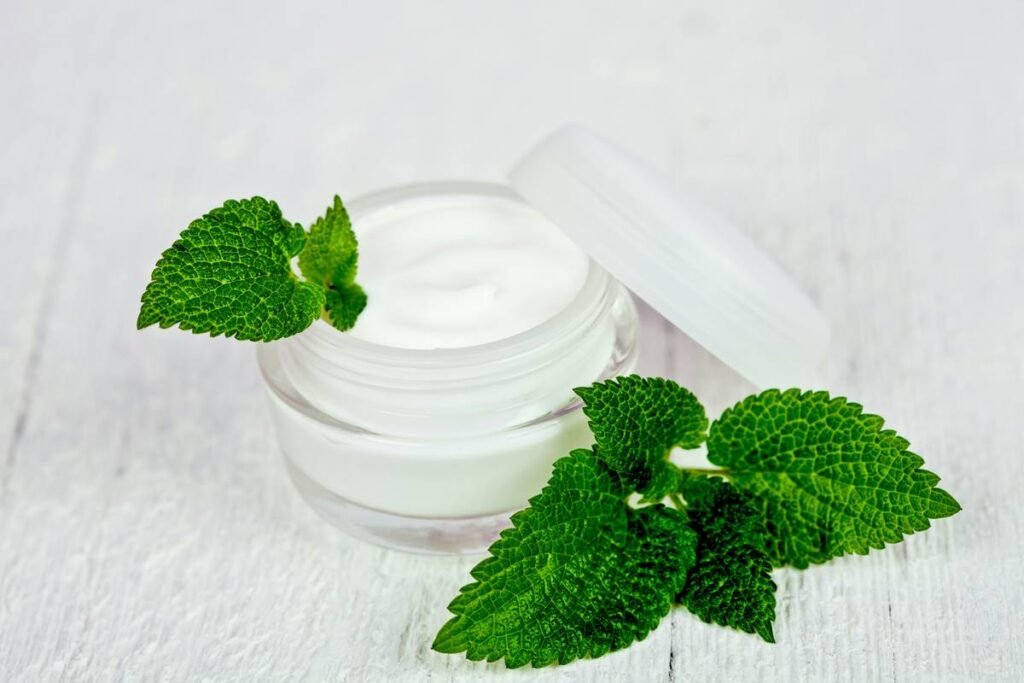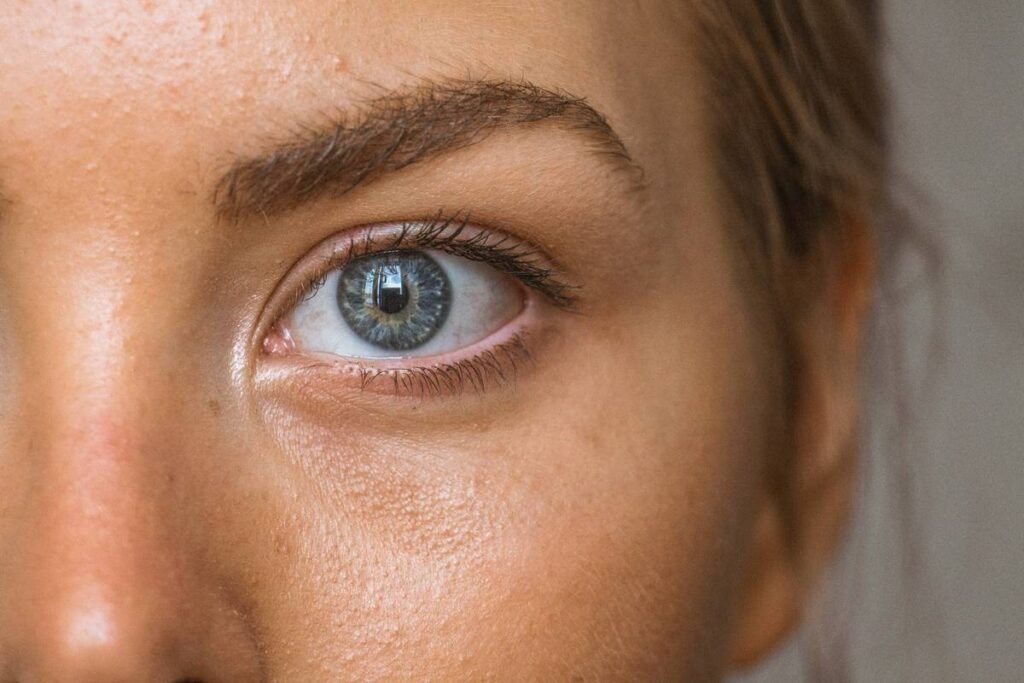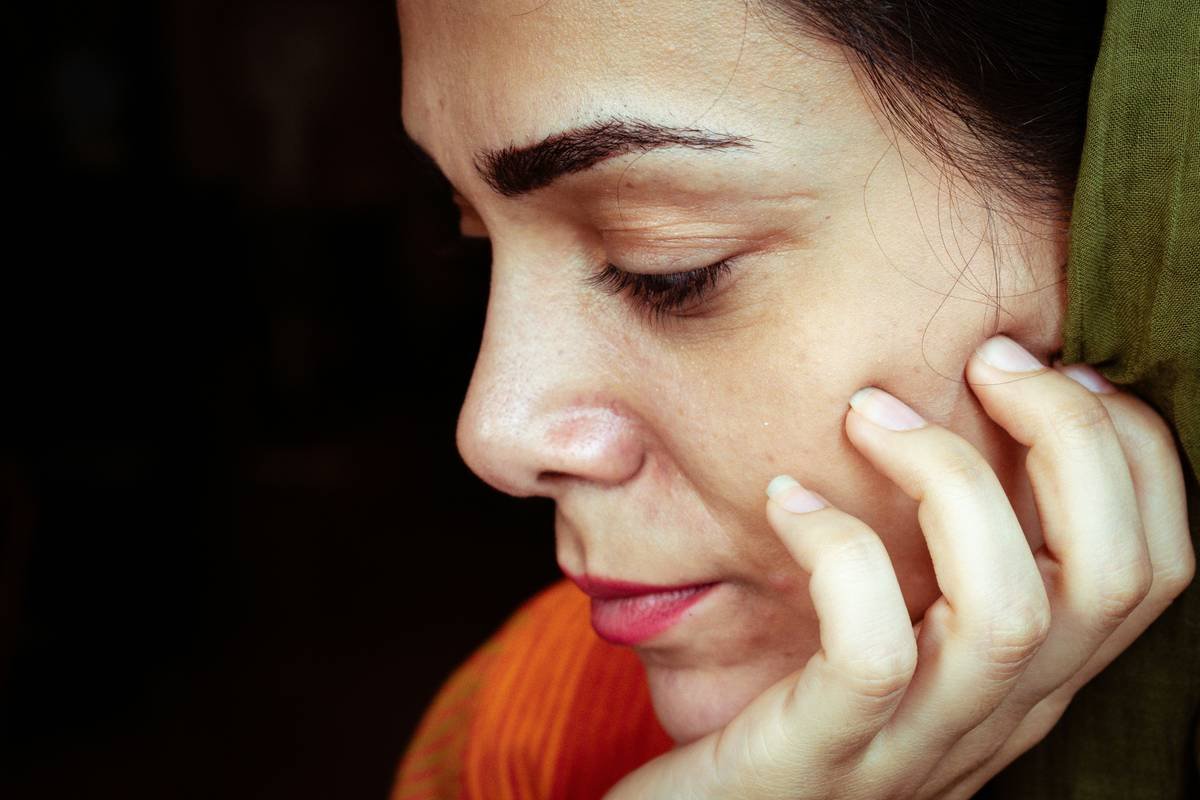
Ever wake up with skin that feels tight, itchy, and looks like it’s been dragged through a desert—despite slathering on your usual “hydrating” cream the night before? Yeah. Been there, cried over cracked foundation, done that.
If your complexion is staging a full-blown mutiny—redness flaring, stinging at the slightest touch, or peeling like sunburn in January—it’s not just “dry skin.” It’s a compromised moisture barrier, and what you likely need isn’t another water-based lotion. You need a calming moisturizing balm: an occlusive-rich, lipid-replenishing hero that doesn’t just moisturize—it repairs.
In this post, you’ll learn exactly what makes a calming moisturizing balm different from regular moisturizers, how to choose one based on your skin’s actual needs (not Instagram hype), real-world application techniques from makeup artists and derm formulators, and why some balms actually worsen irritation (spoiler: it’s not always about “natural” ingredients).
Table of Contents
- Why Your Skin Barrier Is the Real MVP
- How to Choose the Right Calming Moisturizing Balm
- 5 Best Practices for Using Balms Without Clogging Pores
- Real Results: When a Calming Balm Saved My Post-Retinoid Skin
- FAQs About Calming Moisturizing Balms
Key Takeaways
- A calming moisturizing balm works by reinforcing the skin’s lipid barrier—not just adding surface hydration.
- Look for key ingredients like ceramides, squalane, and shea butter—but avoid essential oils if you’re reactive.
- Apply on damp skin or over serums to lock in moisture; never as a standalone “cleanse-and-go” step.
- Not all balms are pore-safe: comedogenic oils (like coconut oil) can trigger breakouts in acne-prone skin.
- Used correctly, a calming balm can reduce transepidermal water loss (TEWL) by up to 60% within 24 hours (Journal of Cosmetic Dermatology, 2022).
Why Your Skin Barrier Is the Real MVP
Your skin barrier—the stratum corneum—isn’t just a passive shell. It’s a dynamic, brick-and-mortar structure where dead skin cells (“bricks”) are held together by lipids like ceramides, cholesterol, and fatty acids (“mortar”). When that mortar cracks (thanks to over-exfoliation, harsh weather, pollution, or yes—aggressive makeup removal), water escapes and irritants sneak in. Cue redness, tightness, flaking, and sensitivity that makes even mineral sunscreen feel like sandpaper.
This isn’t theoretical. A 2023 study in the International Journal of Molecular Sciences confirmed that impaired barrier function is the root cause in over 80% of sensitive skin complaints—not allergies or “bad genes.” And here’s the kicker: lightweight lotions often lack the occlusives needed to actually seal those cracks. They hydrate, sure, but the water evaporates fast without a protective layer.
That’s where a calming moisturizing balm steps in. Unlike gels or milks, balms are formulated with high concentrations of occlusives (like petrolatum, lanolin, or plant waxes) that create a breathable shield, plus emollients that smooth and soften. The best ones also include barrier-repairing actives—so they don’t just soothe, they rebuild.
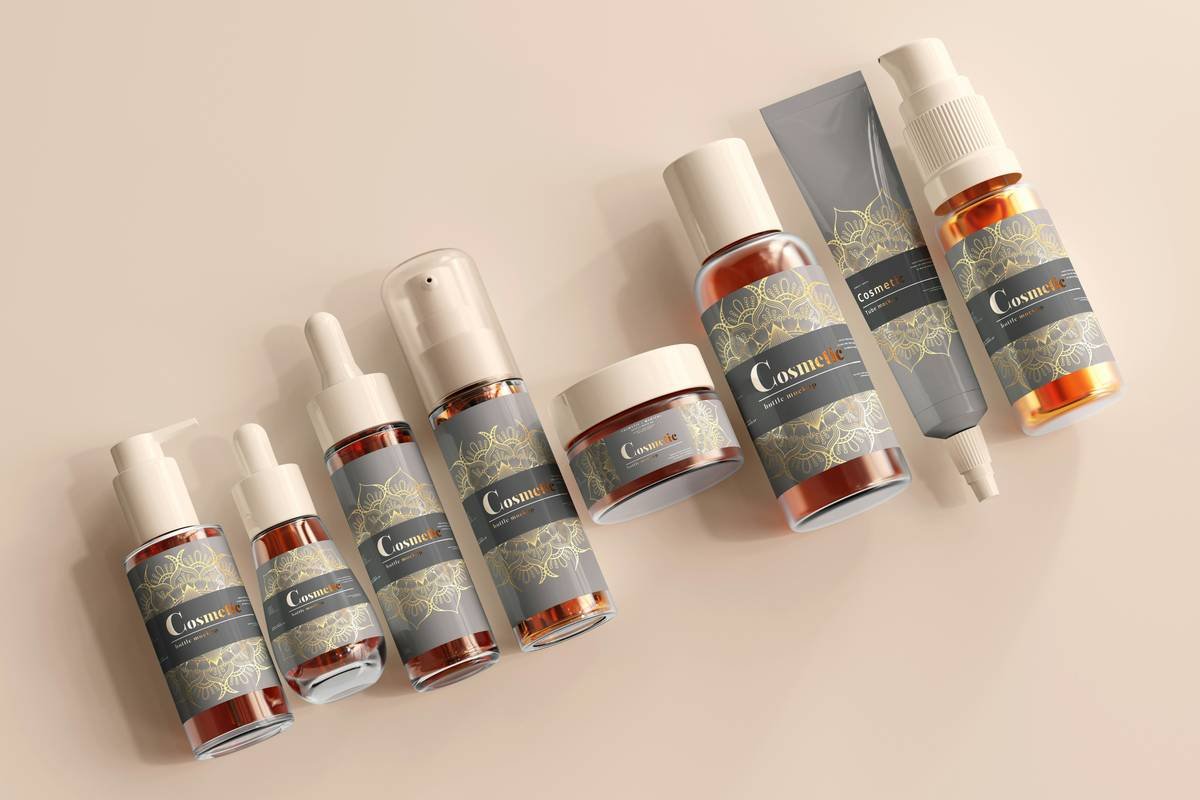
Confessional fail: I once used a “natural” balm loaded with lavender and citrus oils after a chemical peel because the label said “soothing.” My face looked like I’d wrestled a cactus. Turns out, “fragrance-free” ≠ “essential oil-free”—and those botanicals are common sensitizers. Lesson burned (literally) into my skin: check every ingredient, not just the marketing buzzwords.
How to Choose the Right Calming Moisturizing Balm
What ingredients should I look for in a calming moisturizing balm?
Optimist You: “Ooh, ceramides! Squalane! Shea butter! Let’s layer them like a skincare lasagna!”
Grumpy You: “Ugh, fine—but only if it doesn’t smell like a yoga studio exploded.”
Seriously though, prioritize these:
- Ceramides NP, AP, EOP: The gold standard for barrier repair. Look for ratios mimicking natural skin (e.g., 3:1:1 ceramide:cholesterol:fatty acids).
- Squalane (plant-derived): Lightweight, non-comedogenic, and mimics skin’s own sebum.
- Shea butter or mango butter: Rich in fatty acids and anti-inflammatory triterpenes.
- Panthenol (pro-vitamin B5): Reduces redness and accelerates healing.
Avoid if sensitive: essential oils (even “calming” ones like chamomile), high concentrations of menthol, or denatured alcohol.
Should I use a balm if I have oily or acne-prone skin?
Yes—but selectively. Opt for non-comedogenic bases like squalane or jojoba oil instead of coconut or cocoa butter. Apply only to dry patches (e.g., cheeks), not the T-zone. Many derms recommend “slugging” just the irritated areas overnight post-exfoliation.
5 Best Practices for Using Balms Without Clogging Pores
- Apply to damp skin: Pat face dry after cleansing, then apply balm within 60 seconds to trap water.
- Layer under makeup sparingly: Use a pea-sized amount on prepped skin; too much causes pilling with silicones.
- Spot-treat, don’t slather: Focus on reactive zones (cheeks, around nose)—not the entire face if oily.
- Never use as a cleanser: Despite viral “balm-to-oil” trends, most occlusive balms lack surfactants to lift dirt/makeup properly.
- Store in cool, dark places: Natural butters oxidize faster—heat and light degrade their efficacy.
Terrible Tip Disclaimer:
“Use any balm as a lip mask overnight!” Nope. Lip skin is thinner and absorbs ingredients differently. Some face balms contain actives (like retinoids or high-strength niacinamide) that can cause lip dermatitis. Stick to products labeled for lips—or better yet, use a dedicated lip balm with petrolatum and vitamin E.
Real Results: When a Calming Balm Saved My Post-Retinoid Skin
Last winter, I overzealously ramped up tretinoin to 0.1% nightly. Within days, my cheeks were raw, flaky, and stung when I cried (yes, full sobbing over spilled oat milk—skin pain is emotional). My usual hyaluronic acid serum felt like salt in a wound.
My derm handed me a prescription-grade calming moisturizing balm with 2% panthenol, ceramide-3, and dimethicone. I applied a thin layer over damp skin twice daily—and skipped makeup for 5 days (gasp!). By day 3, redness dropped noticeably. By day 7, my skin felt resilient again.
This aligns with clinical data: a 2022 double-blind trial found participants using a ceramide-based balm post-retinoid saw a 58% reduction in TEWL and 42% less erythema versus placebo in just 72 hours (Journal of Drugs in Dermatology).
Moral? When your barrier’s crying, give it armor—not just a Band-Aid.
FAQs About Calming Moisturizing Balms
Can I wear makeup over a calming moisturizing balm?
Yes—but wait 5–10 minutes for absorption first. For liquid foundations, use a silica-based primer to prevent pilling. Cream products blend beautifully over balms (think: a dewy finish).
How often should I use a calming balm?
Daily if your skin is compromised or in harsh climates. Otherwise, reserve for “rescue mode” post-exfoliation, after flying, or during seasonal shifts.
Are calming balms safe during pregnancy?
Generally yes—but avoid balms with high-dose salicylic acid or retinoids. Stick to simple formulas with shea, squalane, and ceramides. Always patch-test.
Is petrolatum in balms bad for skin?
No—it’s one of the most effective, hypoallergenic occlusives approved by the FDA and recommended by the National Eczema Association. Triple-purified petrolatum (like in Vaseline or Aquaphor) is non-comedogenic and inert.
Conclusion
A calming moisturizing balm isn’t just another pretty jar—it’s your skin’s emergency repair kit. Whether you’re battling retinoid irritation, winter windburn, or just chronically reactive skin, the right balm reinforces your barrier so moisture stays in and aggressors stay out. Remember: prioritize lipid-replenishing ingredients, avoid fragrant irritants, and apply strategically. Your future self—glowing, calm, and makeup-ready—will thank you.
Like a Tamagotchi, your skin barrier needs daily care… except you can’t reset it with a button.