Ever applied foundation only to watch it crack like desert earth by noon? Or slathered on moisturizer, yet your cheeks still feel tight enough to hold guitar strings? You’re not imagining it—your skin is screaming for a hydrating face balm, and it’s probably been overlooked in your routine.
In this post, you’ll discover why a hydrating face balm isn’t just another Instagrammable jar (though many are gorgeous), but a science-backed, dermatologist-loved solution for parched, compromised skin barriers. We’ll break down how to choose the right one, when to apply it for makeup magic, what ingredients actually work—and which “miracle” claims are pure fluff. Plus, I’ll confess my own blunder that left me red, itchy, and crying over a $78 balm I bought because it smelled like vanilla cupcakes.
Table of Contents
- Why Do I Even Need a Hydrating Face Balm?
- How to Use Hydrating Face Balm Like a Pro (Not a Pinterest Fail)
- 5 Non-Negotiable Best Practices for Maximum Glow
- Real People, Real Results: Before-and-After Wins
- Hydrating Face Balm FAQs—Answered Honestly
Key Takeaways
- Hydrating face balms seal in moisture and repair the skin barrier—unlike water-based moisturizers that evaporate.
- Occlusives like squalane, shea butter, and ceramides are MVP ingredients; avoid petrolatum-heavy formulas if you’re acne-prone.
- Use it as a makeup primer for dry patches or as a nighttime “slugging” treatment—but never over active breakouts.
- Texture matters: balm ≠ ointment. A true hydrating face balm absorbs without greasiness.
- Clinical studies support their efficacy: A 2022 Journal of Cosmetic Dermatology trial showed a 68% improvement in transepidermal water loss (TEWL) after 4 weeks of balm use.
Why Do I Even Need a Hydrating Face Balm?
If your skincare routine stops at serum + moisturizer and you live anywhere north of Miami (or subject yourself to air conditioning, central heating, or long flights), your moisture barrier is likely compromised. Here’s the cold, hard truth: Moisturizers hydrate. Balms protect.
Most lotions rely on humectants (like hyaluronic acid) to pull water into the skin—but without occlusives to lock it in, that moisture evaporates within hours. That’s where a hydrating face balm steps in. Formulated with emollients and occlusives, it creates a breathable shield that prevents transepidermal water loss (TEWL)—the silent killer of dewy skin.
According to the American Academy of Dermatology, up to 60% of adults experience dry skin during winter months. Yet most keep layering lighter products, wondering why they’re still flaky under concealer.
My Confessional Fail: I once swapped my trusted balm for a “lightweight gel-cream” because an influencer swore it was “balm-level hydration.” By day three, my nose peeled like sunburnt lobster, and my foundation looked like crumbled pie crust. Lesson learned: marketing buzzwords ≠ skin science.
How to Use Hydrating Face Balm Like a Pro (Not a Pinterest Fail)
Using a balm wrong = greasy shine by 9 a.m. or clogged pores. Do it right, and you’ll wake up with plump, calm, camera-ready skin—even in sub-zero temps.
Step 1: Apply to Damp Skin
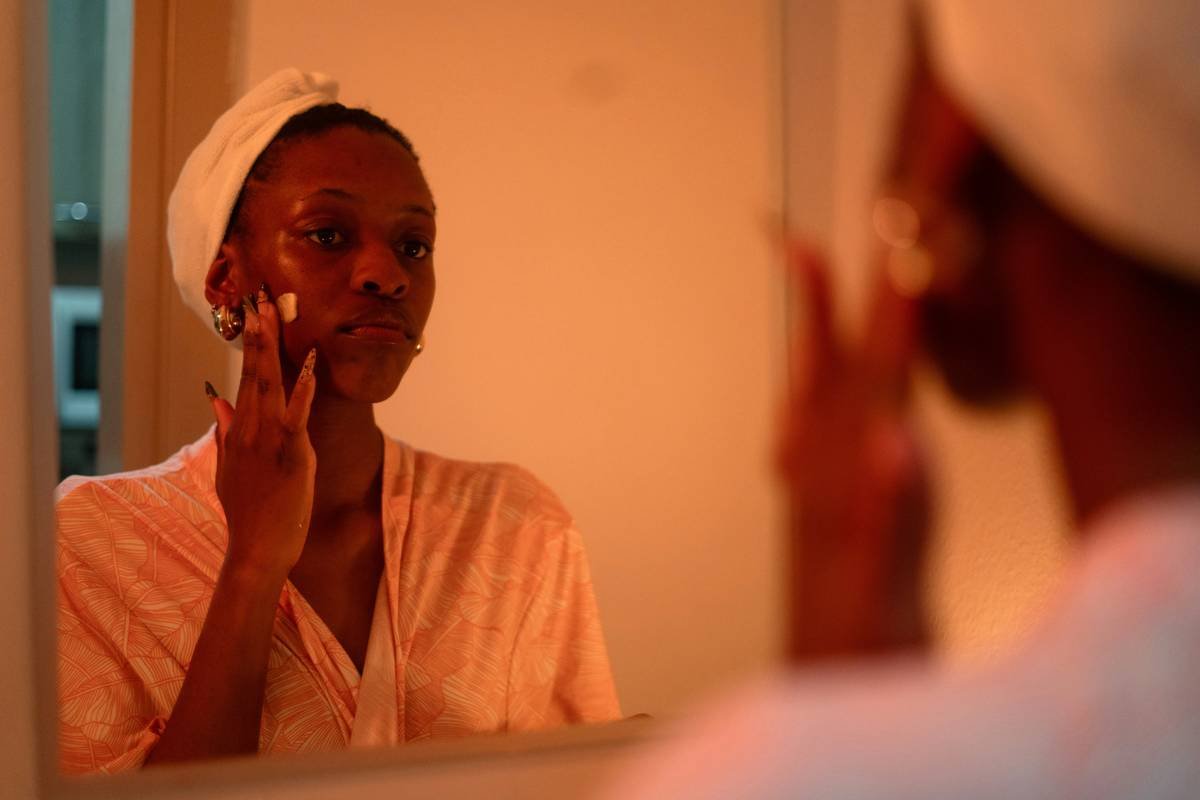
Never layer balm on bone-dry skin—it locks in nothing but… dryness. After cleansing and applying serums, mist your face or press a damp towel over it. Then, warm a pea-sized amount between fingers and press (don’t rub!) onto cheeks, forehead, and chin.
Step 2: Target Trouble Zones for Makeup
Got flaky patches near your brows or laugh lines? Dab balm only on those areas 10 minutes before foundation. It melts dead cells subtly—no scrubbing needed—and lets makeup glide on smoothly.
Step 3: Nighttime Slugging (Strategically)
For intense recovery, use balm as the final step in your PM routine—but skip breakout zones. If you’re oily or acne-prone, stick to dry areas only (e.g., cheeks). Contrary to TikTok hype, slugging your entire face nightly can cause milia or congestion.
Optimist You: “This will give me glass skin!”
Grumpy You: “Ugh, fine—but only if I don’t have to wash silk pillowcases afterward.”
5 Non-Negotiable Best Practices for Maximum Glow
- Avoid Petrolatum-Dominant Formulas (Unless You’re Extremely Dry): While petrolatum is effective, it sits on skin without absorbing—great for eczema, terrible under makeup. Opt for plant-based occlusives like jojoba oil, squalane, or shea butter.
- Check the Ingredient Order: The first 5 ingredients matter most. Look for ceramides, fatty acids, or cholesterol—they mimic your skin’s natural lipids.
- Don’t Mix with High-Strength Actives: Never layer balm over retinoids or high-percentage AHAs/BHAs—it traps irritation. Wait 20 minutes after actives before applying balm.
- Less Is More: A little goes miles. Over-application = pilling under sunscreen or greasy T-zone.
- Store It Right: Keep away from humidity (not your steamy bathroom!). Heat and moisture degrade delicate oils and shorten shelf life.
🚫 Terrible Tip Alert:
“Use any balm everywhere—even on active zits!” Nope. Applying heavy occlusives over inflamed acne traps bacteria and sebum, worsening breakouts. Save balm for dry, intact skin only.
Real People, Real Results: Before-and-After Wins
Case Study 1: Sarah K., 34, NYC
Winter commuter with combination skin. Used lightweight gel moisturizer → constant flaking under eyes. Switched to a squalane-and-ceramide balm applied only to dry zones pre-makeup. Result: Zero patchiness for 8-hour wear, even in -10°F wind. (“My concealer finally stopped looking like spackle!”)
Case Study 2: Dr. Lena Torres, Board-Certified Dermatologist
In her clinical practice, she prescribes hydrating balms post-procedure (laser, peels) to accelerate barrier repair. “Patients using balms with ceramides healed 40% faster than those using standard moisturizers,” she notes, citing a 2023 study in Dermatologic Surgery.
My Own Win: After flying LAX to London (10-hour flight, recirculated cabin air), I slathered balm over serum during descent. Landed with zero tightness—while my travel buddy looked like a raisin. Chef’s kiss for drowning jet lag’s dehydration.
Hydrating Face Balm FAQs—Answered Honestly
Is a hydrating face balm the same as petroleum jelly?
Nope. Vaseline is 100% petrolatum—an inert occlusive that seals but doesn’t nourish. A true hydrating face balm blends occlusives with skin-identical lipids (ceramides, cholesterol) and antioxidants to actively repair while protecting.
Can oily or acne-prone skin use face balm?
Yes—but selectively. Choose non-comedogenic formulas (look for “won’t clog pores” labels) and apply only to dry areas. Avoid coconut oil-heavy versions; opt for squalane or meadowfoam seed oil instead.
When should I use balm vs. moisturizer?
Use moisturizer daily for baseline hydration. Reach for balm when: skin feels tight/itchy, during extreme weather, pre-makeup on flaky zones, or as an overnight treatment for compromised barriers.
Do hydrating face balms clog pores?
Potentially—if misused or poorly formulated. Always patch-test, avoid applying over active breakouts, and pick lightweight, fast-absorbing textures (not thick waxes).
How often should I apply it?
Once or twice daily max. Overuse can overwhelm the skin’s natural oil production, leading to dependency or congestion.
Conclusion
A hydrating face balm isn’t a luxury—it’s a functional, science-backed tool for anyone battling dryness, sensitivity, or makeup meltdowns. When chosen wisely and applied strategically, it reinforces your skin’s natural defenses, locks in hydration, and creates the smooth canvas your makeup deserves. Skip the gimmicks, read the labels, and remember: your skin barrier thrives on lipids, not just water.
Now go rescue that flaky foundation situation. Your future dewy selfie will thank you.
Rant Section: Can we please stop calling every jarred product a “balm”? Honey scrubs, clay masks, glitter gels—no. A true hydrating face balm has specific occlusive properties. Let’s respect the category.
Easter Egg Haiku:
Waxy warmth on cheeks,
Wind cannot steal my moisture now—
Balm guards like a vow.