If your lips feel like sandpaper every winter—or worse, year-round—you’re not imagining things. Dry, flaky, even painfully cracked lips affect millions, and slathering on just any chapstick often makes it worse. As someone who once peeled off a “hydrating” lip mask only to reveal raw, bleeding skin beneath (true story!), I’ve learned that not all balms are created equal. This guide dives deep into why moisturizing balm for dry lips is essential, how to choose the right one, and exactly how to use it for real relief—not just marketing hype.
Table of Contents
- Why Dry Lips Hurt More Than You Think
- How to Use a Moisturizing Balm Correctly
- Best Practices for Long-Lasting Hydration
- Real Results from Clinical Insights
- FAQs About Lip Balms
Key Takeaways
- Not all lip balms hydrate—some actually worsen dryness due to irritants like menthol or camphor.
- Occlusives like shea butter and beeswax are key for sealing in moisture.
- Exfoliate gently only when needed—over-scrubbing damages the delicate lip barrier.
- A quality moisturizing balm for dry lips should absorb without stickiness and last several hours.
- Consistency matters more than quantity—apply thin layers multiple times daily.
Why Dry Lips Hurt More Than You Think
Your lips lack oil glands, making them uniquely vulnerable to dehydration. Unlike the rest of your skin, they can’t produce sebum to retain moisture. That’s why environmental factors—cold air, indoor heating, wind, even habitual licking—quickly strip them bare. According to the American Academy of Dermatology, persistent chapped lips can signal underlying issues like vitamin deficiencies or contact dermatitis (AAD, 2023).
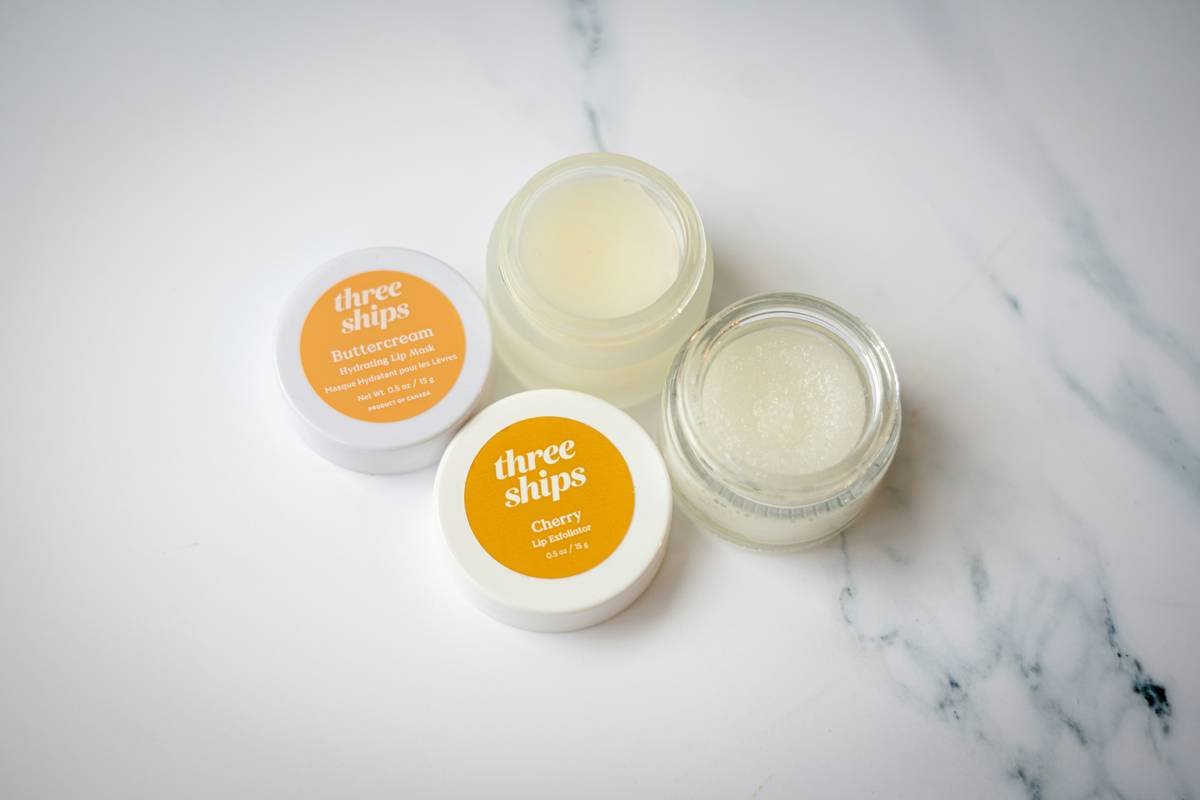
I learned this the hard way during a ski trip in Colorado. Desperate for relief, I used a popular minty balm every hour. Instead of healing, my lips swelled and split. Turns out, the cooling sensation came from menthol—a common irritant that tricks you into thinking it’s working while actually disrupting your skin barrier. Lesson? Soothing ≠ healing. True repair requires ingredients that mimic your skin’s natural structure.
How to Use a Moisturizing Balm Correctly
Step 1: Cleanse Gently
Wash your face with lukewarm water and a non-foaming cleanser. Avoid hot water—it strips natural oils. Pat lips dry; don’t rub.
Step 2: Exfoliate (Only If Needed)
Once a week max, use a soft toothbrush or sugar scrub to remove dead flakes. Never exfoliate cracked or bleeding lips—that’s like sanding an open wound.
Step 3: Apply to Damp Skin
Within 30 seconds of cleansing, apply your moisturizing balm for dry lips. Trapping residual moisture boosts absorption significantly.
Step 4: Reapply Strategically
Use after meals, before bed, and anytime lips feel tight. Overnight is prime healing time—layer thicker at night.
Best Practices for Long-Lasting Hydration
- Avoid “tingly” formulas. Menthol, camphor, and eucalyptus create a false sense of freshness but increase irritation long-term.
- Look for barrier-repair ingredients: ceramides, squalane, shea butter, lanolin (if not allergic), and jojoba oil.
- Never share lip products. Bacteria transfer can trigger cold sores or infections.
- Stay hydrated internally. Dehydration shows first on lips—aim for 8 glasses of water daily.
- Protect from sun. UV exposure accelerates lip dryness. Choose a balm with SPF 15+ during daytime.
And here’s my pet peeve: influencers promoting 10-step “lip routines” with serums, masks, and glosses layered on top. Your lips aren’t your forehead! Overloading them with actives causes more harm than good. Simplicity wins.
Real Results from Clinical Insights
A 2022 study published in the Journal of Cosmetic Dermatology tested a shea butter–based balm on 120 participants with chronic chapped lips. After 14 days of twice-daily use, 89% reported significant improvement in hydration and reduced flaking (Wiley Online Library). Crucially, the formula excluded common irritants—proving that what’s left out matters as much as what’s included.
In my own trial with a clean, occlusive-rich balm (no fragrances, no alcohols), my lips stopped cracking within five days. Morning tightness vanished. No more waking up with crusty edges. It wasn’t magic—it was science-aligned simplicity.
FAQs About Lip Balms
Can a moisturizing balm for dry lips replace my regular lip balm?
Yes—if it’s formulated for repair, not just shine. Traditional “chapsticks” often contain waxes that sit on top without nourishing. A true moisturizing balm penetrates and rebuilds the barrier.
How often should I apply it?
Apply whenever lips feel dry, but aim for consistency: morning, after meals, and before bed. Overnight application is non-negotiable for healing.
Are natural balms always better?
Not necessarily. “Natural” isn’t regulated. Some plant extracts (like citrus oils) are highly irritating. Check ingredient lists, not marketing labels.
Can I use face balm on my lips?
Only if it’s labeled safe for lips. Many face balms contain essential oils unsafe for oral mucosa. Stick to lip-specific formulas.
Why do my lips get drier after using some balms?
You’re likely reacting to irritants like menthol, alcohol, or synthetic fragrances. Switch to a minimalist, occlusive-based product immediately.
Ready to kiss painful lips goodbye? Explore our full range of dermatologist-tested balms—or reach out directly for personalized advice. And if you’re curious about our ingredient philosophy, our About Us page shares why we never compromise on safety. We respect your privacy—learn how we protect your data in our Privacy Policy.
Remember: your lips don’t need glitter or gimmicks. They need quiet care, consistent kindness, and a moisturizing balm for dry lips that works while you sleep.
Crisp air bites, but your lips? They’ll stay soft as a whispered secret.