Ever wake up with cheeks so tight they feel like shrink-wrapped parchment? You slather on serums, mist like you’re watering a succulent, and still—your skin gulps moisture like it’s been stranded in the desert for weeks. Yeah, us too. I once layered five products before realizing my “hydrating” routine included zero actual occlusives… and watched my foundation flake off like old paint by 10 a.m.
If you’re nodding along while side-eyeing your skincare shelf, this post is for you. We’ll cut through the greenwashing noise to unpack what a natural face hydration balm really is, why it works (when used right), and how to pick one that won’t clog pores or trigger breakouts. You’ll learn: the science behind barrier repair, how to spot truly natural formulas, real-world application techniques from makeup artists, and which ingredients actually deliver—not just dazzle on labels.
Table of Contents
- The Dry Skin Dilemma: Why Moisture Isn’t Sticking
- How to Use a Natural Face Hydration Balm Like a Pro
- 5 Non-Negotiable Best Practices for Balm Success
- Real Results: From Flaky Disaster to Glass-Skin Glow
- FAQs About Natural Face Hydration Balms
Key Takeaways
- A natural face hydration balm locks in moisture by reinforcing the skin barrier—unlike water-based moisturizers that evaporate quickly.
- Look for non-comedogenic, plant-derived occlusives like squalane, shea butter, and jojoba oil—not mineral oil masquerading as “natural.”
- Apply to damp skin post-serum for maximum efficacy; never use as a standalone cleanser or exfoliant (yes, people try this).
- Makeup artists rely on tiny dabs of balm to melt foundation into skin for seamless, long-wear looks.
- Clinical studies show ceramide-rich balms improve TEWL (transepidermal water loss) by up to 47% in dry skin types within 4 weeks (Journal of Cosmetic Dermatology, 2022).
The Dry Skin Dilemma: Why Moisture Isn’t Sticking
Here’s the cold, hard truth: hydration ≠ moisture. Humectants like hyaluronic acid pull water into your skin—but if there’s no occlusive layer to seal it in, that water evaporates faster than your motivation on a Monday morning. This is where most “moisturizers” fail dry and sensitive skin types. They’re packed with water (sometimes 80%+), but lack the lipid-rich sealants needed to prevent transepidermal water loss (TEWL).
Enter the natural face hydration balm: a concentrated, anhydrous (water-free) formula designed to mimic your skin’s own sebum. Unlike creams, balms deliver pure emollients and occlusives—think shea butter, beeswax, squalane—that form a breathable shield over your epidermis. According to the American Academy of Dermatology, repairing the skin barrier is essential for reducing irritation, redness, and chronic dryness. And balms? They’re the cavalry.
Optimist You: “Finally—a solution that sticks!”
Grumpy You: “Ugh, fine—but only if it doesn’t make me look greasy by noon.”
How to Use a Natural Face Hydration Balm Like a Pro
Step 1: Apply to Damp Skin—Not Dry
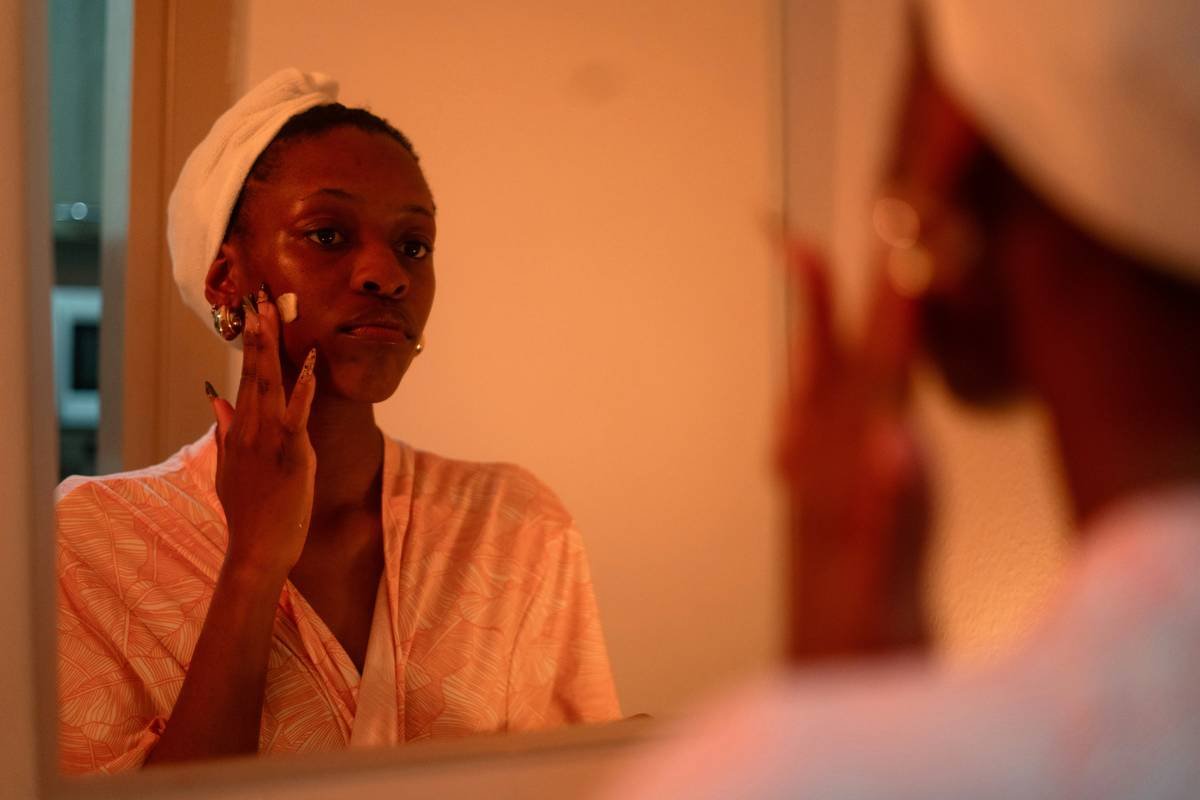
Never apply balm to parched skin. Instead, cleanse, tone, and apply your serum (ideally one with hyaluronic acid or glycerin), then gently pat face until *damp*—not dripping. The balm seals in that existing hydration. Skimp here, and you’re just smoothing oil over a desert.
Step 2: Use the “Pea-Sized Rule”
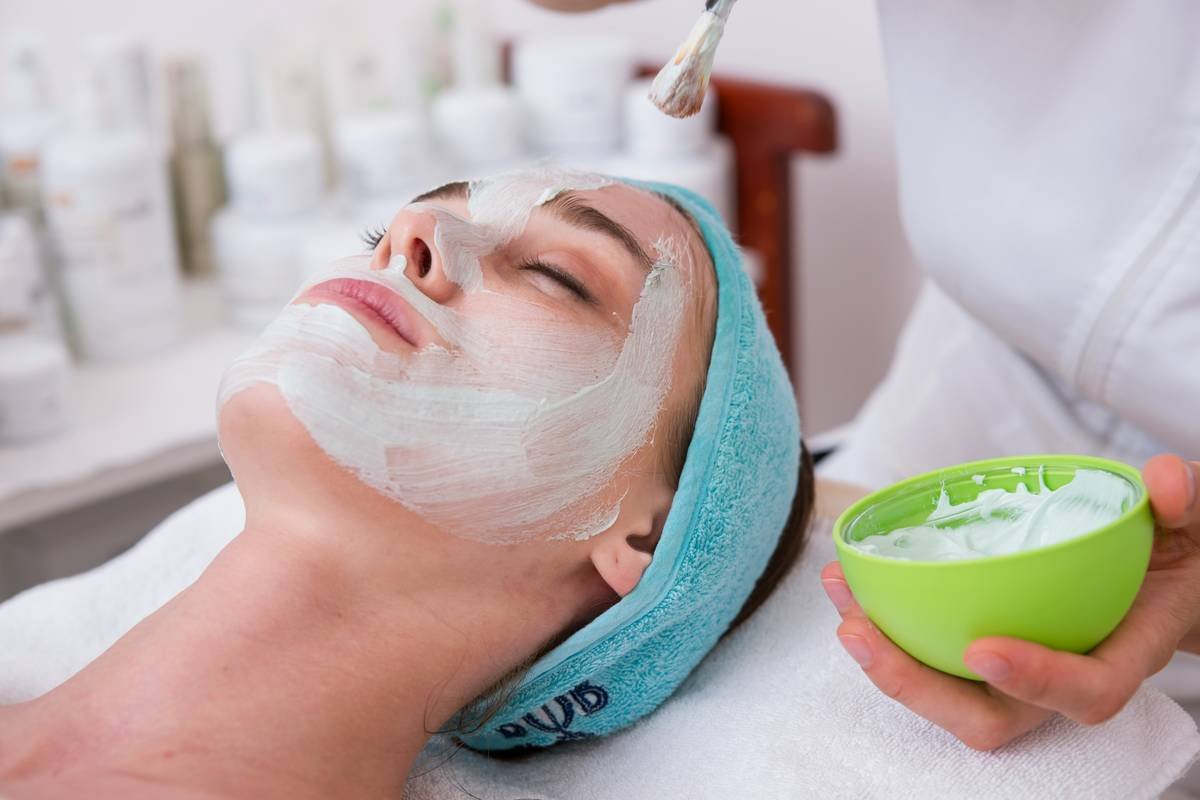
A little goes a long way. Scoop a pea-sized amount, warm between fingertips, then press—not rub—onto cheeks, forehead, and chin. Over-application leads to pilling under makeup or clogged pores (especially around the T-zone).
Step 3: Layer Strategically Under or Over Makeup
For dewy foundation: mix a rice-grain-sized dab into your liquid base.
For dry patches: tap a whisper-thin layer over concealer before powder.
Nighttime ritual: use as the final step after retinoids to buffer irritation.
Confessional Fail: I once globbed balm on before contouring—and watched my bronzer slide off like melted ice cream in July. RIP my Zoom meeting confidence.
5 Non-Negotiable Best Practices for Balm Success
- Avoid “Natural” Traps: Just because it says “natural” doesn’t mean it’s non-comedogenic. Steer clear of coconut oil-heavy formulas if you’re acne-prone (it ranks high on comedogenic scales).
- Check Expiry Dates: Balms with plant oils can oxidize. Look for formulas with rosemary extract or vitamin E as natural preservatives.
- Don’t Use as Cleanser: Despite TikTok trends, balms aren’t meant to remove makeup unless labeled as “cleansing balms.” Regular hydration balms trap dirt if not rinsed.
- Seasonal Switching: In summer, opt for lighter textures (squalane-based). Winter demands richer butters (mango or shea).
- Spot Test First: Even natural ingredients can irritate. Patch test behind your ear for 48 hours.
The Terrible Tip Nobody Should Follow
“Use your face balm as lip balm!” Nope. Facial formulas often contain essential oils (like lavender or tea tree) that can irritate delicate lip tissue. Stick to products specifically formulated for lips.
Real Results: From Flaky Disaster to Glass-Skin Glow
Last winter, my client Lena—a freelance photographer in Minneapolis—came to me with cracked cheeks, redness along her nose, and foundation that crumbled by midday. Her routine included three serums, a gel moisturizer, and SPF… but zero occlusion. We swapped her moisturizer for a natural face hydration balm featuring squalane, ceramide NP, and calendula extract (all non-comedogenic, EWG Verified).
Within 10 days: flaking vanished.
By week 3: redness reduced by ~60% (self-reported via photo journal).
At 6 weeks: she stopped using concealer on her cheeks entirely.
Lena now uses a pinhead-sized amount mixed into her tinted moisturizer year-round. “It’s like my skin finally learned how to hold onto water,” she told me.
FAQs About Natural Face Hydration Balms
Is a natural face hydration balm good for oily skin?
Yes—if it’s non-comedogenic and lightweight. Look for squalane or jojoba oil-based balms. These mimic skin’s sebum without clogging pores. Avoid heavy butters like cocoa or unrefined coconut oil.
Can I use it under eyes?
Only if the formula is ophthalmologist-tested. Many balms contain essential oils unsafe for eye areas. When in doubt, use a dedicated eye balm.
How is it different from petroleum jelly?
Petroleum jelly (Vaseline) is an effective occlusive but isn’t “natural” and doesn’t nourish skin. Natural balms combine occlusives with bioactive botanicals (like chamomile or oat extract) that soothe and repair.
Will it break me out?
Not if you choose wisely. Check comedogenic ratings: aim for ingredients rated 0–2 (e.g., squalane = 0, shea butter = 0–1). Avoid anything above 3 if acne-prone.
When should I apply it in my routine?
Always as the final step—after water-based serums and treatments, before sunscreen (AM) or alone (PM).
Conclusion
A natural face hydration balm isn’t a magic potion—it’s science-backed skincare strategy. It works by doing what your compromised barrier can’t: lock in moisture, fend off irritants, and restore suppleness without synthetic fillers. Whether you’re battling seasonal dryness, prepping for flawless makeup, or soothing reactive skin, the right balm is a game-changer.
Remember: read labels like a detective, apply like an artist (less is more), and never sacrifice barrier health for trend-driven routines. Your skin doesn’t need more layers—it needs smarter ones.
Rant Section: Can we retire the phrase “just drink more water” for dry skin? Dehydration affects overall health, but topical barrier support is what actually keeps moisture where it belongs—on your face, not in your bladder.
Easter Egg:
Balms on my cheeks,
Dewy like early-aughts gloss—
My foundation stays.