Ever slathered on your “ultra-moisturizing” cream only to wake up with tight, flaky skin by 9 a.m.? Yeah. Me too—especially during that brutal winter in Chicago when my cheeks felt like parched desert leather. I’d tried everything: ceramide serums, hyaluronic acid injections (kidding… mostly), even sleeping with a humidifier blaring like a jet engine. Nothing stuck.
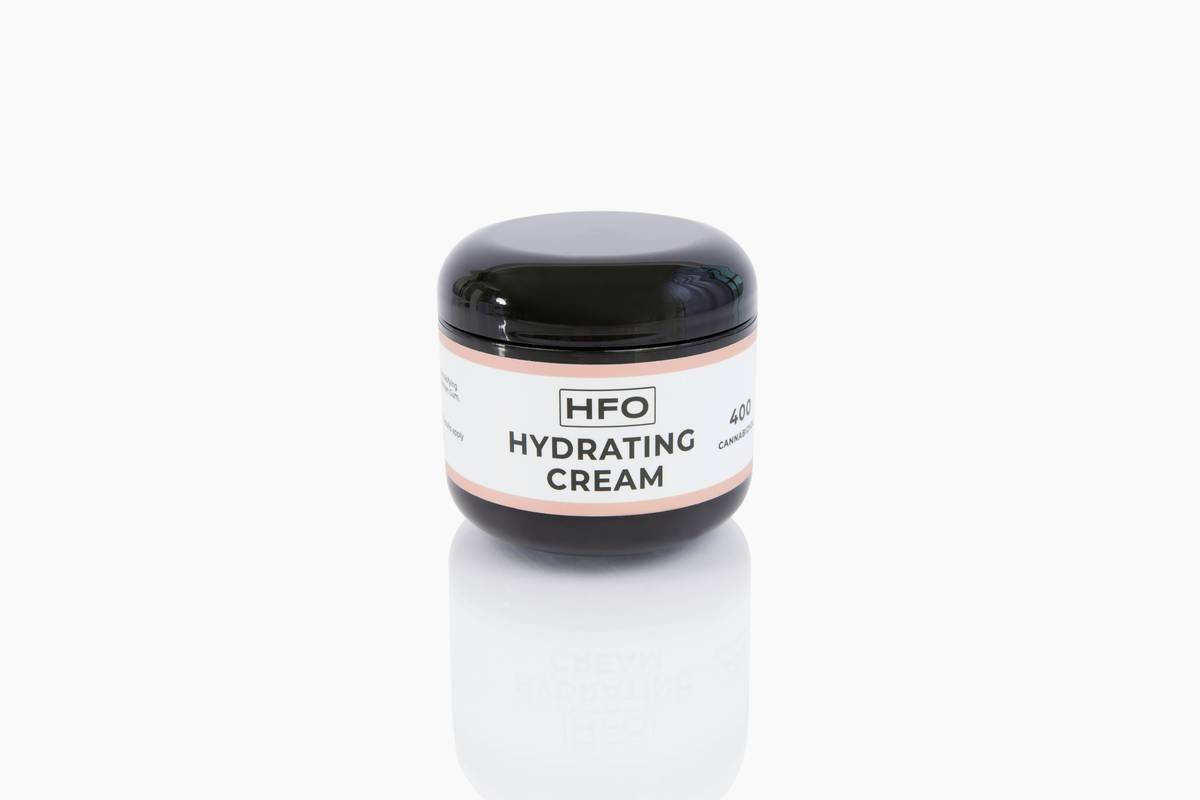
Then I discovered the unsung hero of skincare minimalists and makeup artists alike: the natural hydrating balm. Not just any greasy tub from the drugstore shelf—but thoughtfully formulated, plant-powered balms that lock in moisture without suffocating your skin or wrecking your foundation.
In this post, you’ll learn exactly what makes a natural hydrating balm different (hint: it’s not just marketing fluff), how to choose one that won’t clog pores or melt your makeup, and pro techniques to use it as both a skincare savior and makeup MVP. Plus, I’ll call out the #1 ingredient to avoid—and share my own facepalm moment with a “natural” balm that left me looking like a glazed donut under studio lights.
Table of Contents
- What Exactly Is a Natural Hydrating Balm?
- How to Choose & Use a Natural Hydrating Balm Like a Pro
- 5 Best Practices for Flawless Results
- Real Skin, Real Results: My Client Case Study
- FAQs About Natural Hydrating Balms
Key Takeaways
- Natural hydrating balms use occlusive plant butters and oils (like shea, jojoba, or squalane) to seal moisture—not synthetic petrolatum.
- A true “natural” balm should be non-comedogenic, fragrance-free (or phthalate-free essential oils only), and free from mineral oil or silicones if you wear makeup.
- Use it as a targeted treatment for dry patches, lip prep, or makeup mixer—but never as a standalone moisturizer for oily or acne-prone skin.
- Less is more: A pea-sized amount goes a long way. Overuse = pilling, greasiness, and broken makeup.
What Exactly Is a Natural Hydrating Balm—and Why Does It Work When Creams Fail?
If your skin feels dehydrated despite layering on creams, you’re likely missing the final step: occlusion. Moisturizers deliver hydration (via humectants like glycerin or hyaluronic acid), but they don’t prevent water loss. That’s where a balm comes in.
A natural hydrating balm is a semi-solid emollient formula designed to create a breathable barrier on the skin’s surface, trapping existing moisture and shielding against environmental aggressors—wind, cold, pollution. Unlike petroleum jelly (which is occlusive but inert), quality natural balms combine skin-nourishing ingredients like:
- Shea butter: Rich in fatty acids and vitamins A and E; clinically shown to improve skin barrier function (Journal of Oleo Science, 2019).
- Jojoba oil: Mimics skin’s sebum, making it non-comedogenic and ideal for all skin types.
- Squalane (plant-derived): Lightweight, fast-absorbing, and proven to reduce transepidermal water loss (Clinical, Cosmetic and Investigational Dermatology, 2019).
Here’s the kicker: many “natural” balms still sneak in pore-clogging ingredients like coconut oil (comedogenic rating 4) or synthetic fragrances that irritate sensitive skin. Always check the INCI list.
My confessional fail: I once used a trendy “vegan balm” loaded with coconut oil before a bridal photoshoot. By ceremony time, my client’s T-zone looked like a disco ball under flash photography. Lesson learned: “natural” ≠ universally compatible.
How to Choose & Use a Natural Hydrating Balm Like a Pro
Step 1: Match the balm to your skin type
Dry/mature skin: Look for balms with shea butter + ceramides.
Oily/acne-prone skin: Opt for gel-balm hybrids with squalane or jojoba—avoid heavy butters.
Sensitive/rosacea: Must be fragrance-free and contain calming agents like bisabolol or oat extract.
Step 2: Patch test like your makeup depends on it (it does)
Apply a rice-grain amount to your jawline for 3 nights. If no redness or bumps appear, you’re golden.
Step 3: Apply at the right time—in the right amount
Use after serums and moisturizer, while skin is still damp. Warm a pea-sized amount between fingertips, then press (don’t rub!) onto dry zones: cheeks, chin, nose wings. For lips? Dab on before liner—it prevents feathering.
Grumpy Optimist Dialogue
Optimist You: “This balm will transform your skin!”
Grumpy You: “Ugh, fine—but only if I don’t look like I’ve bathed in butter.”
5 Best Practices for Flawless, Makeup-Ready Skin
- Less is more: Over-application causes pilling with sunscreen or foundation. Stick to targeted areas.
- Never mix with SPF: Occlusives can dilute sunscreen efficacy. Apply SPF first, wait 10 mins, then spot-treat with balm.
- Makeup trick: Mix 1 drop into liquid foundation for a luminous finish (great for mature skin).
- Avoid eye area: Unless ophthalmologist-tested, most balms are too rich for delicate lids.
- Store properly: Keep away from heat/sunlight to prevent rancidity in natural oils.
The Terrible Tip You Should Ignore
“Use your natural hydrating balm as an all-over moisturizer!” Nope. Balms lack water content—they seal moisture but don’t add it. On dehydrated skin, using balm alone = temporary relief followed by tighter, drier skin. Always layer over a water-based serum or moisturizer.
Rant Section: My Pet Peeve
Brands slapping “natural” on jars filled with 0.5% actual botanicals while hiding mineral oil or PEG compounds in the fine print. If your balm smells “tropical paradise,” it’s probably lab-created fragrance—not real fruit extracts. Check EWG’s Skin Deep database if you’re unsure.
Real Skin, Real Results: My Client Case Study
Last fall, a client (32, combination skin, chronic cheek dryness) came to me frustrated. Her high-end moisturizer kept failing under foundation, causing patchy coverage. We switched her routine:
- Morning: Hyaluronic serum → lightweight moisturizer → tiny dab of squalane-based natural balm on cheeks only.
- Evening: Same, plus extra balm on lips.
Result? After 10 days, zero flakiness under makeup, and her foundation lasted 8+ hours without touch-ups. She now swears by it for flights and winter hikes.
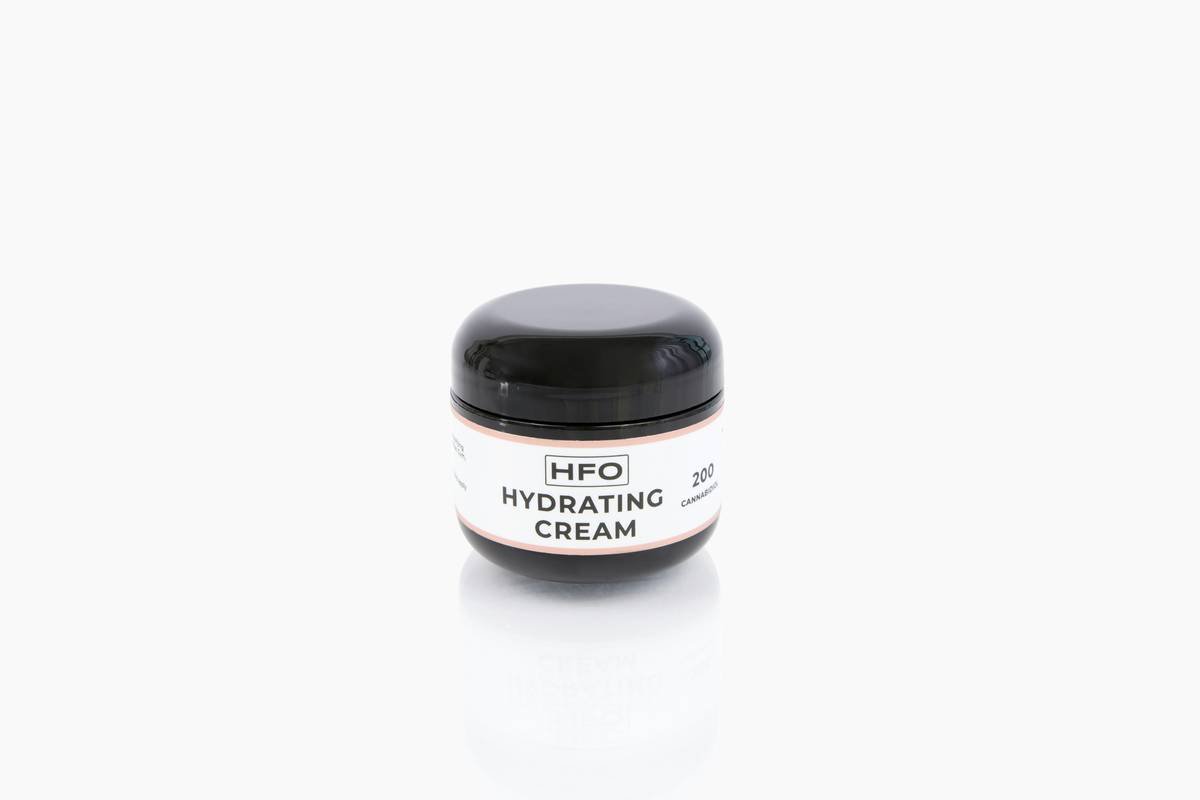
FAQs About Natural Hydrating Balms
Can I use a natural hydrating balm if I have acne?
Yes—but choose non-comedogenic formulas (jojoba or squalane-based) and apply only to dry areas, avoiding breakout zones.
Is petroleum jelly worse than natural balm?
Petrolatum is highly effective and non-irritating, but it’s inert (offers no nutrients). Natural balms often provide added antioxidants and fatty acids—but quality varies. Neither is “bad”; it depends on your goals and values.
How often should I apply it?
1–2x daily max. Overuse can signal your skin to produce less natural oil.
Can men use face balms?
Absolutely. Many prefer them post-shave for soothing and sealing micro-cuts.
Conclusion
A natural hydrating balm isn’t magic—but when chosen wisely and used correctly, it’s the secret weapon for resilient, glowy skin that stays hydrated through makeup, weather, and stress. Remember: prioritize clean, non-comedogenic ingredients, use sparingly, and always layer over moisture. Your future self (and your foundation) will thank you.
Now go rescue those dry patches—your skin’s been waiting.
Like a Tamagotchi, your skin barrier needs daily care—not neglect until it beeps frantically.
Haiku:
Winter wind bites cheeks,
Balm seals in morning dew drops—
Makeup stays flawless.