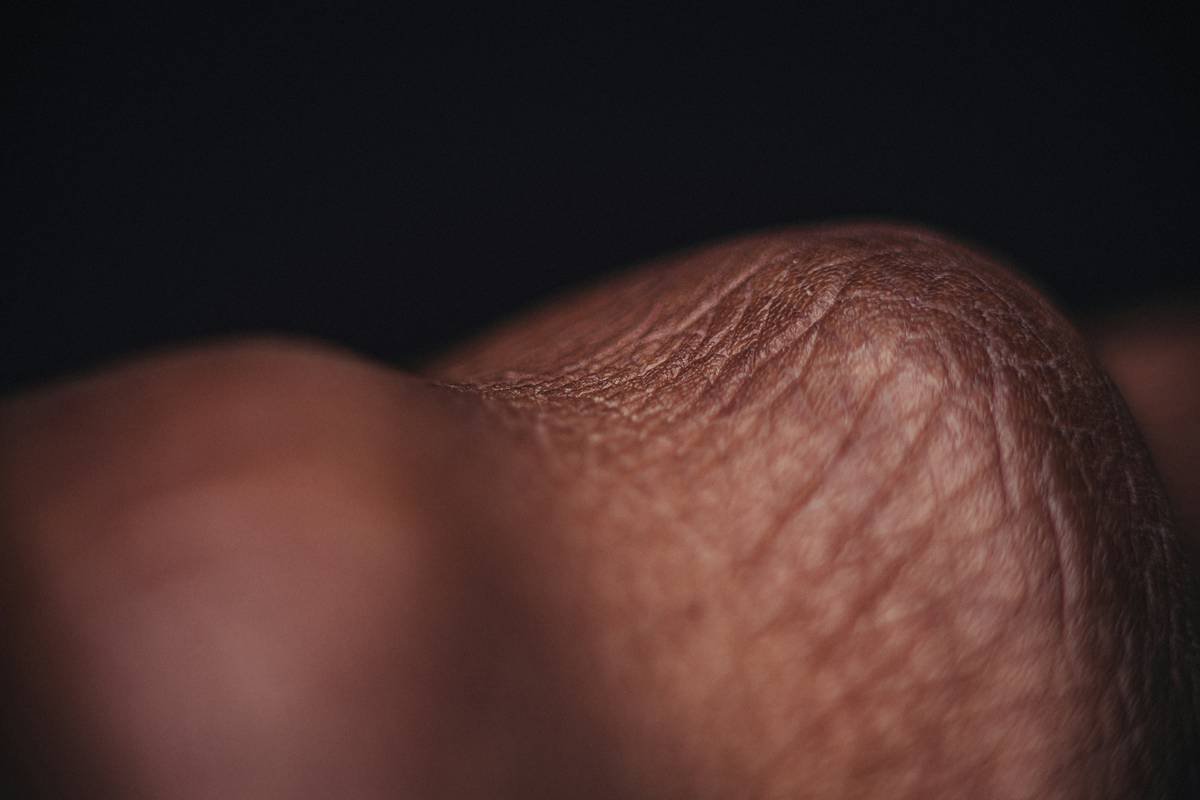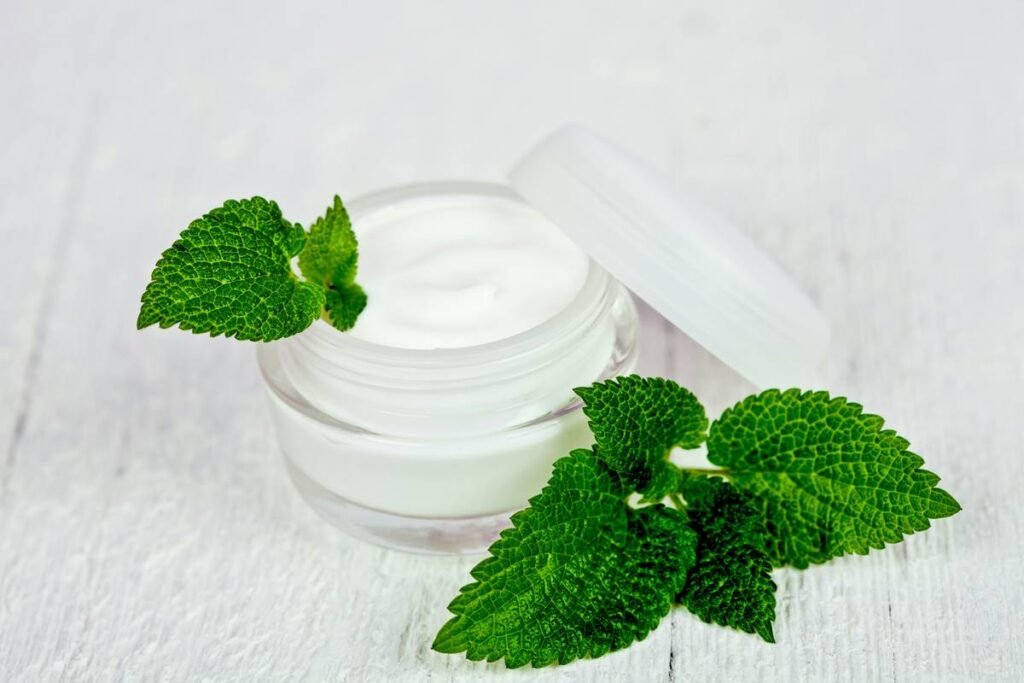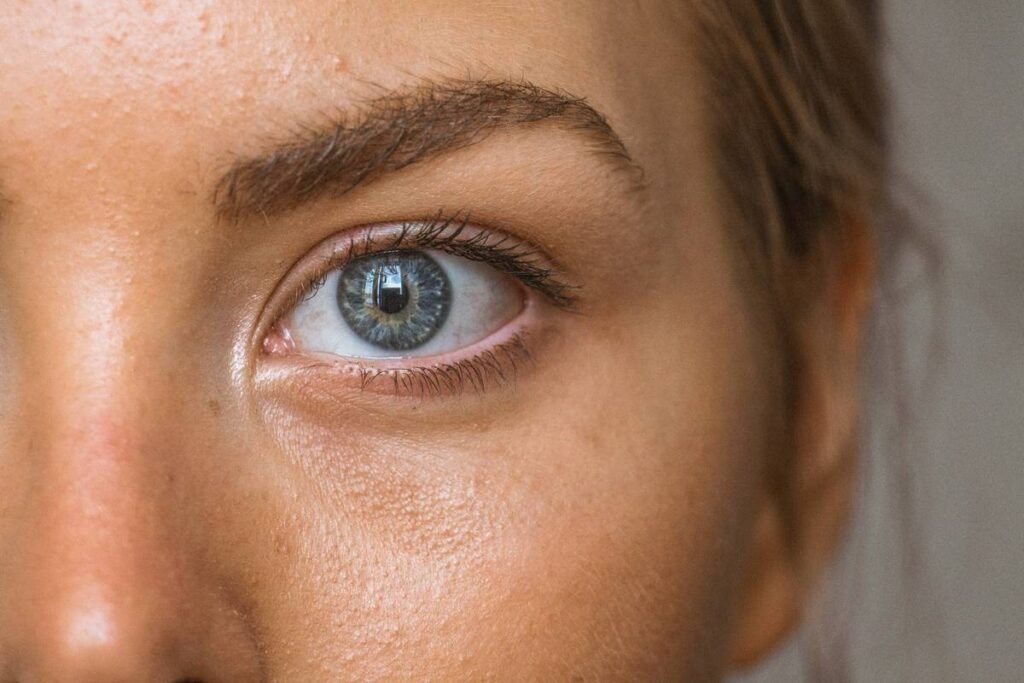
Dry, flaky skin doesn’t just look dull—it feels tight, itchy, and prematurely aged. You’ve slathered on creams, serums, even oils. Nothing sticks. The truth? Lightweight lotions evaporate before they can truly heal. But a moisturizing balm with shea? That’s your skin’s missing armor.
The Core Problem: Why Standard Moisturizers Fail in Extreme Dryness
Most moisturizers are water-based. Great for normal days. Useless in winter wind, desert air, or post-exfoliation recovery. They hydrate—but don’t occlude. Without a barrier, moisture escapes faster than it enters.
Shea butter alone isn’t enough if it’s diluted to 5% in a gel-cream hybrid. And here’s the kicker: many “natural” balms load up on waxes that sit *on* the skin—not *in* it.
How to Choose and Use a Moisturizing Balm with Shea That Actually Works
Look Beyond the Label: The 30% Rule
If shea butter isn’t in the top three ingredients—or better yet, listed as *Butyrospermum Parkii (Shea) Butter* without modifiers—you’re getting filler. True efficacy starts at 30% concentration.
Application Timing Matters More Than You Think
Apply to damp skin—never dry. Pat face gently after cleansing, leave it glistening, then seal with balm. This traps existing hydration instead of just coating dead surface cells.
Avoid These Common Layering Mistakes
Don’t layer under sunscreen or makeup unless the balm fully absorbs in under two minutes. Otherwise, you’ll get pilling. And never mix with high-percentage acids—they destabilize the lipid matrix.
| Balm Type | Shea Concentration | Best For | Potential Drawback |
|---|---|---|---|
| Drugstore Stick Balms | 5–10% | Quick lip touch-ups | Too waxy for facial use |
| Luxury Facial Balms | 20–30% | Night recovery, dry patches | Pricier, may clog pores if overused |
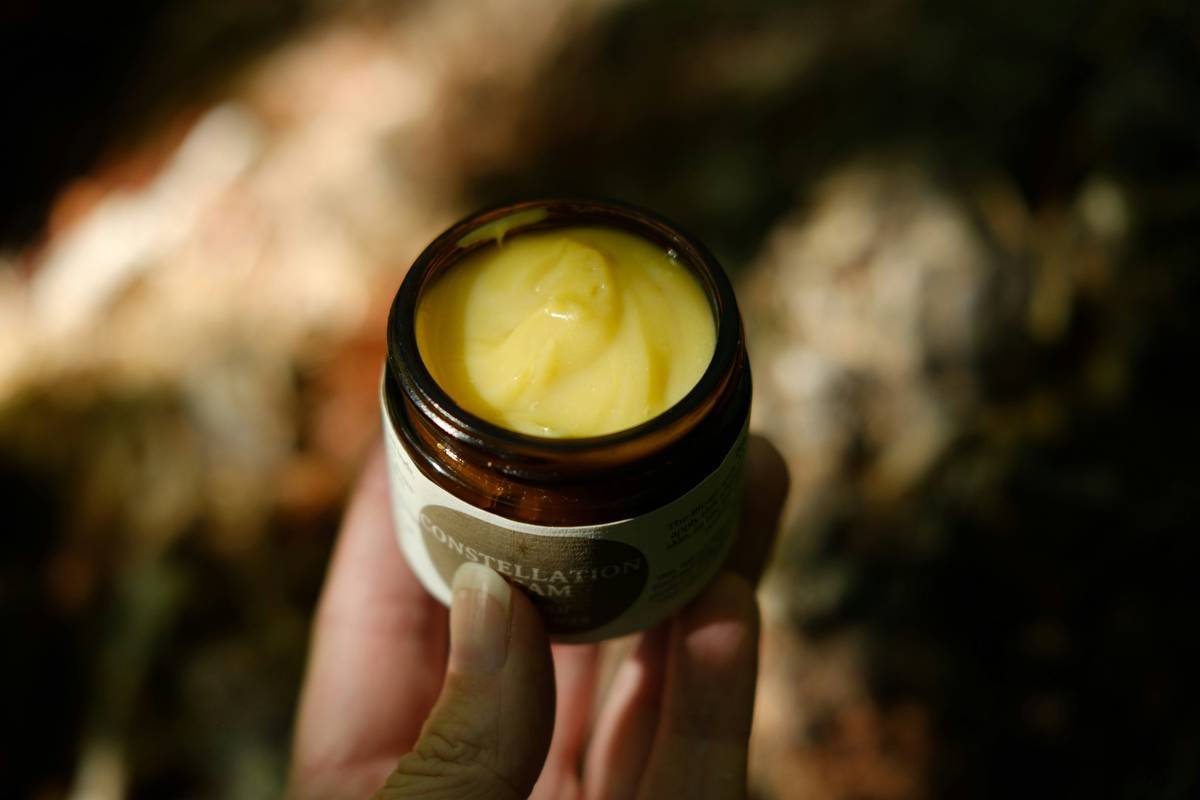
| Crafted Artisan Balms (like ours) | 35–45% | Barrier repair, climate stress | Requires fingertip warming for smooth application |
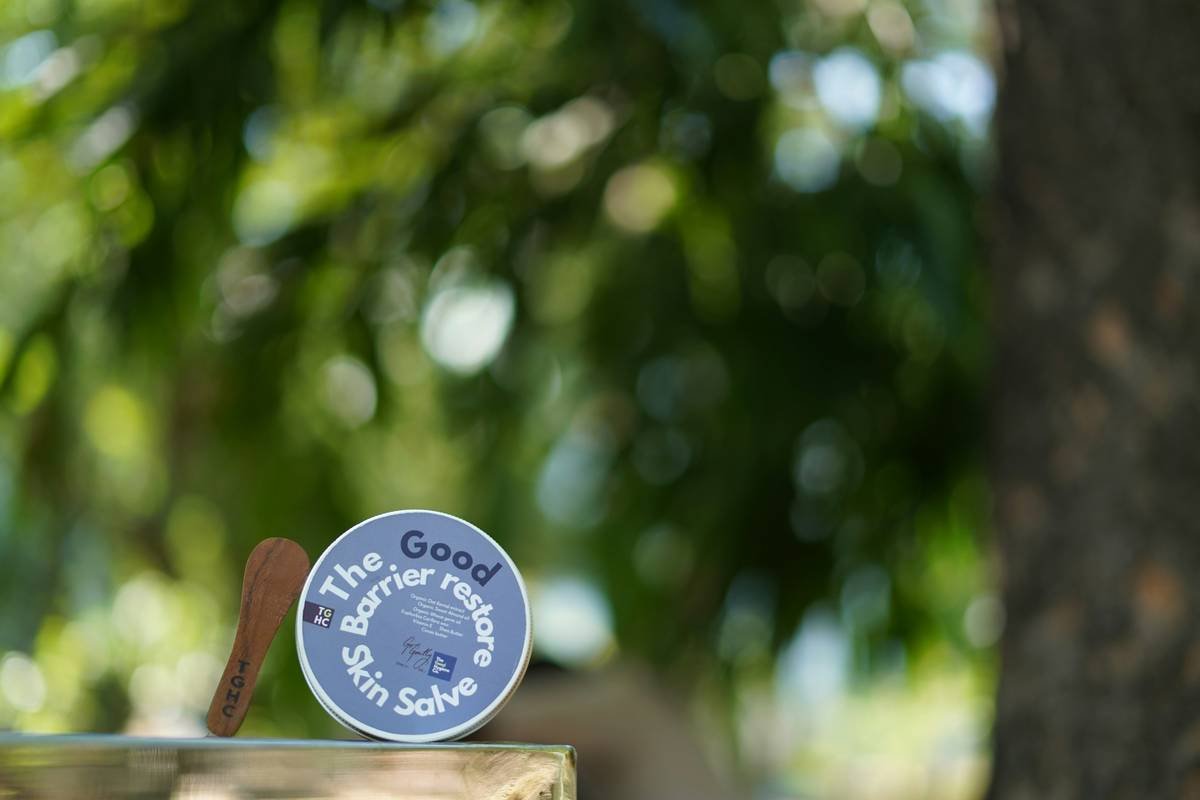
The Industry Secret: Cold-Processed Shea Retains More Healing Compounds
Here’s what brands won’t admit: heat-refined shea loses up to 60% of its allantoin, triterpenes, and cinnamic acid—the very molecules that reduce redness and stimulate collagen. But cold-processed, unrefined shea? It’s closer to raw botanical medicine.
And while big labs pasteurize for shelf life, small-batch artisans (like Melinda’s World) keep temperatures under 104°F—preserving actives most consumers never knew existed. That’s why our balm smells faintly nutty, not chalky. Because it’s alive.
Think about it: would you drink pasteurized orange juice for vitamin C—or fresh-squeezed?
Frequently Asked Questions
Can I use a moisturizing balm with shea if I have oily skin?
Yes—but sparingly. Target only dehydrated zones (like cheeks), not the T-zone. A pea-sized amount melts into a non-greasy film when applied correctly.
How is this different from a face oil?
Oils hydrate but don’t seal. A balm creates an occlusive layer that locks in everything beneath it—water, serums, even your skin’s natural moisture.
Is unrefined shea safe for sensitive skin?
Absolutely. In fact, its anti-inflammatory properties soothe eczema and rosacea. Just ensure no added fragrance or essential oils if you’re highly reactive.